
Circuit Training can be one of the simplest ways to get full-body results when your schedule, motivation, or gym access feels inconsistent.
If you’ve ever bounced between “all cardio” weeks and “all lifting” weeks, circuits solve a practical problem: you can train strength and conditioning in one session without overthinking the plan.
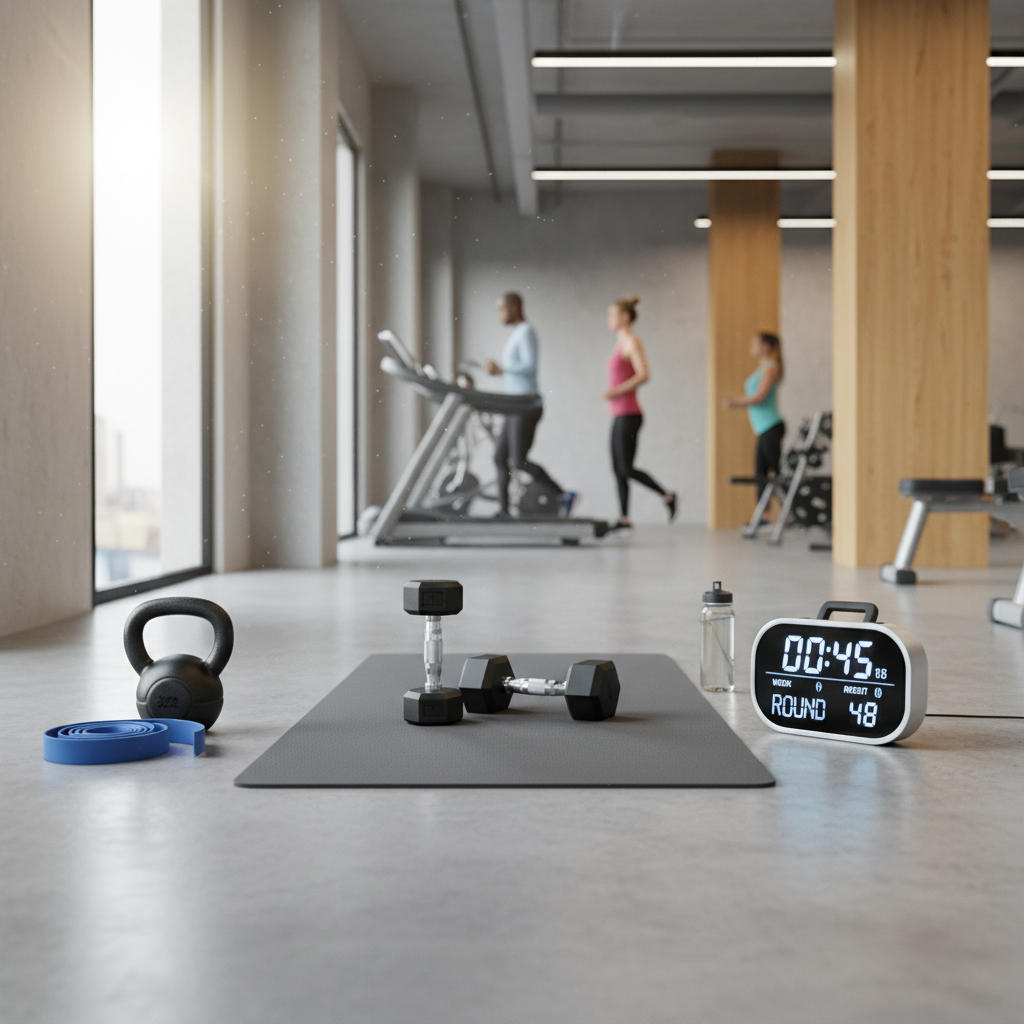
There’s also a common misconception worth clearing up: circuits are not automatically “HIIT” and they’re not automatically “easy.” You choose the intensity, rest, and exercise style, which is why they work for beginners, busy parents, and serious athletes alike.
According to the American College of Sports Medicine (ACSM)... people tend to stick with programs that feel time-efficient and manageable, and that’s the real superpower here. This guide walks you through how to structure a full-body circuit, how to scale it, and how to avoid the mistakes that make people quit.
What Circuit Training Really Is (and What It Isn’t)
At its core, circuit training means you move through a sequence of exercises, usually covering different muscle groups, with limited rest. You can repeat that sequence for multiple rounds.
- It is: a format (a way to organize your workout).
- It isn’t: one specific workout, one intensity, or only bodyweight moves.
Two common formats you’ll see in the U.S.:
- Time-based (e.g., 40 seconds work, 20 seconds rest): great for conditioning and consistency.
- Rep-based (e.g., 10–12 reps each): great when strength quality matters more than speed.
Why Full-Body Circuits Work So Well
Most people want three things: look better, feel stronger, and not spend their life in the gym. Full-body circuits tend to hit that sweet spot because you train large muscle groups frequently without needing complicated splits.
- Efficient stimulus: you get more “work per minute,” especially with smart rest periods.
- Balanced training: a good circuit naturally includes squat/hinge/push/pull/core and keeps you honest.
- Adaptable load: dumbbells, bands, machines, bodyweight, even a hotel room can work.
According to the Centers for Disease Control and Prevention (CDC)... adults benefit from both aerobic activity and muscle-strengthening activity each week, and circuits can cover both depending on how you build them.
Quick Self-Check: Is Circuit Training a Good Fit for You?
If you want a fast “yes/no,” use this checklist. You’re typically a good candidate if most of these are true.
- You can commit to 20–45 minutes, 2–4 times per week.
- You prefer simple structure over complicated programming.
- You’re okay starting with moderate weights and progressing over time.
- You want a mix of strength and cardio without separate sessions.
You may need extra planning (or a coach’s eyes) if you check any of these:
- Current joint pain, recent injury, or dizziness during exertion.
- Very specific goals like a powerlifting peak, marathon build, or post-surgery rehab.
How to Build a Full-Body Circuit (Simple Rules That Actually Hold Up)
Here’s the structure that tends to work in real life: 5–8 exercises, alternating muscle groups, with a clear intensity target.

1) Choose movement patterns before choosing “cool exercises”
- Squat: goblet squat, split squat, leg press
- Hinge: Romanian deadlift, hip thrust, kettlebell deadlift
- Push: push-up, dumbbell bench, overhead press
- Pull: dumbbell row, cable row, lat pulldown
- Core/carry: plank, dead bug, farmer carry
When your circuit covers these, you’re less likely to overtrain shoulders, skip legs, or create that “my back hurts but I don’t know why” situation.
2) Set intensity with one practical cue
Use a simple effort check: you should finish most sets with 1–3 reps in reserve (meaning you could do a couple more with good form). If you’re gasping and form collapses, it’s probably too aggressive for strength-focused days.
3) Use rest like a tool, not a punishment
- Strength-leaning circuit: 30–75 seconds between stations, a bit more between rounds.
- Conditioning-leaning circuit: shorter rests, but keep exercise selection safer (avoid sloppy heavy hinges).
According to the National Strength and Conditioning Association (NSCA)... rest intervals and load choices influence whether training emphasizes strength, hypertrophy, or endurance, so your “circuit” can be very different depending on these dials.
3 Sample Full-Body Circuit Workouts (Beginner to Advanced)
Use these as templates, not rigid rules. If anything causes pain beyond normal training discomfort, stop and consider consulting a qualified professional.
Beginner (Bodyweight + light dumbbells, 25–30 minutes)
- Chair squat or goblet squat: 10 reps
- Incline push-ups: 8–12 reps
- Dumbbell row: 10 reps each side
- Glute bridge: 12–15 reps
- Dead bug: 8 reps each side
Do 2–3 rounds. Rest 45–75 seconds between moves as needed, your breathing should settle enough to keep form clean.
Intermediate (Gym or home, 35–45 minutes)
- Goblet squat: 10–12 reps
- Dumbbell bench press: 8–12 reps
- Romanian deadlift: 8–10 reps
- Lat pulldown or band pulldown: 10–12 reps
- Farmer carry: 30–45 seconds
- Bike/rower: 60 seconds moderate-hard
Do 3 rounds. Keep 1–2 reps in reserve on strength moves, treat the conditioning station as a controlled push, not a sprint.
Advanced (Strength + conditioning emphasis, 40–55 minutes)
- Front squat or heavy goblet squat: 6–8 reps
- Pull-ups or heavy row: 6–10 reps
- Overhead press: 6–10 reps
- Kettlebell swing (moderate): 12–15 reps
- Sled push or assault bike: 20–30 seconds hard
- Side plank: 30–45 seconds each side
Do 3–4 rounds with more rest where you need it. A strong circuit can still be “smart,” not chaotic.
Practical Progression: How to Get Better Without Burning Out
The biggest win with Circuit Training is consistency, and consistency usually comes from progression that feels doable. Pick one variable to improve at a time.
- Add reps (e.g., 8 → 10) while keeping the same weight.
- Add load in small jumps once reps feel solid.
- Add a round (2 rounds → 3 rounds) if recovery stays good.
- Trim rest slightly, but only if form holds.
Key takeaway: if everything gets harder at once, it’s not “toughness,” it’s messy programming.
Planning Table: Pick the Circuit Style That Matches Your Goal
This table helps you choose a format quickly, especially if you’re rotating goals across seasons.
| Goal | Best Circuit Style | Work/Rest Guide | Notes |
|---|---|---|---|
| Fat loss support | Mixed strength + moderate conditioning | 30–45s work, 15–45s rest | Nutrition and sleep still drive most outcomes |
| Muscle building | Rep-based, heavier lifts | 8–12 reps, 45–90s rest | Don’t rush hinges and presses |
| General fitness | Time-based full-body | 40s on, 20s off | Rotate exercises to avoid overuse |
| Athletic conditioning | Intervals + power-safe moves | 20–30s hard, 60–90s easy | Quality beats “gassed” reps |
Common Mistakes (What Usually Makes Circuits Stop Working)
- All legs, no pulling: knees and low back often complain when balance disappears.
- Too much fatigue, too soon: if every station feels like a test, you’ll plateau or bail.
- Dangerous pairings: heavy deadlifts right after all-out cardio tends to degrade technique.
- Tracking nothing: even a simple note like weights used and rounds completed keeps progress honest.

When to Get Professional Help (and What to Ask For)
If you’re unsure about technique, pain signals, or appropriate intensity, getting input early can save months of frustration. A qualified personal trainer, physical therapist, or sports medicine clinician may be appropriate depending on your situation.
- If pain shows up during squats/hinges, ask for a movement assessment and regressions.
- If you have hypertension, diabetes, or heart-related concerns, it’s reasonable to consult a healthcare professional before pushing intensity.
- If you keep stalling, ask a coach to review exercise order, loading, and weekly volume, not just “motivation.”
Conclusion: A Simple Circuit You’ll Repeat Beats a Perfect Plan You Won’t
Circuit Training works best when it’s built around solid movement patterns, realistic rest, and gradual progression, not when it tries to be a highlight reel. Pick a circuit template from above, run it for 3–4 weeks, track a couple numbers, and adjust one variable at a time.
If you want a clean starting point, choose the beginner or intermediate circuit, schedule it 3 days per week, and keep the first week intentionally conservative, you should finish feeling like you could do a little more.
FAQ
Is circuit training good for full-body fitness?
Yes, in many cases it’s a practical way to train multiple muscle groups plus conditioning in one session. The key is exercise selection and pacing, not simply moving fast.
How long should a Circuit Training workout be?
Most people do well with 20–45 minutes, including warm-up. Longer can work, but quality often drops if rest gets too short or loads get too heavy late in the session.
Can I do circuit training every day?
Some people can if intensity stays low and exercise stress rotates, but daily hard circuits often catch up with recovery. A common approach is 2–4 sessions weekly with lighter activity in between.
Is circuit training better than traditional weightlifting?
It depends on the goal. For maximizing strength on big lifts, traditional programming usually fits better. For general fitness and time efficiency, circuits are hard to beat.
What equipment do I need for a full-body circuit?
You can do an effective session with bodyweight and a band, but adjustable dumbbells or a kettlebell make progression easier. In a gym, cables and machines can also be joint-friendly options.
How do I know if I’m going too hard?
If form breaks down, you feel sharp pain, or your performance drops sharply across rounds, back off. A steadier target is finishing most sets with 1–3 reps left and keeping breathing recoverable.
Should I warm up before a circuit?
Usually yes. A quick warm-up that elevates heart rate and rehearses the first 1–2 movements with light effort can reduce injury risk and makes the first round feel less abrupt.
If you’re trying to make Circuit Training stick, a simple plan you can repeat matters more than a complicated routine you constantly tweak. If you want, share your available equipment and weekly schedule, and I can help outline a circuit structure that matches your level and recovery.