
Best bike water bottle insulated choices usually come down to one thing: how long your drink stays cold without the bottle rattling, leaking, or turning into a cleaning project after every ride.
If you ride in real heat, do long gravel days, or just hate warm water, an insulated bottle can feel like a small upgrade that changes everything. But “insulated” on a label can mean wildly different performance, and some bottles that chill well are annoying in a cage or awkward to squeeze.
This guide breaks down what actually matters for cyclists in the U.S., how to pick the right insulation and capacity, what to look for in a nozzle, and where people most often waste money. There’s also a comparison table you can screenshot before you shop.
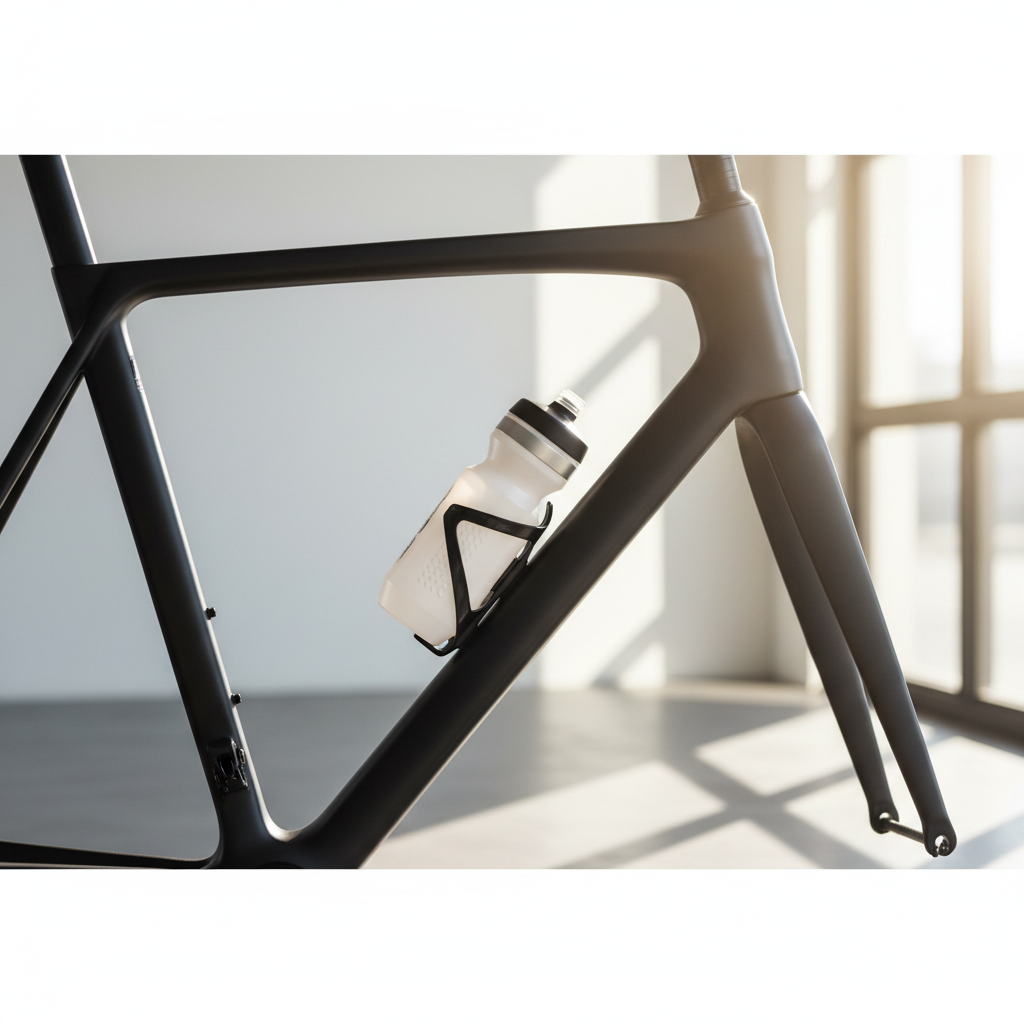
What “insulated” means for bike bottles (and why it feels confusing)
In cycling, insulation usually means one of two builds, and they behave differently on the road.
- Double-wall plastic with an air gap: Common in squeeze bottles, light, cage-friendly, moderate cold retention.
- Vacuum-insulated stainless steel: Much stronger temperature control, often heavier, sometimes tighter fit in cages, may not be squeezable.
Here’s the practical reality: if you want easy squeezing mid-ride, you’ll likely end up with a double-wall plastic option. If your top priority is “still cold after an hour in direct sun,” stainless vacuum bottles tend to win, but they can change how you drink on the bike.
According to Centers for Disease Control and Prevention (CDC)... staying hydrated supports normal body function and heat safety, but your exact needs vary by effort, conditions, and personal health, so if you have a medical condition or take medications that affect hydration, it’s smart to check with a clinician.
Quick comparison table: pick the right bottle type for your riding
If you’re deciding fast, start here. Think of it as matching bottle “behavior” to your ride style, not chasing a single winner.
| Rider scenario | Best bottle build | Why it works | Tradeoffs |
|---|---|---|---|
| Hot road rides, frequent drinking | Double-wall squeeze plastic | One-hand squeeze, fast flow, easy cage fit | Cold retention often limited in peak heat |
| Long gravel days, water gets warm fast | Vacuum stainless | Best temperature hold, tough build | Heavier, may rattle or fit tight, usually not squeezable |
| Commuting, errands, mixed stops | Either type, prioritize leakproof cap | Bag-friendly, car-cupholder friendly | Bike-cage fit varies a lot by brand |
| Trainer rides indoors | Large insulated squeeze | Less refilling, colder longer with a fan | Can be too tall for some frames outdoors |
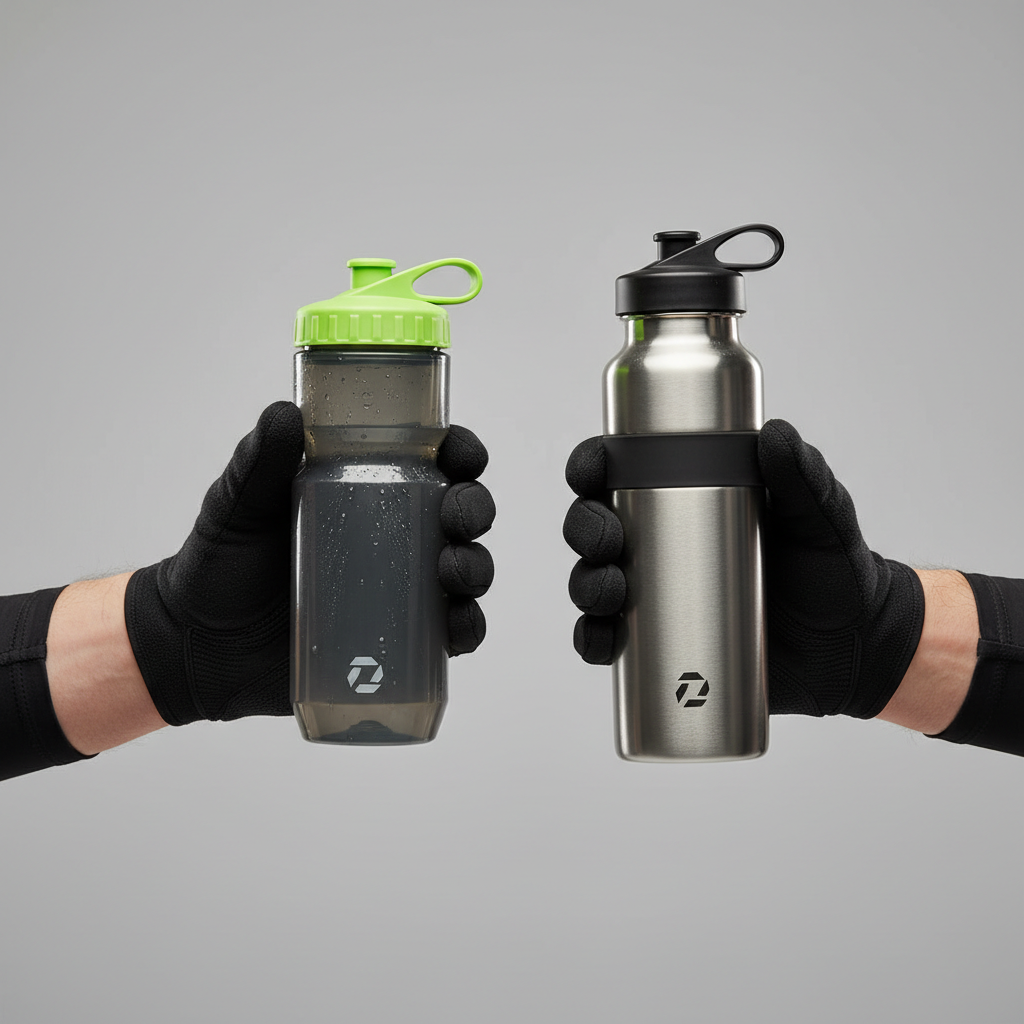
What to prioritize: insulation, cage fit, and drinkability
Most people shop insulated bottles like they’re buying a thermos. On a bike, the “good” bottle is the one you actually use at speed.
Insulation performance (real-world, not packaging)
- Double-wall plastic tends to keep water “cool-ish” for a chunk of a ride, especially if you start cold.
- Vacuum stainless can keep water cold much longer, but only if the lid seals well and you don’t leave it baking on blacktop.
A simple trick that matters more than people admit: start with pre-chilled water and put the bottle in the fridge the night before. If you start lukewarm, even the best bike water bottle insulated claims won’t save you.
Cage fit (the silent deal-breaker)
Not all “bike” bottles fit all cages. Tall bottles can hit a small frame’s top tube, and stainless bottles can be a hair too wide, or so slick they eject on rough gravel.
- For tight frames, look for shorter 20–21 oz bodies or “compact” shapes.
- For rough terrain, a high-grip cage or textured bottle body helps.
- If your current bottle occasionally launches, fix that first, insulation won’t matter.
Drinkability: valve, flow, and one-hand use
- High-flow valves reduce how hard you need to squeeze.
- Lockout spouts help with leak control in a bag, but can be fiddly with gloves.
- Wide-mouth caps are easier to clean and add ice, but some are slower to drink from on the move.
Self-check: which insulated bottle style fits you?
Answer these quickly. Your pattern usually points to the right build.
- You drink every 5–10 minutes and prefer a squeeze: double-wall squeeze bottle tends to feel natural.
- You sip less often, hate warm water, and can live with a different lid: vacuum stainless fits better.
- You’re tired of bottle funk, sports drink residue, or mold anxiety: prioritize easy-clean lid + wide mouth over maximum insulation.
- Your rides include chunky gravel or singletrack connectors: prioritize secure cage fit, then insulation.
- You frequently ride in extreme heat: consider two smaller bottles instead of one huge bottle so you can rotate colder water.
If you checked multiple boxes, that’s normal. Many riders end up with one insulated squeeze for the bike and one vacuum bottle for stops, depending on how their day looks.
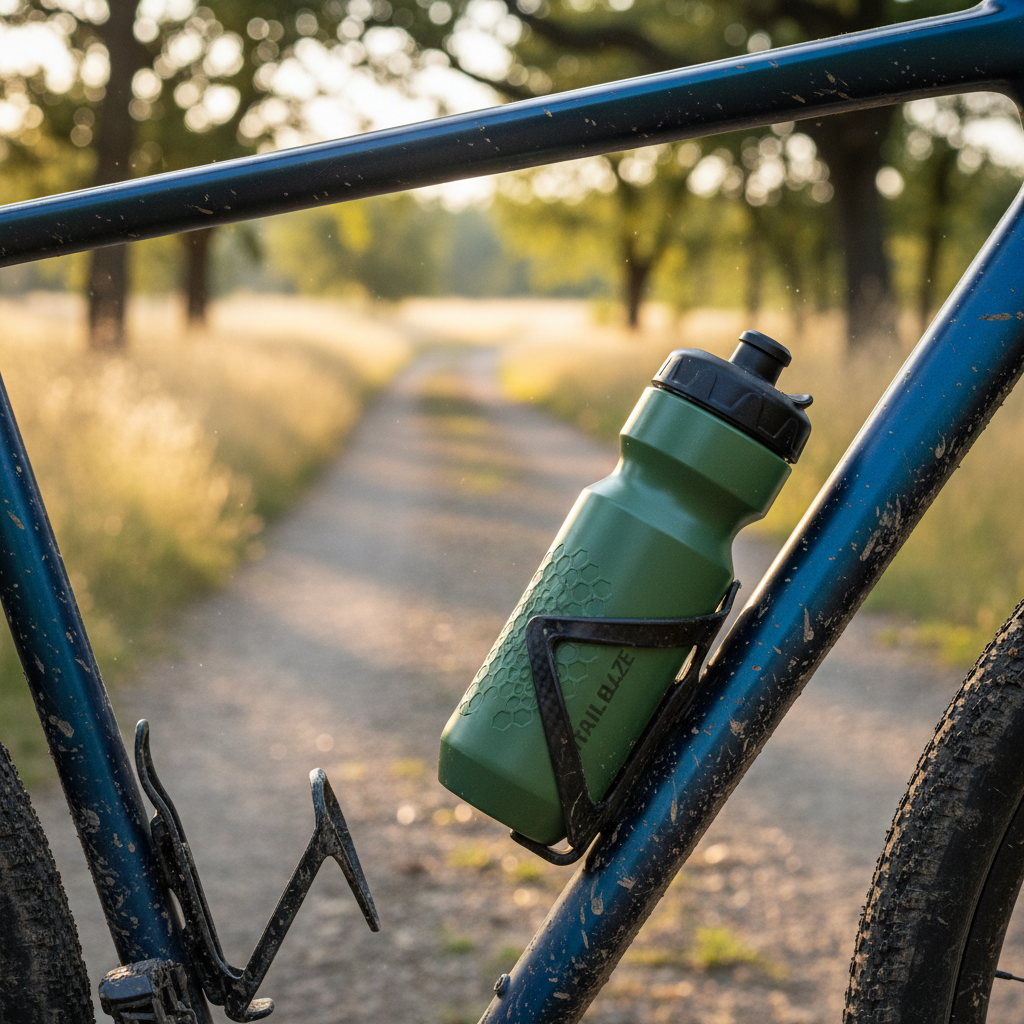
How to choose the best size and shape for your frame
Capacity sounds simple until you realize frame geometry decides what “fits.” The best bike water bottle insulated option is often the one that clears your top tube and still pulls out smoothly.
- 20–22 oz: safer fit on smaller frames, less fighting with tight triangles.
- 24–26 oz: common sweet spot for most adult road and gravel frames.
- 28+ oz: great for long rides, but check standover and cage access before you commit.
Shape matters too. Cylinders are usually easiest, while contoured “ergonomic” bodies can either help grip or create weird pressure points in certain cages.
Key point: if you have side-entry cages, measure clearance on the side you pull from, especially on full-suspension or small gravel frames.
Cleaning, taste, and materials: what most buying guides skip
If you’ve ever taken a sip and thought “why does this taste like last week’s ride,” you already know why this section exists.
Plastic taste vs stainless taste
- Some plastics can hold odor more easily, especially after sugary mixes.
- Stainless bottles often resist odor, but the lid and straw/spout can still trap residue.
According to U.S. Food & Drug Administration (FDA)... food-contact materials should be used as intended, but in everyday use your bigger risk is usually poor cleaning habits, not a single “bad” sip.
What makes a bottle genuinely easy to clean
- Fewer parts in the valve and cap
- Wide opening that fits a brush
- Replaceable spout/valve so you can refresh the high-wear parts
If you use electrolyte or carb mix, consider a “water-only” insulated bottle plus a separate non-insulated bottle for mix. It’s not fancy, it just reduces cleanup friction.
Practical tips to keep drinks colder on the bike
Even the best bike water bottle insulated option benefits from a few small habits that stack up.
- Start colder than you think you need: fridge overnight beats “cool tap water.”
- Ice strategy: small cubes work, but crushed ice can jam some nozzles; test at home.
- Shade the bottle: on breaks, lay the bike so the bottle sits out of direct sun, or cover with a light cloth.
- Rotate bottles: on long rides, keep one colder by drinking the warmer one first.
- Choose lighter colors: black bottles can heat faster in direct sun.
If you’re riding in very high heat or have a health condition, heat illness can become serious; hydration needs vary, and it’s reasonable to ask a healthcare professional for personalized guidance.
Common mistakes (and how to avoid wasting money)
- Buying for insulation only: if it doesn’t fit your cage cleanly, you’ll stop using it.
- Ignoring the lid: lots of complaints come from leaky or hard-to-clean caps, not the bottle body.
- Over-sizing: the biggest bottle is tempting until it hits the top tube or becomes hard to pull out mid-ride.
- Assuming “dishwasher-safe” means forever: heat can shorten life for some plastics and seals, so follow the brand’s guidance.
- Not replacing wear parts: valves, gaskets, and mouthpieces wear out; if replacements exist, that’s a value feature.
Key takeaways: cage fit, lid design, and cleaning ease usually decide satisfaction more than a small difference in insulation claims.
Conclusion: choosing the right insulated bottle without overthinking it
The best pick is the bottle you can grab one-handed, drink from without fuss, and clean without dreading it, while still keeping water noticeably cooler for your typical ride. For many riders, that points to a double-wall insulated squeeze bottle; for others, especially in peak summer heat, a vacuum-insulated stainless bottle makes more sense as long as it fits the cage and your drinking style.
If you want a simple next step, do this: measure your frame clearance and cage type, then decide whether you need squeeze convenience or maximum cold retention. That alone narrows the field fast.