
Best bike seat for kids toddler searches usually come from the same place, you want family rides to feel fun, not stressful, and you do not want to guess on safety or fit.
The tricky part is that “toddler bike seat” can mean a front-mounted seat, a rear rack seat, a frame-mounted option, or even a trailer or tag-along alternative. They look similar online, but they behave very differently on real streets, curbs, and turns.
This guide helps you pick a setup that matches your child’s age and size, your bike type, and the kind of riding you actually do, school drop-offs, parks, or longer weekend loops. I’ll also call out the common compatibility traps that waste money.
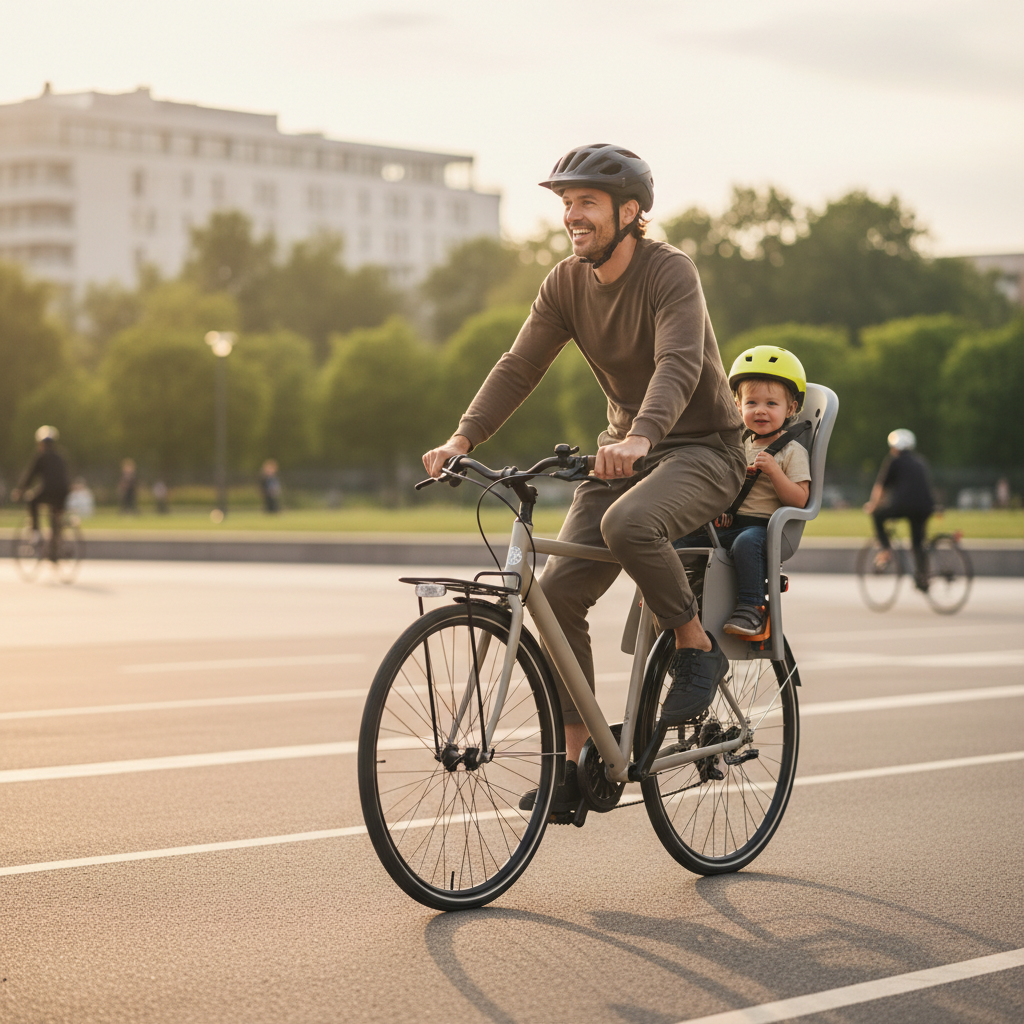
What “best” really means for a toddler bike seat
Most parents do not need the “most premium” seat, they need the seat that fits their bike and keeps the ride predictable. In practice, “best” comes down to four things.
- Fit range: child weight/height limits, and enough adjustment to last more than one season.
- Stability: how much the seat shifts when your toddler moves, especially when looking around or pointing.
- Protection: a secure harness plus foot retention so little feet stay away from spokes and the rear wheel.
- Bike compatibility: the seat must match your frame, rack, or e-bike design, otherwise even a great seat becomes a bad choice.
According to the American Academy of Pediatrics, children should wear a properly fitted helmet on every ride, and kids should ride in an appropriate, correctly installed child seat when they are not able to ride independently. If you are unsure about fit or installation, a local bike shop can often help you check it quickly.
Front vs rear toddler bike seats (and who each works for)
If you are comparing options for the best bike seat for kids toddler, start with position. It changes everything: your center of gravity, how much you can see your child, and how easy it is to mount the bike.
Front-mounted seats
Front seats keep your child closer and easier to talk to, which many parents like for short, low-speed rides. The tradeoff is steering can feel busier, and some bikes simply do not have room between the handlebars and the saddle.
- Good for: calm paths, frequent stops, kids who want to see “everything.”
- Watch-outs: limited weight range, interference with cables, tight cockpit space on smaller frames.
Rear-mounted seats
Rear seats are the common choice in the US because they often offer higher weight limits and more protection. They also put the load behind you, so getting used to slow-speed balance matters.
- Good for: longer rides, toddlers closer to max weight, bikes with sturdy mounting points.
- Watch-outs: the seat may need a specific rack rating or frame interface, heel clearance for the rider.
Quick self-check: are you buying the right type for your bike?
Before you read any “top picks,” do this 60-second check. It saves you from the classic return, the box says it fits, your bike says it does not.
- Your bike style: road, hybrid, MTB, cruiser, step-through, cargo bike, e-bike.
- Seat tube and frame shape: some frames lack the clearance for certain brackets.
- Rear rack: if you plan rack-mount, confirm the rack is rated for child-seat use, not just panniers.
- Wheel size and fenders: fenders and wide tires can reduce mounting space.
- Rider fit: can you pedal without your heels hitting the seat or footrests?
- Where you ride: bumpy pavement and curb cuts amplify wobble, you may want a more stable mount type.
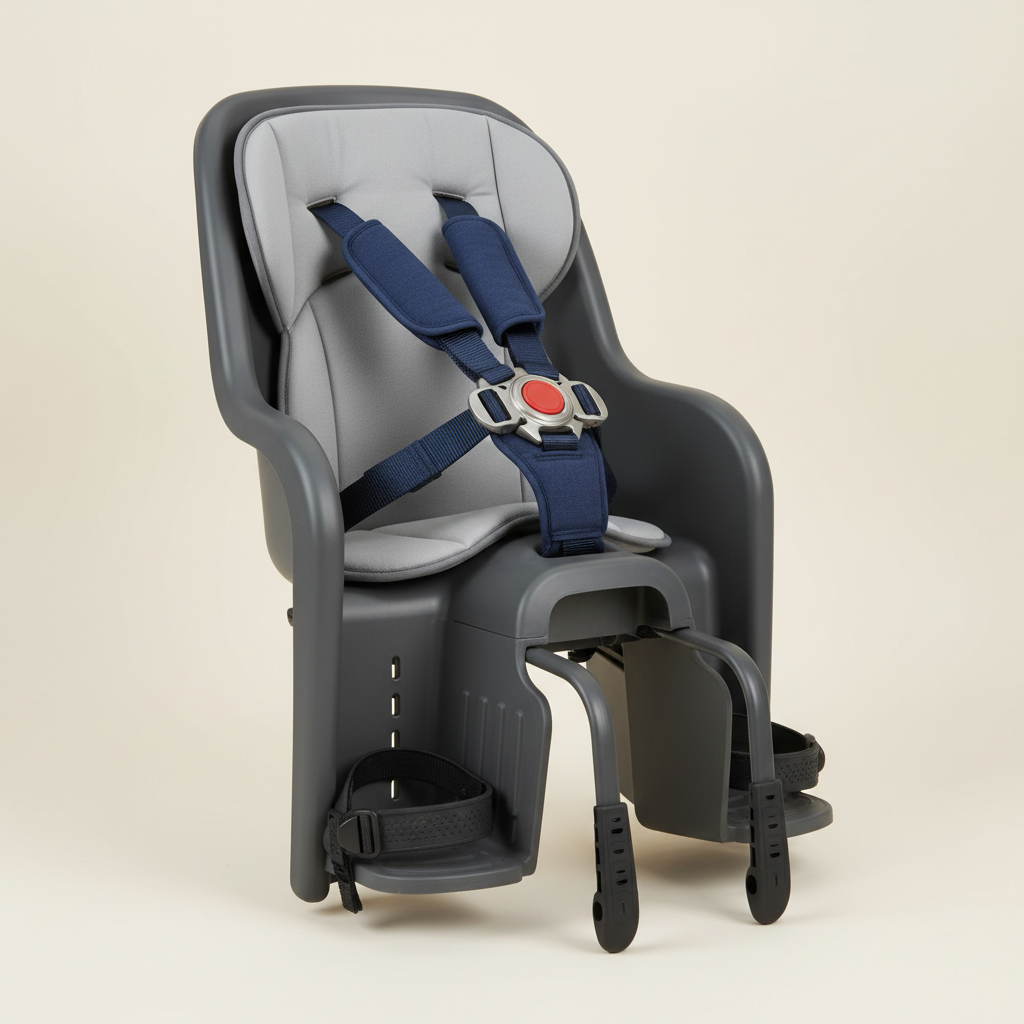
Safety features that matter more than marketing
Safety claims can look similar across brands. In real use, a few details do most of the work.
- Harness style: many parents prefer a 5-point harness for toddlers, because it limits sliding and leaning. Make sure the buckle is toddler-proof but adult-easy.
- Foot retention: look for adjustable footrests plus straps. This is where spoke injuries can happen if a foot slips down.
- Side protection: higher side panels can help when kids fall asleep or lean hard to one side.
- Mount stiffness: less sway usually equals more confidence, especially at low speed.
- Visibility: reflective panels help at dusk, but you still want a rear light on the bike.
According to the U.S. Consumer Product Safety Commission (CPSC), bike-related injuries can be reduced with protective equipment and safe riding practices. That is not a guarantee, but it is a good reminder that the “best” seat still needs a helmet, good route choices, and conservative speeds.
Comparison table: choosing the right setup (2026 buyers)
Use this as a practical shortcut. It does not name specific models, because availability and fit vary a lot by bike, but it will point you to the category that tends to work.
| Option | Best for | Pros | Cons | Compatibility notes |
|---|---|---|---|---|
| Front-mounted child seat | Short rides, high interaction | Easy to talk, child sees forward | Can affect steering, lower max weight | Needs cockpit space, may clash with cables |
| Rear frame-mounted seat | Everyday rides, broad fit range | Often stable, good protection | Heavier feel, harder to mount bike | Check frame interface, step-through frames vary |
| Rear rack-mounted seat | Bikes with rated racks | Simple install on compatible racks | Wrong rack rating is a deal-breaker | Confirm rack is child-seat rated, not generic |
| Bike trailer | Multi-kid, nervous riders | Very stable, gear capacity | Wider footprint, storage space needed | Great for many bikes, check axle/hitch type |
| Tag-along / trailer bike | Older toddlers transitioning | Child pedals, longer range | Not ideal for smaller toddlers | Usually better once child can follow instructions |
How to pick the best bike seat for kids toddler (step-by-step)
Here is a simple path that keeps you out of the weeds, and still leads to a confident choice.
- Start with your child: confirm weight, height, and whether they can sit upright with a helmet without slumping. If your child has special posture needs, ask a pediatrician for guidance.
- Match the seat type to your riding: busy streets and longer rides usually favor rear seats or trailers, casual paths can suit front seats.
- Confirm bike compatibility: do not assume. Check frame shape, rack rating, and brake/cable routing.
- Prioritize retention points: harness and foot straps should adjust easily, because you will adjust them a lot.
- Plan your “getting on/off” routine: if you cannot mount the bike smoothly, you will ride less, and you will take shortcuts. That is when mistakes happen.
Key takeaway: the best toddler setup is the one you can install correctly, use consistently, and ride with steady balance.
Common mistakes (the stuff that actually causes problems)
Most issues are not dramatic, they are small daily frictions that add up: the seat shifts, straps slip, your heels hit the footrests, then you start avoiding the bike.
- Buying before checking rack ratings: many racks carry cargo but are not designed for a child seat load.
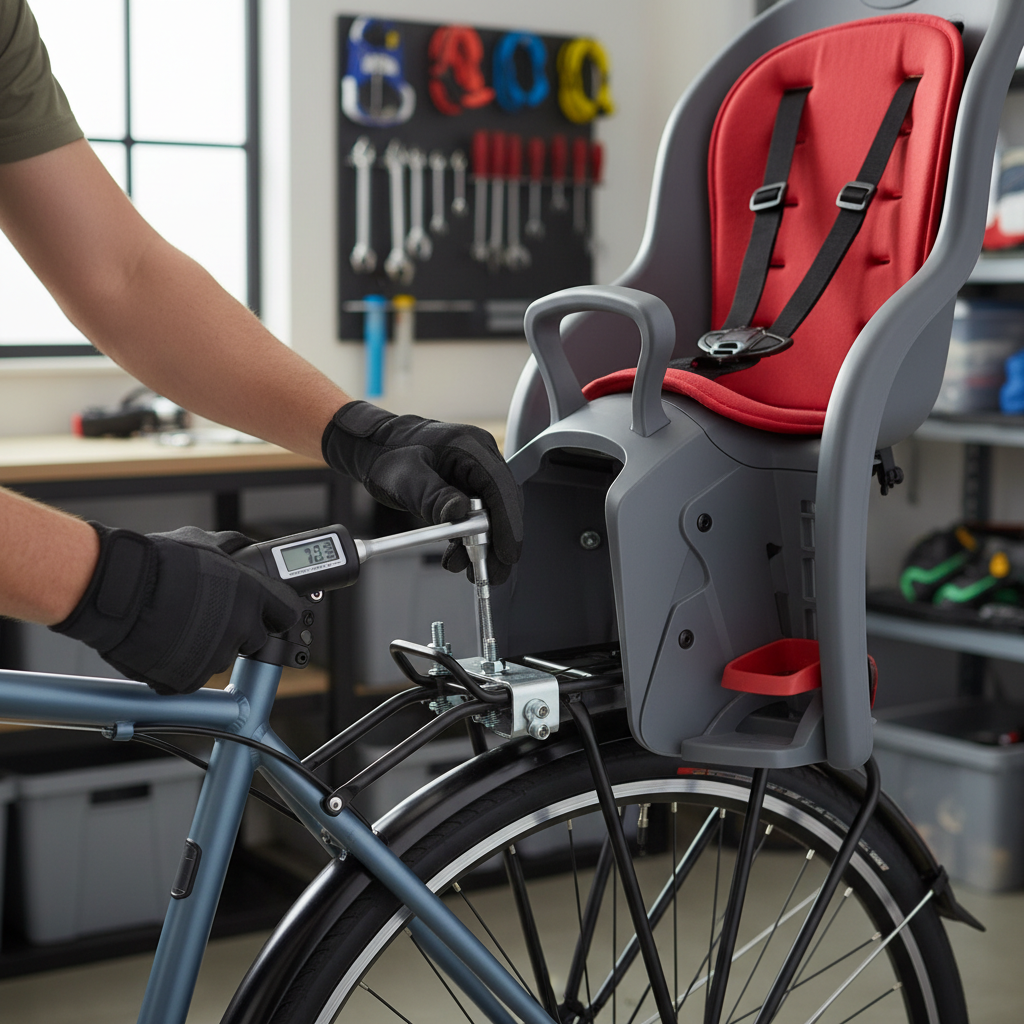
- Loose hardware after a few rides: vibration can back bolts out. Re-check tightness after the first few outings.
- Ignoring helmet fit: if the helmet tips back, kids look up and it slips. A bike shop can help fit quickly.
- Skipping a test ride without the child: ride around the block with weight in the seat, then re-check alignment.
- Overestimating attention span: toddlers may lean suddenly to point at something, choose calmer routes than you think you need.
When to get help from a bike shop or professional
If you are unsure about mount compatibility, it is worth paying for a quick install check. Many shops will spot problems fast, like clamp placement on a non-standard tube, rack flex, or heel clearance issues.
- You ride an e-bike with a unique frame or integrated rack.
- Your bike has a carbon frame or unusual tubing, clamping may not be recommended.
- You notice seat sway, odd noises, or the seat angle keeps drifting.
- Your child has balance, tone, or posture concerns, a pediatric professional may give safer guidance.
According to the League of American Bicyclists, safe family riding includes choosing low-stress routes, being visible, and using equipment correctly. A shop fit plus a safer route often does more than chasing another “best” list.
Conclusion: a practical 2026 recommendation
If your goal is the best bike seat for kids toddler, pick the category that matches your bike and your rides, then prioritize a stable mount, a secure harness, and reliable foot retention. That combination tends to matter more than brand names.
Action steps that work in real life, measure your child, verify your bike’s rack or frame compatibility, then do one short test loop and re-check tightness. If anything feels off, do not force it, a quick bike shop check can be the difference between confident rides and a seat that sits unused.