
Bone Density matters more in fitness than most people realize, because it quietly influences how well your body tolerates impact, loading, and recovery as training gets serious.
If you have a history of stress fractures, frequent “mystery” aches, or you keep hearing “low bone mass” on a scan report, it’s easy to feel stuck between wanting to train hard and worrying about doing damage. The good news is bone is living tissue and often responds to the right stimulus, but it responds on its own timeline.
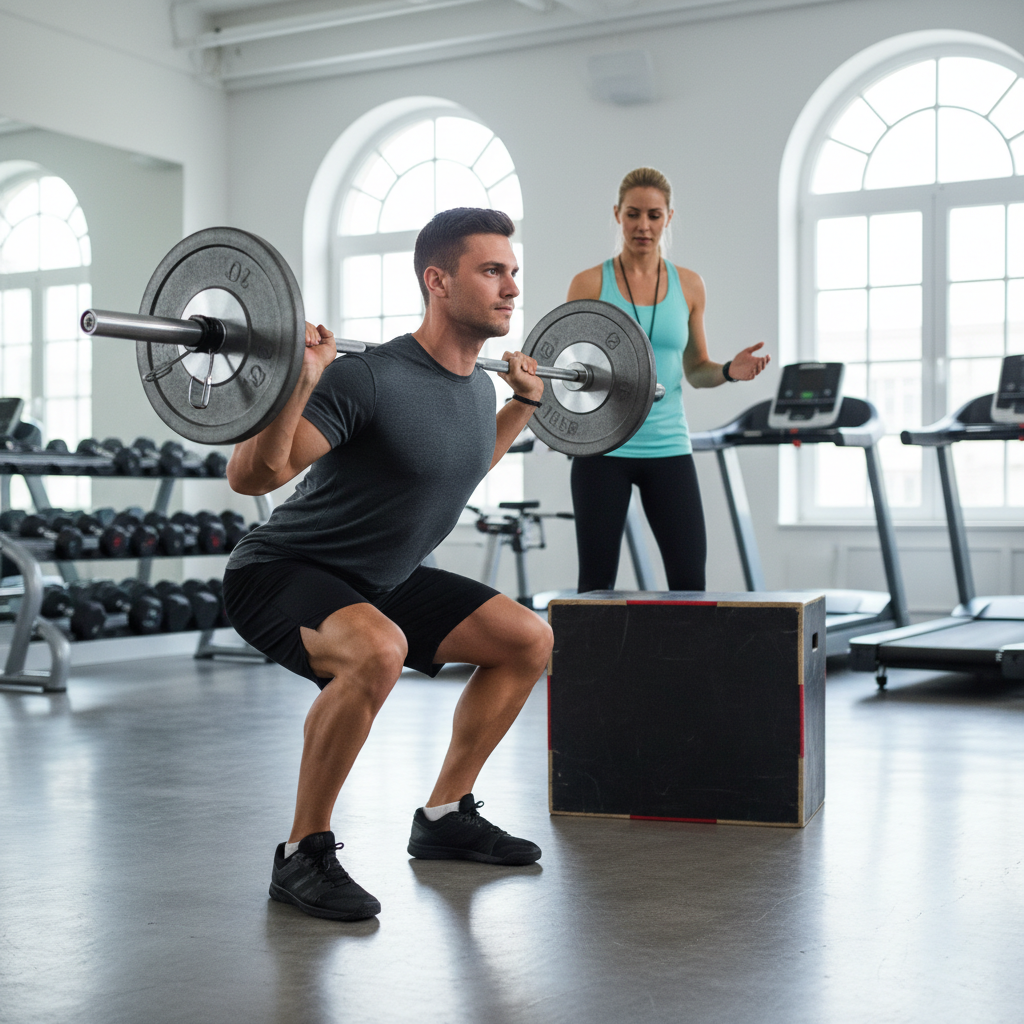
This guide focuses on the practical middle ground: training choices that usually help bone adapt, nutrition basics that support remodeling, and the red flags that mean you should slow down and get a professional opinion. You’ll also see a simple checklist and a week template so you can act immediately without overcomplicating it.
What actually improves bone strength (and what doesn’t)
Bone adapts when it has a reason to. That “reason” is typically mechanical loading that is heavy enough, varied enough, and repeated consistently to trigger remodeling.
According to the NIH Osteoporosis and Related Bone Diseases National Resource Center, bones become stronger when you do weight-bearing and muscle-strengthening activities. Translation: bones like forces going through them, especially when muscles pull on bone during strength work.
- Most helpful: progressive resistance training, impact/landing drills (when appropriate), and regular weight-bearing movement.
- Sometimes helpful: running and court sports, mainly if you progress gradually and recover well.
- Less helpful for Bone Density: swimming and cycling alone, great for fitness but often not enough loading stimulus for bones.
A common misunderstanding is thinking “more reps” automatically means stronger bones. In many cases, bone responds better to higher force rather than endless low-load volume, as long as technique and progression stay controlled.
Why Bone Density can drop even in active people
It’s not only a “sedentary” issue. Plenty of active adults run into low bone mass because training stress and recovery don’t match, or nutrition quietly under-delivers.
- Low energy availability: eating too little for your training load can reduce hormones that support bone remodeling. This shows up in both women and men.
- Too much sameness: doing only one type of cardio or repeating the same light weights can stall adaptation.
- Vitamin D or calcium gaps: common, especially with limited dairy intake, low sunlight exposure, or certain dietary patterns.
- Medications and conditions: steroids, some endocrine issues, GI absorption problems, and more can affect bone. This varies widely by person.
- Aggressive ramp-ups: sudden mileage jumps or adding HIIT on top of lifting can outpace your tissue’s ability to adapt.
According to the U.S. Preventive Services Task Force (USPSTF), screening for osteoporosis is recommended for certain age and risk groups. Even if you’re younger, recurring fractures or clinical risk factors can justify a conversation with a clinician.
Quick self-check: are you in a “build,” “maintain,” or “protect” phase?
This isn’t a diagnosis, it’s a way to decide how cautious you should be while trying to improve Bone Density.
Build phase (often reasonable to progress)
- No history of stress fractures, no recent fractures from low-impact falls
- Strength training experience and solid technique
- Eating enough protein and total calories most days
- Sleep and recovery feel decent
Maintain phase (progress, but slower and more conservative)
- Past stress fracture, but currently stable and pain-free
- Inconsistent lifting background, frequent breaks from training
- Perimenopause/menopause, or other life phases where recovery changes
Protect phase (get guidance before pushing impact)
- Multiple stress fractures, or a fracture from a minor fall
- Persistent bone pain that flares with running/jumping
- History of eating disorder, missed periods, or suspected RED-S
- Known osteoporosis/osteopenia or high-risk medication use
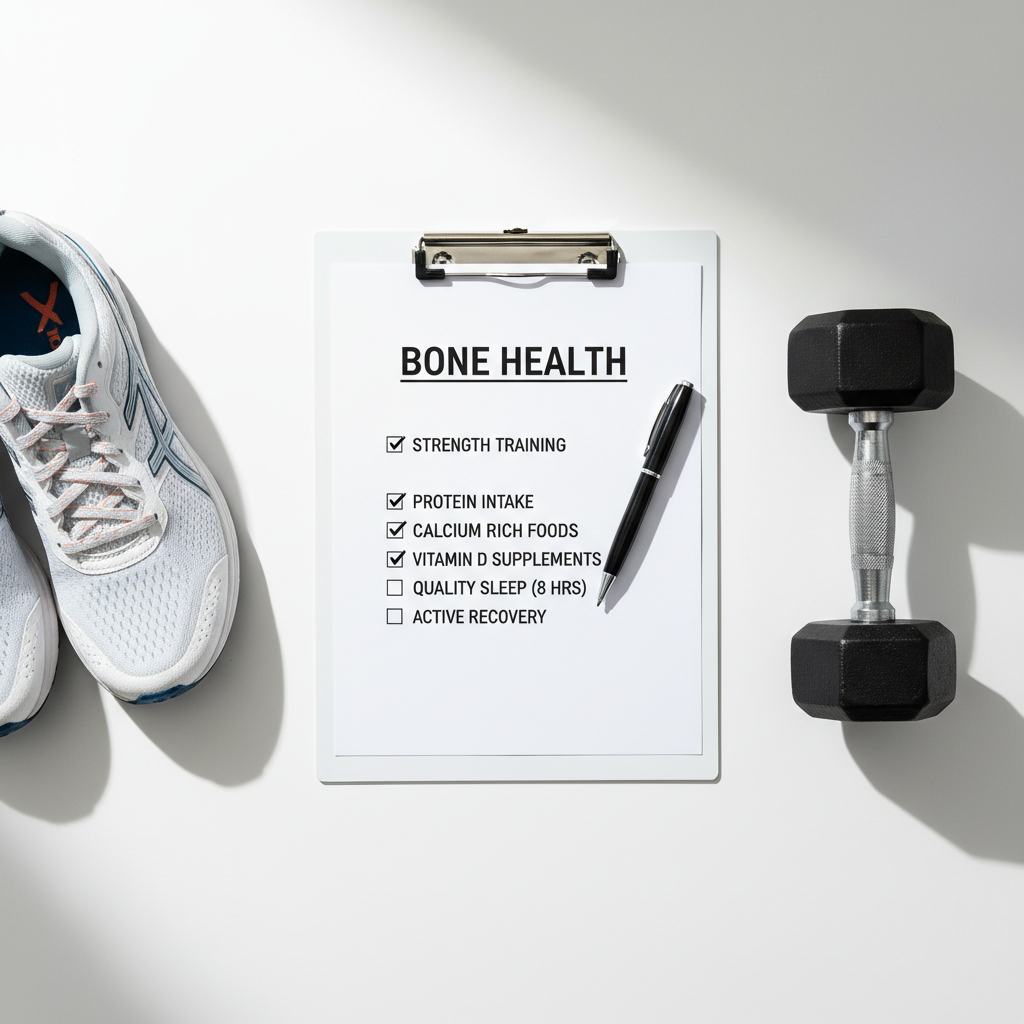
If you land in “protect,” it doesn’t mean you can’t train. It means you’ll likely do better with a plan that prioritizes strength, balance, and nutrition before you chase higher-impact work.
Training that supports Bone Density: what to do in the gym
Bone responds to loading patterns that create meaningful strain. Practically, that means you want progressive resistance, plus carefully dosed impact if your risk profile allows.
1) Progressive strength training (the backbone)
Aim for 2–4 sessions per week, focusing on large muscle groups and multi-joint patterns. Keep it simple and repeatable.
- Lower body: squat pattern, hinge pattern, lunges/step-ups
- Upper body: push, pull, overhead press variations
- Spine and trunk: carries, anti-rotation presses, back extension work as tolerated
Rep ranges vary. Many people do well with a mix of moderate reps and some heavier sets, but “heavy” should still look controlled. If form gets sketchy, the stimulus stops being worth the risk.
2) Impact work (useful, but earned)
For many adults, small amounts of impact help, especially when layered on top of strength training. Options include:
- Jump rope intervals
- Low box step-offs with soft landings
- Hops in place, line hops, small bounds
If you have osteopenia/osteoporosis or past fractures, impact choices should be individualized. According to the American College of Sports Medicine (ACSM), exercise prescriptions should consider health status and risk, which is exactly the point here.
3) Bone-friendly conditioning
If you love cardio, keep it, just don’t let it crowd out the work that feeds adaptation. Brisk incline walking, stair climbing, and hiking often provide weight-bearing stimulus with less pounding than running.
A simple weekly plan (and how to progress without getting hurt)
Most people improve outcomes when they stop guessing and run a steady plan for 8–12 weeks before changing everything again. Bone remodeling is slow, and chasing novelty can backfire.
| Day | Focus | Example |
|---|---|---|
| Mon | Strength A | Squat, row, split squat, carry |
| Tue | Weight-bearing cardio | Incline walk 30–45 min + mobility |
| Wed | Strength B | Deadlift/hinge, press, step-up, core |
| Thu | Optional impact (if appropriate) | Jump rope 5–10 min total, easy pacing |
| Fri | Strength C (lighter) | Tempo goblet squat, pull-down, hip thrust |
| Sat | Recreation | Hike, tennis, long walk |
| Sun | Recovery | Rest, gentle movement, sleep catch-up |
Progression rules that keep you out of trouble:
- Increase one variable at a time, either load, reps, or weekly frequency.
- Keep 1–3 reps in reserve on most sets if you’re rebuilding consistency.
- If you add impact, reduce something else that week, usually running volume or HIIT.
And a reality check: if you’re already dealing with pain at rest, pain that worsens with impact, or repeated “shin splints” that never fully settle, that’s not a signal to push harder. That’s a signal to adjust inputs.
Nutrition and lifestyle that make training “stick”
Training provides the signal, nutrition provides the building materials. When Bone Density is the goal, under-fueling tends to erase a lot of good work.
- Protein: distribute across meals, especially if you lift. Exact targets vary by body size and training volume.
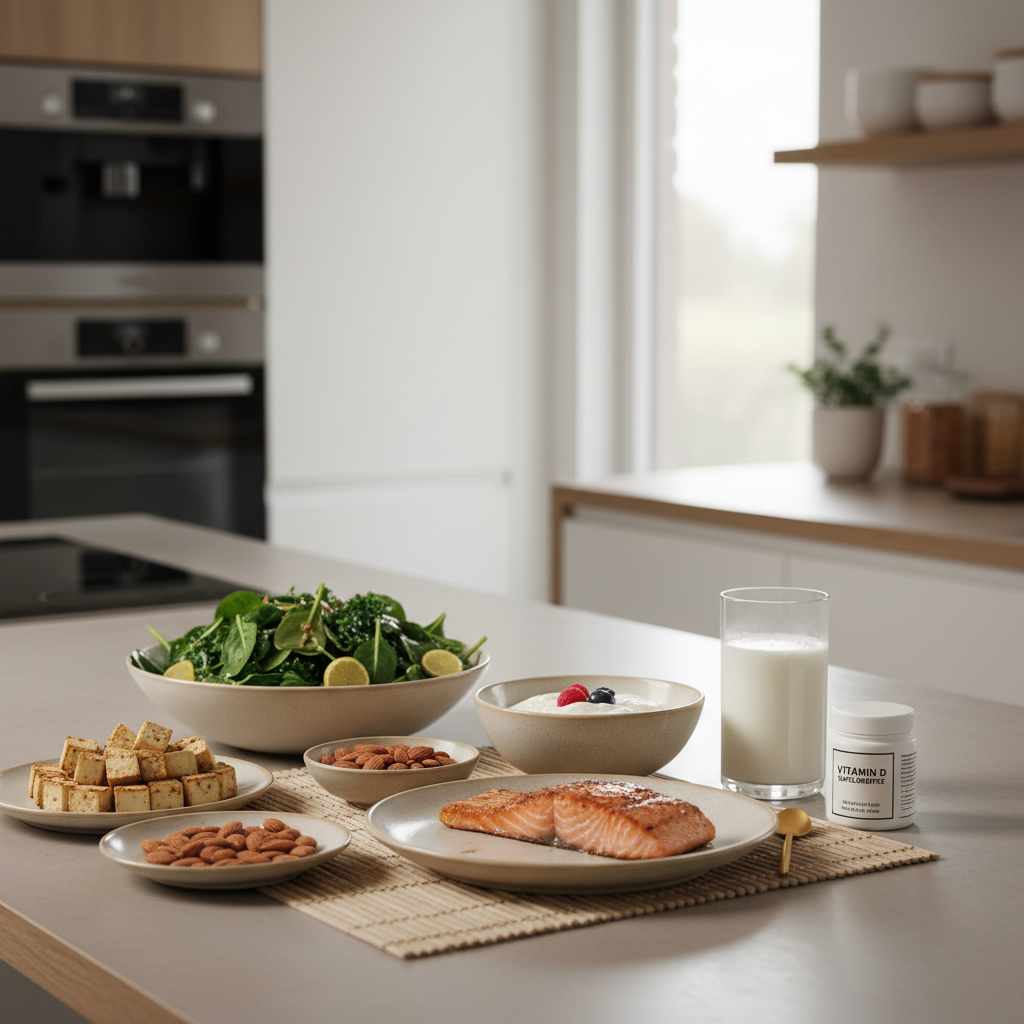
- Calcium: food-first works well for many people, using dairy, fortified alternatives, tofu set with calcium, leafy greens, canned fish with bones.
- Vitamin D: depends on sun exposure, skin tone, geography, and diet, so testing can be useful in many cases. Supplement decisions fit best with a clinician.
- Sleep and stress: boring advice, but bone remodeling and recovery are not separate from sleep quality.
According to the National Osteoporosis Foundation, calcium and vitamin D are key nutrients for bone health. It’s easy to treat this as a checklist, but consistency beats perfection.
Common mistakes that slow progress
- Doing only cardio: great for heart health, often insufficient loading for stronger bones.
- Jumping into plyometrics too fast: impact is a tool, not a starting line for everyone.
- Maxing out constantly: if you lift heavy every session, form breaks down and recovery suffers, which can increase injury risk.
- Ignoring energy availability: if you’re always “cutting,” bone may not get the resources it needs.
- Over-focusing on supplements: they can help in specific gaps, but they rarely replace progressive loading.
Key takeaways: build strength first, add impact carefully if appropriate, eat enough to recover, and measure progress in months, not weeks.
When to get professional help (smart, not dramatic)
If you suspect low Bone Density, getting clarity early can save you months of trial and error. A clinician can help decide whether DXA scanning or lab work makes sense for your situation.
- Recurring stress fractures, especially with reasonable training volume
- Back pain with height loss, or a fracture from a minor fall
- Menstrual cycle changes, symptoms of RED-S, or significant unintended weight loss
- Medical history or medications known to affect bone
A physical therapist or qualified strength coach can also help you choose safe loading strategies and clean up technique, which matters when you’re trying to apply higher forces on purpose.
Conclusion: a realistic path to stronger bones
Improving Bone Density through fitness usually looks less like a “bone program” and more like steady, progressive strength training supported by enough food, smart recovery, and impact work that matches your risk level.
If you want a clean next step, pick two full-body strength days this week, add a third day only after you feel stable, then audit your calcium, vitamin D, and overall fueling. If anything feels off, especially pain patterns or fracture history, loop in a clinician before you push intensity.
FAQ
- How long does it take to improve Bone Density?
Bone remodeling is slow, so many people think in terms of months, not weeks. Your training consistency and nutrition usually matter more than constant program changes. - Is running enough to build stronger bones?
Running can help some people, but it’s not always the best standalone strategy, especially if volume is high and strength work is missing. Many bodies do better when lifting provides the primary stimulus. - What are the best exercises for bone health?
Squats, hinges, step-ups, loaded carries, and other compound lifts are common staples because they load hips and spine. The best option is one you can progress with good form. - Can I do jumping exercises if I have osteopenia?
Sometimes, but it depends on location of bone loss, fracture history, and overall risk. It’s reasonable to ask a clinician or physical therapist before adding plyometrics. - Do calcium supplements improve Bone Density?
They can help when dietary calcium is consistently low, but they’re not a substitute for progressive loading. Supplement choice and dose are worth discussing with a clinician, especially if you have kidney stone history. - Does strength training help after menopause?
Often yes, and it’s commonly recommended as part of a bone-health plan. Loads, recovery, and technique may need more attention, but “too late” is usually the wrong framing. - What are signs I’m doing too much too soon?
Persistent localized bone pain, worsening pain with impact, and performance dropping while fatigue climbs are common signals. Pull back, simplify the plan, and consider evaluation if symptoms persist.
If you’re trying to train hard but also protect your joints and bones, you may benefit from a simple plan review with a qualified coach or physical therapist, sometimes a few small changes in loading, exercise selection, and weekly structure make the whole approach feel safer and more sustainable.