
Athletic Tape can be a simple way to add short-term support to sore muscles and wobbly joints, but only if you pick the right type and apply it with a clear goal.
Most people run into the same frustration: the tape peels off mid-workout, it feels too tight, or it “supports” the wrong area and makes motion feel worse. That usually isn’t because tape is useless, it’s because athletic tape is a category, not a single product.
This guide breaks down what tape can realistically do, how to match tape type to body area, and a few practical application rules that keep you on the safer side. If you need a quick reference before practice, the table and checklists will help.
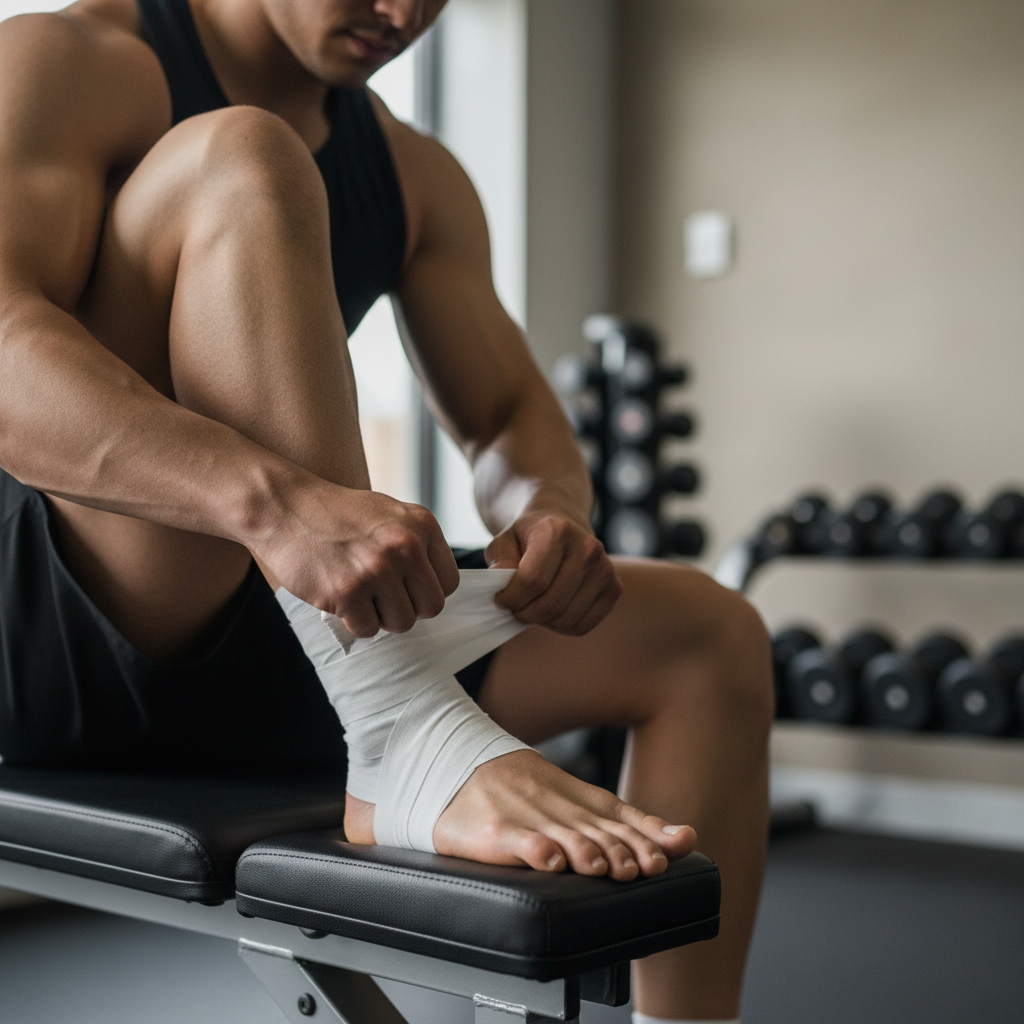
What athletic tape can (and cannot) do
Athletic tape works best when you treat it like a tool with a narrow job: reduce unwanted motion, improve body awareness, and protect irritated tissue while you train or compete.
- Can help: add external support to a joint, limit a painful range of motion, reduce rubbing from gear, remind you not to overextend.
- Cannot do: “fix” a ligament sprain overnight, correct a complex movement pattern by itself, or replace rehab strength work.
According to the American Academy of Orthopaedic Surgeons (AAOS), ankle braces and taping are common options to support an unstable ankle, especially after sprains, but they still need to be part of a broader plan that may include rehab and activity modification.
Types of athletic tape and when each makes sense
One reason people get mixed results is using the wrong tape for the job. The feel is different, the stretch is different, and the “best” option changes by sport, sweat level, and skin tolerance.
Quick comparison table
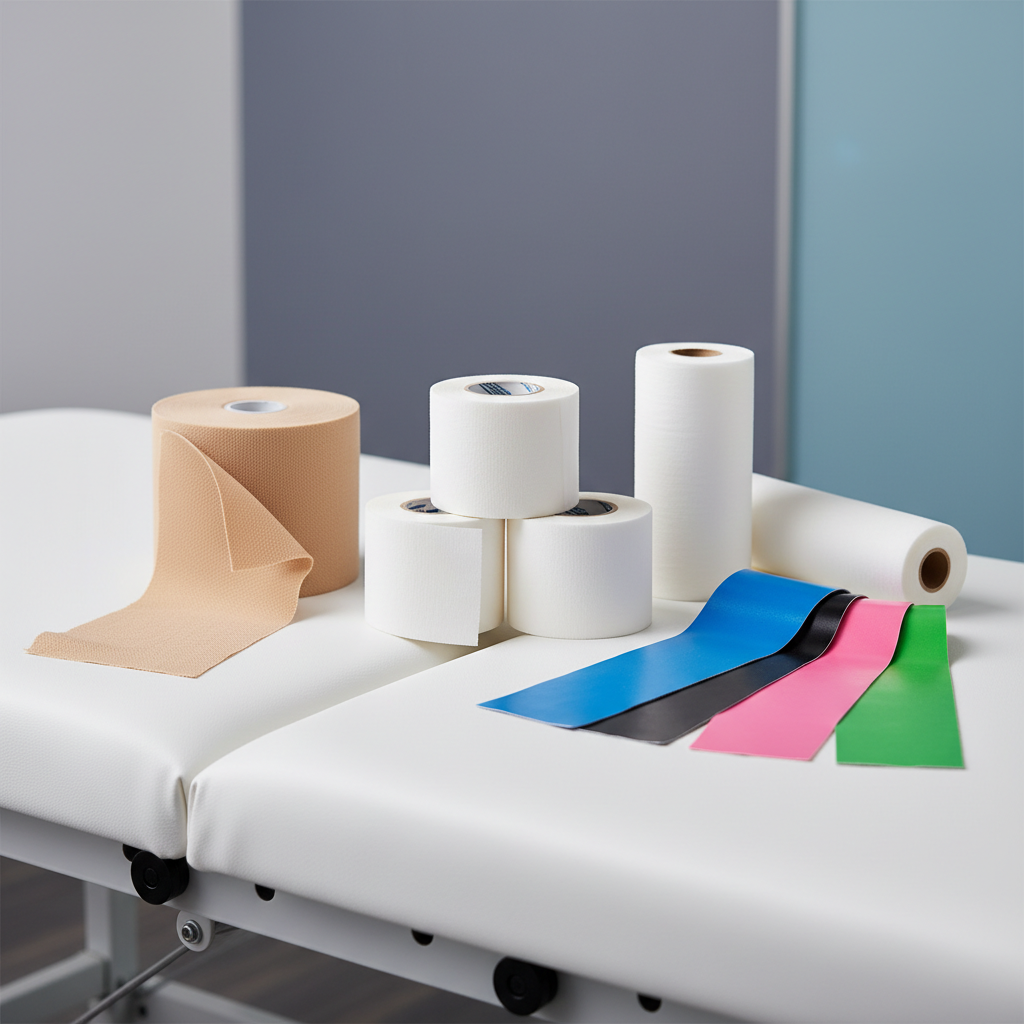
| Type | What it feels like | Common uses | Watch-outs |
|---|---|---|---|
| Rigid athletic tape (non-stretch) | Firm, “locked in” | Ankles, thumbs, high-contact sports | Too tight can irritate skin or restrict circulation |
| Elastic athletic tape (EAB) | Supportive with some give | Compression wraps, light support, securing pads | Can loosen with sweat, can feel bunched behind joints |
| Kinesiology tape (stretchy strips) | Flexible, moves with you | Body awareness, mild support, longer wear | Not ideal when you must strongly limit motion |
| Pre-wrap/underwrap | Soft barrier layer | Reduce sticking to hair/skin, protect sensitive skin | Can reduce grip of rigid tape if overused |
If you’re trying to stabilize a joint for a game, rigid athletic tape is usually the starting point. If your goal is comfort and gentle guidance during runs or lifts, kinesiology tape often feels more tolerable.
Common reasons tape fails (peels, pinches, or “does nothing”)
If Athletic Tape keeps disappointing you, it’s usually one of these real-world issues, not some mysterious “bad batch.”
- Skin prep is missing: lotion, sunscreen, or body oil blocks adhesion; body hair can cause early lifting.
- Wrong tension: rigid tape pulled too hard can pinch; stretchy tape pulled too hard can cause skin irritation.
- Bad anchor points: tape stuck on a high-sweat zone or over a highly mobile crease tends to roll.
- Overconfidence in support: taping a painful knee without addressing hip/ankle mechanics often feels “useless.”
- Timing is off: taping right before heavy sweating without allowing adhesive to set reduces staying power.
Small detail that matters: many adhesives bond better after you rub the tape to warm it slightly, then wait a minute before you start moving hard.
Self-check: what kind of support do you actually need?
Before you tape, decide what you want to limit or protect. “Support my ankle” is vague; “reduce rolling inward when I cut” is actionable.
- You likely want rigid athletic tape if you have a history of sprains, you play a cutting sport, or you need firm motion limits for a short event.
- You likely want elastic athletic tape if swelling control or light compression is the goal, or you need to secure a pad.
- You likely want kinesiology tape if your main issue is awareness, mild discomfort, or you need something that lasts through the day.
- You likely want a brace instead if you need repeatable support daily, you tape often and your skin hates it, or you’re taping the same joint every session.
Key point: if numbness, tingling, color change, or throbbing shows up after taping, remove it and reassess. That can signal excessive pressure, and if symptoms persist you should consider medical advice.
Practical application rules (works for most joints)
You don’t need a perfect “sports med lab” setup, but you do need consistency. These steps cover most Athletic Tape applications whether you’re supporting an ankle, wrist, or thumb.
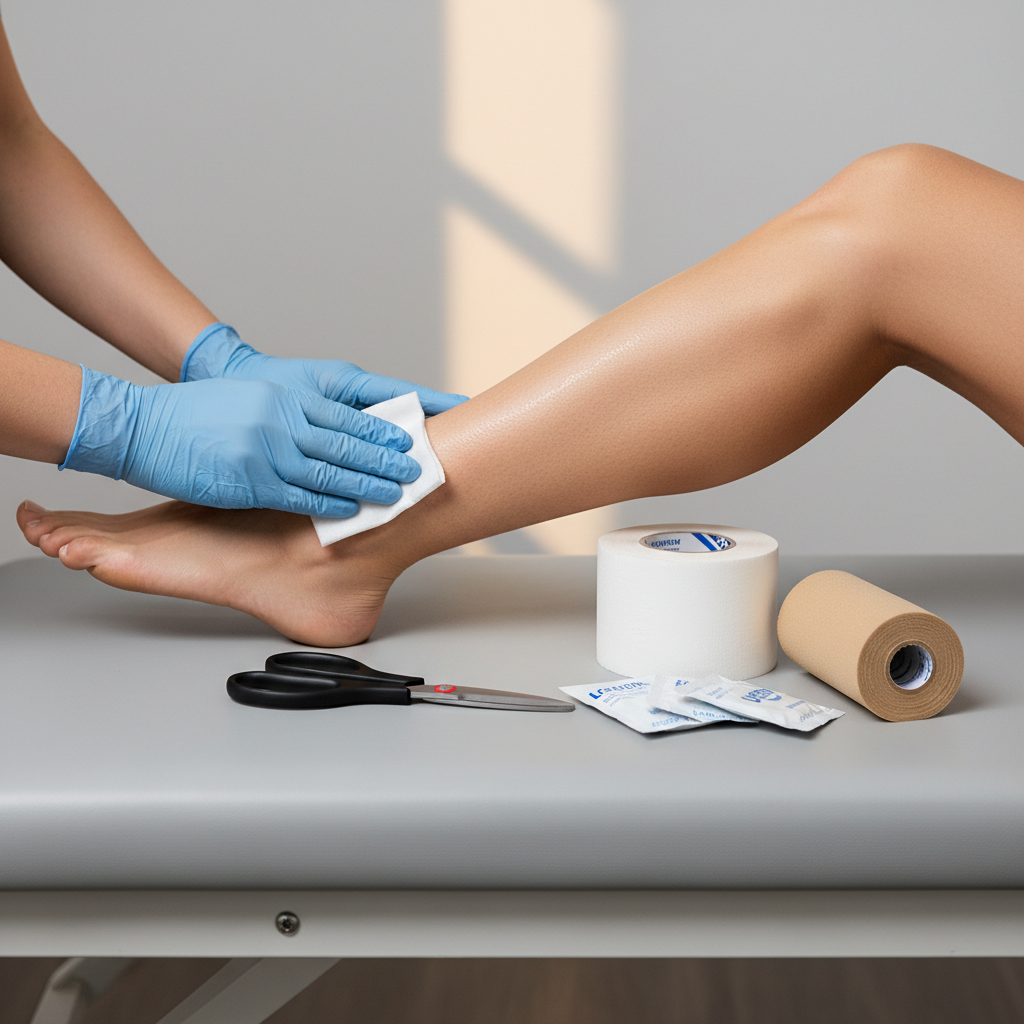
1) Prep the skin
- Clean and dry the area; skip lotion right before.
- If skin is sensitive, consider a light layer of underwrap, but avoid thick layers that make tape slide.
- Round tape corners with scissors; squared corners lift faster.
2) Choose a joint position you can repeat
- Ankles: typically a neutral position, not pointed down.
- Wrists: neutral, avoid extreme flexion/extension while taping.
- Knees: slight bend often reduces bunching behind the knee.
3) Use anchors, then build support
- Place one or two anchors on stable skin (less movement).
- Add strips that guide the joint away from the painful direction.
- Finish with a locking strip that doesn’t cut into skin folds.
4) Do a “two-minute test”
- Walk, jog, or do a few sport-specific movements.
- Check circulation: toes/fingers should stay warm and normal color.
- Check comfort: support should feel firm, not sharp or burning.
Sport and body-area tips (ankle, knee, wrist, shoulder)
Technique matters, but context matters too. Here are realistic shortcuts that often improve results without pretending there is one universal wrap.
Ankle
- Rigid tape tends to perform better for cutting and jumping.
- Expect some loss of support as you sweat; plan re-tape during tournaments.
- If you feel pinching at the front of the ankle, your foot position while taping may be too pointed.
Knee
- Knee taping can help with comfort and tracking cues, but it rarely “locks” a knee the way people imagine.
- Avoid laying rigid tape directly across the back of the knee under tension.
- If instability is the real concern, a brace and professional evaluation may be more appropriate.
Wrist and thumb
- Rigid athletic tape is common in basketball, football, and weight training when you want firmer limits.
- Make sure you can still grip and that fingertips remain normal color and temperature.
Shoulder
- Kinesiology tape is more common here because you need motion, not full restriction.
- Shoulder pain has many causes; if taping is your only strategy, you may stay stuck.
Mistakes to avoid (and safer habits that actually help)
A lot of “tape problems” are really habit problems. These are the ones that keep showing up.
- Leaving tape on too long: even if it still sticks, skin can get angry. Follow product guidance and remove if itching or rash starts.
- Chasing tightness: tighter is not automatically more supportive, it can just reduce comfort and circulation.
- Taping over open skin: blisters, cuts, or active rashes deserve proper care first.
- Ignoring pain signals: taping to “push through” sharp pain can backfire. Pain that changes your gait or grip deserves a rethink.
According to the Centers for Disease Control and Prevention (CDC), proper wound care includes keeping wounds clean and covered as appropriate; if you have broken skin, taping over it without protection can raise irritation or infection risk.
When to get help from a professional
If Athletic Tape turns into a weekly guessing game, getting a quick assessment can save time and frustration. A physical therapist, athletic trainer, or sports medicine clinician can usually spot whether the issue is joint instability, tendon irritation, nerve symptoms, or just a taping method mismatch.
- Seek evaluation sooner if you notice numbness, tingling, weakness, significant swelling, or repeated joint “giving way.”
- If you suspect a fracture, concussion, or serious ligament injury, skip taping as a solution and seek urgent care.
- If you have diabetes, circulation problems, or fragile skin, ask a clinician before frequent taping.
Key takeaways and a simple next step
Good taping is less about secret tricks and more about matching the tape type to your goal, prepping skin, and testing comfort before you go full speed. Keep expectations realistic: tape can support and protect, but it doesn’t replace rehab work when a joint truly lacks strength or control.
If you want a clean next step, pick one body area you tape most, switch to the tape type that matches your goal, then do a two-minute movement test every time before practice. Your skin and your joints tend to tell you quickly whether you nailed it.
FAQ
Is Athletic Tape the same as kinesiology tape?
People use the terms interchangeably, but they’re usually different products. Traditional athletic tape is often rigid and used to limit motion, while kinesiology tape stretches and is used more for comfort and movement cueing.
How tight should athletic tape feel?
Supportive and secure, not numb or throbbing. If you feel tingling, coldness, or see color change in fingers/toes, remove the tape and reapply with less tension or a different method.
Why does my tape peel off so fast when I sweat?
Oil, lotion, and heavy sweating reduce adhesion. Better skin prep, rounded corners, and letting the adhesive “set” briefly before intense movement often helps, though some sports simply require re-taping.
Can I sleep with tape on?
Many people prefer not to, especially with rigid tape, because swelling or position changes overnight can make it feel too tight. If you choose to keep it on, stop if discomfort, itching, or circulation symptoms show up.
What’s better for ankles: tape or a brace?
It depends on your sport, budget, skin tolerance, and how often you need support. Tape can feel more custom, while braces are quicker and more consistent day to day. If you’re taping constantly, a brace plus rehab work might be easier.
Does athletic tape help tendonitis?
It may reduce irritation by limiting painful motion or improving awareness, but tendon issues usually respond best to load management and progressive strengthening. If pain lingers, consider guidance from a clinician.
How do I remove athletic tape without wrecking my skin?
Peel slowly while pressing skin down, ideally after showering or with an adhesive remover. If you get repeated rashes, switching tape type or using an underlayer can be worth trying.
If you’re trying to keep training consistent without turning every session into a taping experiment, it often helps to standardize your setup: one tape type that fits your main use case, a basic skin-prep routine, and a simple movement test. If you’d rather not guess, a quick session with a physical therapist or athletic trainer can get you a repeatable method that fits your sport and body.