
Yoga Mat shopping for home practice usually gets frustrating for one reason: the mat that feels “fine” in a store can turn slippery, too firm, or too squishy once you start sweating, kneeling, and doing transitions on your own floors.
If you practice at home, you also deal with a few extra variables, hardwood vs carpet, limited storage, shared spaces, and the temptation to buy something cheap that you replace three months later.
This guide helps you choose based on how you actually practice, not just what a product page claims. You’ll get a simple decision checklist, a comparison table, and a few practical setup tips that make a bigger difference than most people expect.
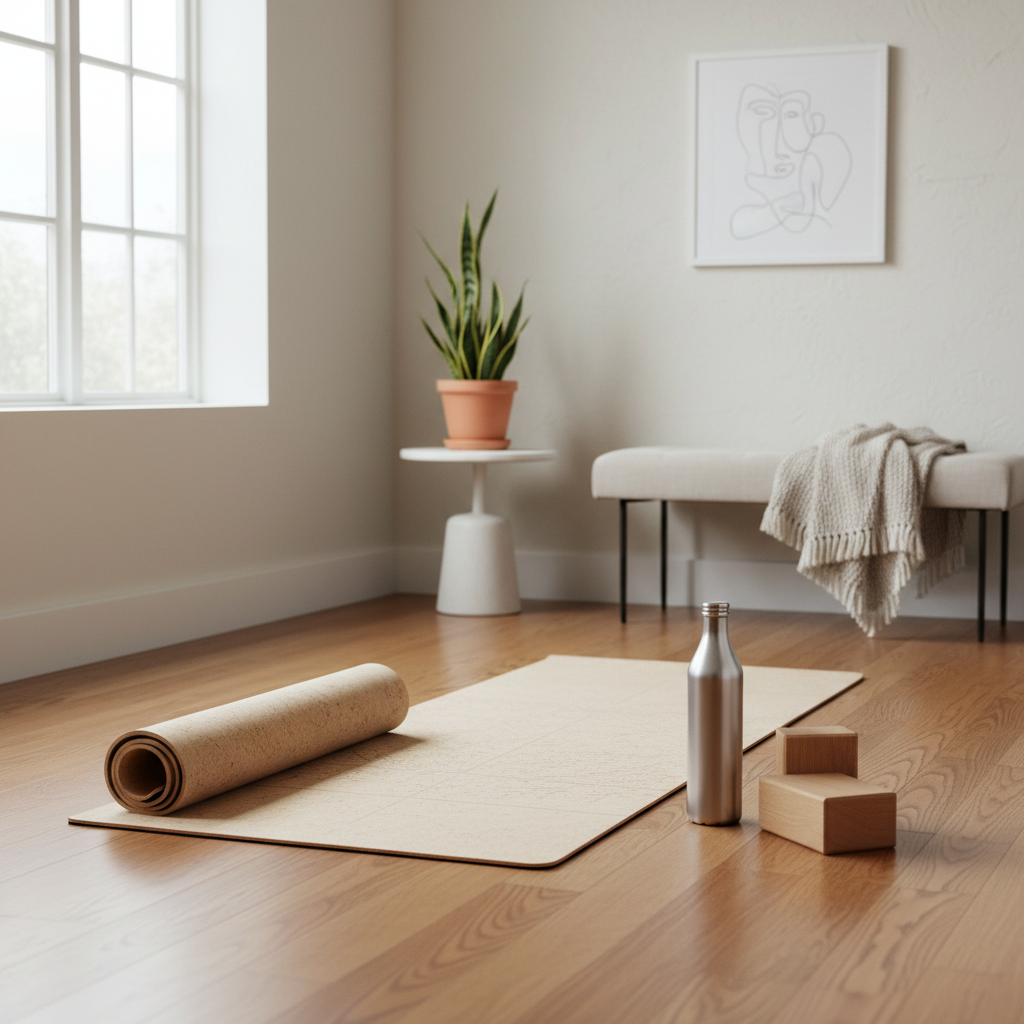
What really makes a yoga mat “best” for home use
At home, “best” usually means stable traction, comfortable joint support, and easy upkeep. Price matters, but if the surface makes you tense up, you pay for it in frustration.
Here are the factors that most directly change how a mat feels in real sessions.
- Grip (dry and wet): Dry grip helps in slower flows, wet grip matters once palms sweat. Some mats feel tacky at first, then get slick when damp.
- Thickness vs stability: More cushioning protects knees, but too much “give” can wobble your balance in standing poses.
- Material: This affects smell, durability, texture, and sometimes allergy sensitivity. It also drives cleaning needs.
- Floor type: A mat that behaves on carpet can slide on hardwood if the underside lacks traction.
- Weight and storage: If you actually roll it up daily, heavier mats can become a chore.
Quick comparison table: match the mat to your practice
Use this table as a starting point. Brand names vary, but the trade-offs tend to stay consistent.
| Practice style / need | Recommended thickness | Material direction | Why it works at home | Watch-outs |
|---|---|---|---|---|
| Vinyasa / sweaty flows | 4–5 mm | Natural rubber or PU top layer | More reliable wet traction, less hand slipping | Heavier, rubber can smell early on |
| Gentle yoga / stretching | 5–6 mm | TPE or cushioned PVC | Extra comfort for long holds and floor work | Too soft can feel unstable in standing balance |
| Bad knees / sensitive wrists | 6 mm (or 4–5 mm + knee pad) | TPE, cushioned rubber blends | More forgiveness on hard floors | Very thick mats can reduce feedback and alignment feel |
| Beginner, mixed practice | 4–6 mm | TPE or PVC | Balanced comfort and price, easy to find | Grip quality varies a lot by model |
| Small space / needs easy storage | 4–5 mm | Lightweight TPE | Rolls tight, easy to move and air out | May wear faster with frequent power transitions |
Material guide (and what it means for grip, smell, and cleaning)
Most “this mat is slippery” complaints come down to surface and material expectations. A few practical notes help you avoid mismatches.
Natural rubber
Often chosen for strong traction and a grounded feel, especially on smooth floors. It can start with a noticeable odor and may not suit latex-sensitive users.
PU (polyurethane) top layer
Common on performance mats because it tends to handle moisture better. Many people like the confident hand grip when sweaty, but it can show marks and needs gentle cleaning habits.
TPE
Typically lighter and easier to store, often more budget-friendly. Grip can be decent for home practice, but durability varies, so it helps to read wear-related reviews, not just “it’s pretty.”
PVC
Common in entry-level mats. It can be long-lasting, but the feel ranges from pleasantly cushy to “plastic and slidey,” depending on texture and finish.
According to EPA, indoor air quality can be affected by certain chemicals and ventilation. If you’re sensitive to smells, it’s reasonable to air out any new mat for a few days and keep a window open during early uses.
A quick self-checklist: choose your yoga mat in 60 seconds
If you answer these honestly, the “best yoga mat for home practice” usually becomes obvious.
- Do your hands slip in Downward Dog? If yes, prioritize a grippier surface or plan to use a towel for sweaty sessions.
- Do your knees complain during lunges and tabletop? If yes, go thicker or add a knee pad so you don’t sacrifice balance everywhere else.
- Are you on hardwood/tile? If yes, make sure the underside has strong floor traction.
- Do you practice in a shared space? If yes, weight and roll-up tightness matter more than you think.
- How often do you clean? If “rarely,” avoid materials that demand delicate maintenance.
How to pick thickness and size without overthinking it
Thickness is the classic trap: many people buy the thickest option, then wonder why balance feels off. For many home users, 4–5 mm hits a sweet spot.
Thickness rules of thumb
- 4–5 mm: Great all-around, usually stable for standing poses while still protecting joints.
- 5–6 mm: Better comfort for restorative work and floor sequences, can feel slightly less stable.
- 6+ mm: Niche, often best when paired with slower practice, or when comfort is the top priority.
Size tips that matter at home
- Length: If your feet or head regularly land off the mat in Savasana, size up.
- Width: Broader mats help if you have tight shoulders and wider hand placement, but they take more storage space.
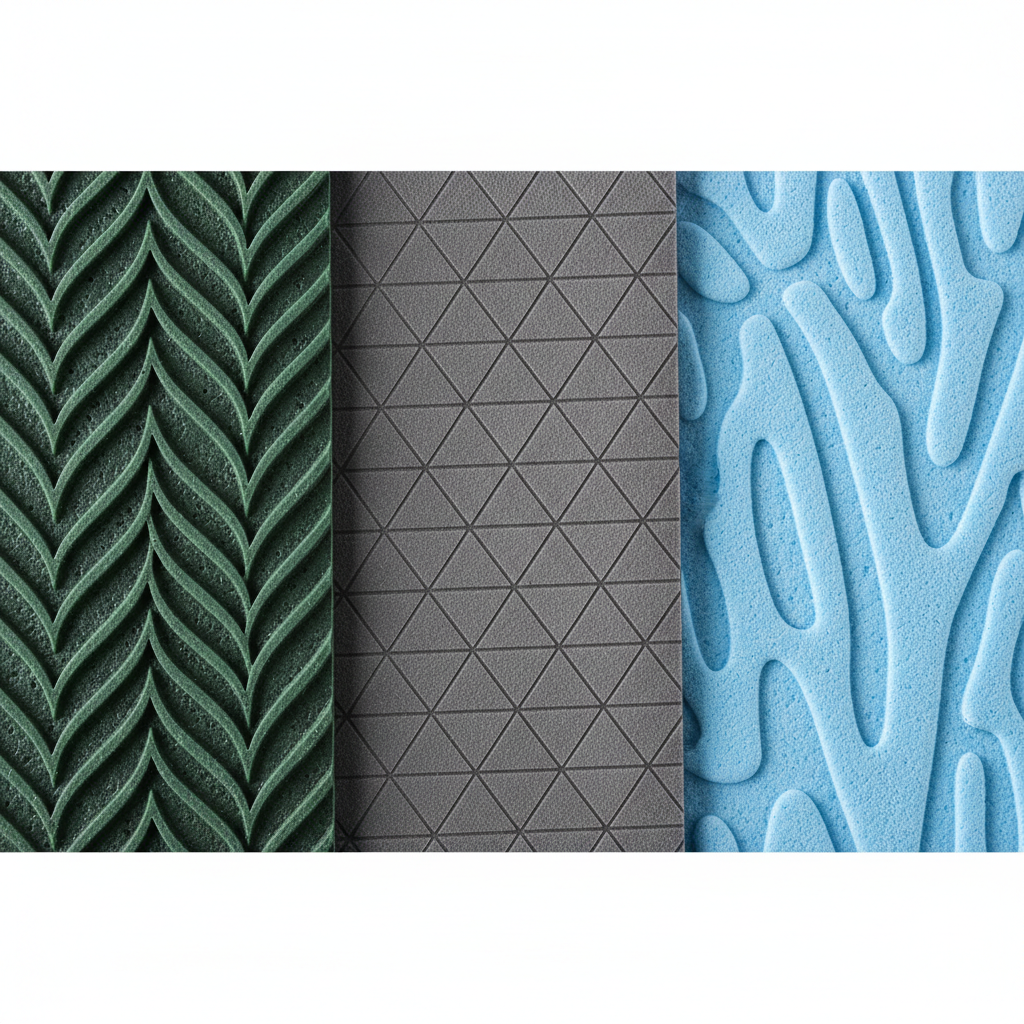
- Texture: Raised patterns can help grip, but can irritate sensitive skin during kneeling work.
Practical setup tips: stop sliding, reduce knee pain, make it feel “studio-like”
You can upgrade your home sessions without buying a new Yoga Mat every time something feels off.
For slipping on hardwood
- Put the mat on a thin rug or a dedicated non-slip underlay.
- Wipe hands, then lightly mist the surface with water for certain materials if the brand allows it, some grip improves with slight moisture.
- If sweat is the main culprit, place a towel where hands land, then reassess whether you need a mat with stronger wet traction.
For knees and wrists
- Add a knee pad or fold a small towel for tabletop and low lunge.
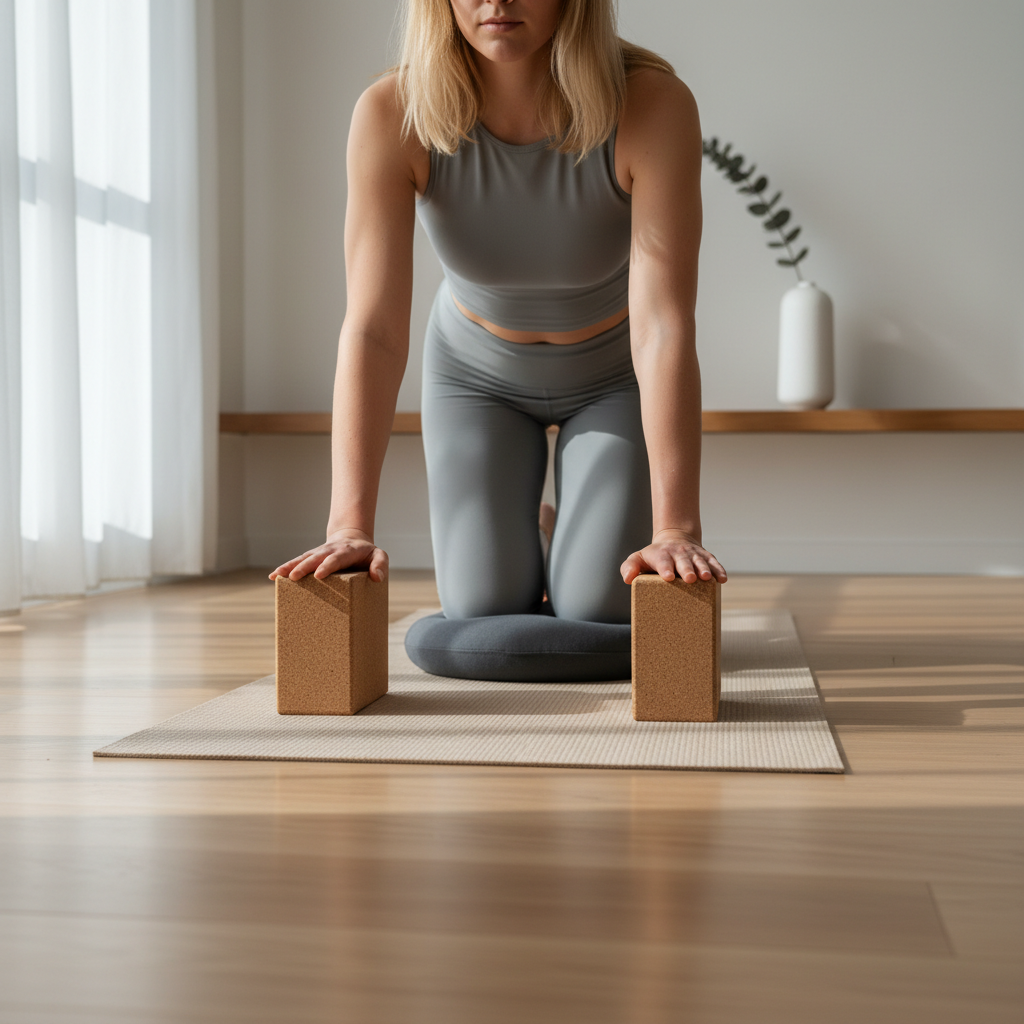
- Use blocks to reduce wrist extension in poses like Downward Dog and Plank variations.
- If pain persists or feels sharp, it’s smart to adjust with a qualified instructor or consult a healthcare professional, since technique and prior injuries can change the right fix.
For noise and neighbor-friendly practice
- A slightly denser mat can reduce thuds during step-backs.
- Slow transitions often solve more than extra padding.
Care, cleaning, and when to replace a home yoga mat
Home practice can be gentler than studio use, but sweat, skin oils, and dust still build up. Keeping the surface clean often improves grip more than people expect.
Simple cleaning routine
- After most sessions: quick wipe with a damp cloth, then air dry fully before rolling.
- Weekly (or as needed): mild soap diluted in water, wipe down, then remove residue with a clean damp cloth.
- Avoid: harsh solvents and heavy essential oils unless the manufacturer says it’s safe, some finishes break down and get slick.
Signs it’s time to move on
- Hands slip even after cleaning and drying.
- Edges curl and won’t settle, creating trip risks.
- Visible flaking or compressed “dead zones” where knees sink unevenly.
According to CDC, cleaning and hygiene habits help reduce spread of germs in shared environments. Even at home, a regular wipe-down is a reasonable baseline, especially if multiple people use the same mat.
Key takeaways and a practical recommendation
If you want the shortest path to a smart buy, pick your Yoga Mat by grip first, then thickness, then material. Most home practitioners do well with a 4–5 mm mat that has dependable traction on their floor type, and they add a small knee pad instead of going extremely thick.
- Sweaty flows: look for better wet traction, often rubber or PU-style surfaces.
- Joint sensitivity: aim for moderate cushioning plus targeted support accessories.
- Small spaces: prioritize lighter weight and easy roll-up, or you’ll avoid practicing.
If you’re deciding today, take two minutes: check your floor, check your sweat level, then choose thickness based on whether balance or cushioning matters more to you this month.
FAQ
What thickness yoga mat is best for home practice?
Many people land on 4–5 mm because it balances cushioning with stability. If knees hurt, consider 5–6 mm or add a knee pad so standing poses still feel steady.
Why does my yoga mat get slippery after a few weeks?
Build-up from sweat and skin oils can reduce traction, and some finishes become slick if cleaned with harsh products. A gentle clean and full air-dry often helps; if not, the surface may just not match your practice style.
Is a rubber yoga mat better than TPE?
It depends. Rubber often feels grippier and more grounded, while TPE is usually lighter and easier to store. If you practice hot or sweat a lot, rubber or PU surfaces often feel more secure.
Do I need a yoga towel on top of my mat at home?
If your hands slide once you sweat, a towel is a practical fix and cheaper than replacing a mat immediately. If you dislike the feel of a towel bunching up, you might prefer a mat designed for wet traction.
How do I stop my mat from sliding on hardwood floors?
Try a non-slip underlay or a thin rug beneath it, and make sure the underside is clean and dry. If the mat is lightweight with a smooth base, it may slide no matter what, in that case, switching materials can help.
How often should I clean a yoga mat used at home?
A quick wipe after sessions keeps grip more consistent, with a deeper clean weekly or when it starts to feel slick. If multiple people use it, cleaning more often is usually reasonable.
What’s the best yoga mat if I have sensitive knees?
A slightly thicker mat can help, but many people get better results by pairing a standard 4–5 mm mat with a knee pad for kneeling poses. Persistent pain deserves input from an instructor or a healthcare professional.
If you’re trying to narrow down options fast, start by listing your top two pain points, slipping hands, sore knees, limited space, then choose a Yoga Mat that solves those first, even if it means giving up a “nice-to-have” like ultra-lightweight or a specific color.