
Fitness Watch shopping gets messy fast because most models look similar on paper, but they behave very differently once you sweat, sleep, and wear them all day.
The good news is you don’t need to memorize specs to choose well, you just need to match the watch to how you actually move: walking, running, lifting, cycling, swimming, or simply trying to hit consistent activity minutes.
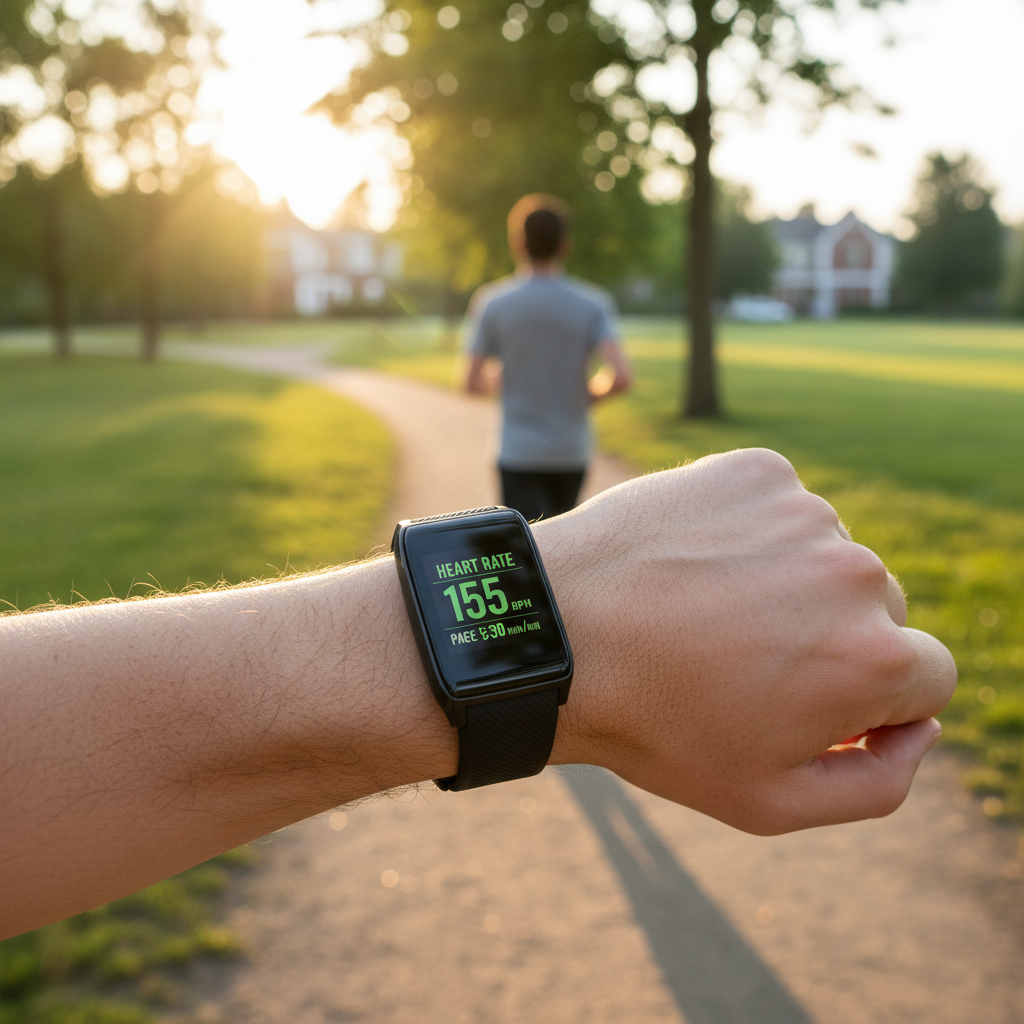
This guide focuses on what tends to matter in real use: sensor reliability, comfort, battery habits, and the app experience that turns raw numbers into decisions. I’ll also flag where “more features” often becomes “more friction,” because that’s where many buyers regret their pick.
What “activity tracking” really means (and what it doesn’t)
Activity tracking usually includes steps, distance, active minutes, calories (estimated), heart rate trends, and workout logs. Some watches add GPS routes, training load, recovery estimates, sleep staging, and stress prompts.
Two quick reality checks help keep expectations sane:
- Calories are estimates, useful for consistency trends, not precision dieting math.
- Wrist sensors vary by person; skin tone, tattoos, fit, sweat, and motion all can affect readings.
According to the U.S. Food and Drug Administration (FDA), many wearable features are considered wellness tools, not medical devices, unless explicitly cleared or approved for a medical purpose. Treat the watch as a coach, not a diagnosis.
Key buying criteria for the best Fitness Watch for activity tracking
When people say “best,” they often mean “most accurate,” but accuracy is only one piece. If the watch is annoying to wear or charge, you stop using it, and the best tracker becomes a drawer ornament.
1) Sensor quality and consistency
Look for solid optical heart rate performance during your main workouts. Many watches look fine at rest, then struggle with interval training or weightlifting because the wrist flexes and grip tension increases.
- If you do lots of intervals: prioritize watches known for stable high-intensity heart rate.
- If you lift: check whether it supports strength sets/reps logging you’ll actually use.
2) GPS reliability (if you run, hike, or cycle)
Built-in GPS reduces phone dependence and usually improves route quality. Multi-band or dual-frequency GPS can help in dense cities or tree cover, though it may cost more and use more battery.
3) Comfort and fit for all-day wear
A Fitness Watch that rides too loose causes noisy heart rate data, and too tight becomes distracting. For smaller wrists, case size and lug shape matter more than most reviews admit.
4) Battery habits
Battery life is less about the quoted number and more about your pattern:
- Using GPS daily drains faster.
- Always-on display looks great but costs hours.
- Sleep tracking means you charge during showers or desk time.
5) App, insights, and data ownership
The app is where you’ll interpret trends. A clean weekly report can be more motivating than endless charts. Also check export options (Apple Health, Google Health Connect, Strava) if you care about owning your history.
Quick self-check: which watch type fits you?
If you’re stuck between “smartwatch” and “sport watch,” answer these honestly. Most wrong purchases come from buying for an aspirational routine instead of the real one.
- I mainly want daily movement consistency (steps, active minutes, reminders) and simple workout logs.
- I run, cycle, or hike regularly and want reliable GPS routes and pace without my phone.
- I care about recovery and training structure (workout suggestions, load, readiness-style scores).
- I prioritize smartwatch features (calls, texts, apps) as much as fitness metrics.
- I hate charging and want a “set it and forget it” battery routine.
Generally, lifestyle-focused trackers win on comfort and ease, sport watches win on training tools and endurance, and full smartwatches win on convenience. The best Fitness Watch for you sits where those priorities overlap.
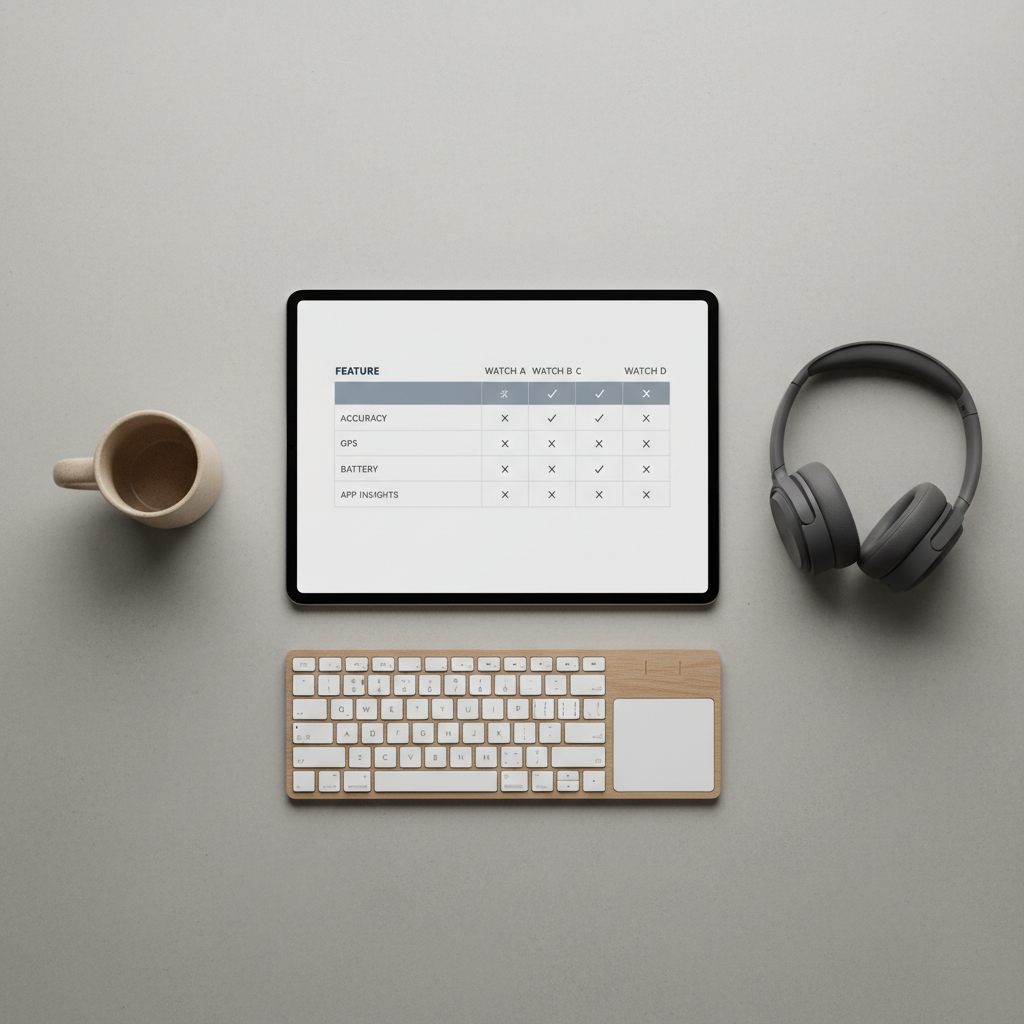
Feature comparison table (what to prioritize by scenario)
This isn’t a brand ranking, it’s a practical way to choose specs that match your use. If a row doesn’t matter to you, don’t pay for it.
| Scenario | Top priorities | Nice-to-have | Often overrated |
|---|---|---|---|
| Daily activity + general fitness | Comfort, reliable step/HR trends, good app insights | Sleep tracking, gentle reminders | Ultra-advanced training metrics |
| Running (3+ days/week) | GPS accuracy, pace stability, interval support | Structured workouts, race predictions | Dozens of sport modes you never use |
| Gym + strength focus | Heart rate stability, easy workout controls, durable build | Set/rep tools, recovery prompts | Step counts as a progress proxy |
| Outdoor hiking/cycling | Battery with GPS, map/navigation options, ruggedness | Altimeter, weather alerts | Animated coaching on tiny screens |
| Smartwatch-first lifestyle | Notifications, calling, app ecosystem, comfort | Music storage, wallet features | Chasing “perfect” VO2 estimates |
How to choose in 20 minutes (a practical checklist)
If you want a fast, low-regret path, do this before you buy. It’s boring, but it saves money.
- Write your top 3 activities you’ll track weekly (not yearly).
- Decide your charging tolerance: daily, every few days, or weekly.
- Pick your must-have integrations: Apple Health, Google Health Connect, Strava, MyFitnessPal, etc.
- Check wrist comfort: case size, band material, weight. If possible, try it on.
- Look for workout controls you’ll use: start/stop, lap button, auto-pause, voice prompts.
- Confirm water resistance if you swim or shower with it; follow the brand’s guidance for straps and buttons.
According to the Centers for Disease Control and Prevention (CDC), adults generally benefit from consistent physical activity as part of an overall health routine. A watch helps most when it supports consistency and awareness, not when it overwhelms you with numbers.
Setup tips that improve tracking accuracy right away
A lot of “this watch is inaccurate” complaints are really setup and fit issues. These adjustments often make a noticeable difference.
Wear it correctly
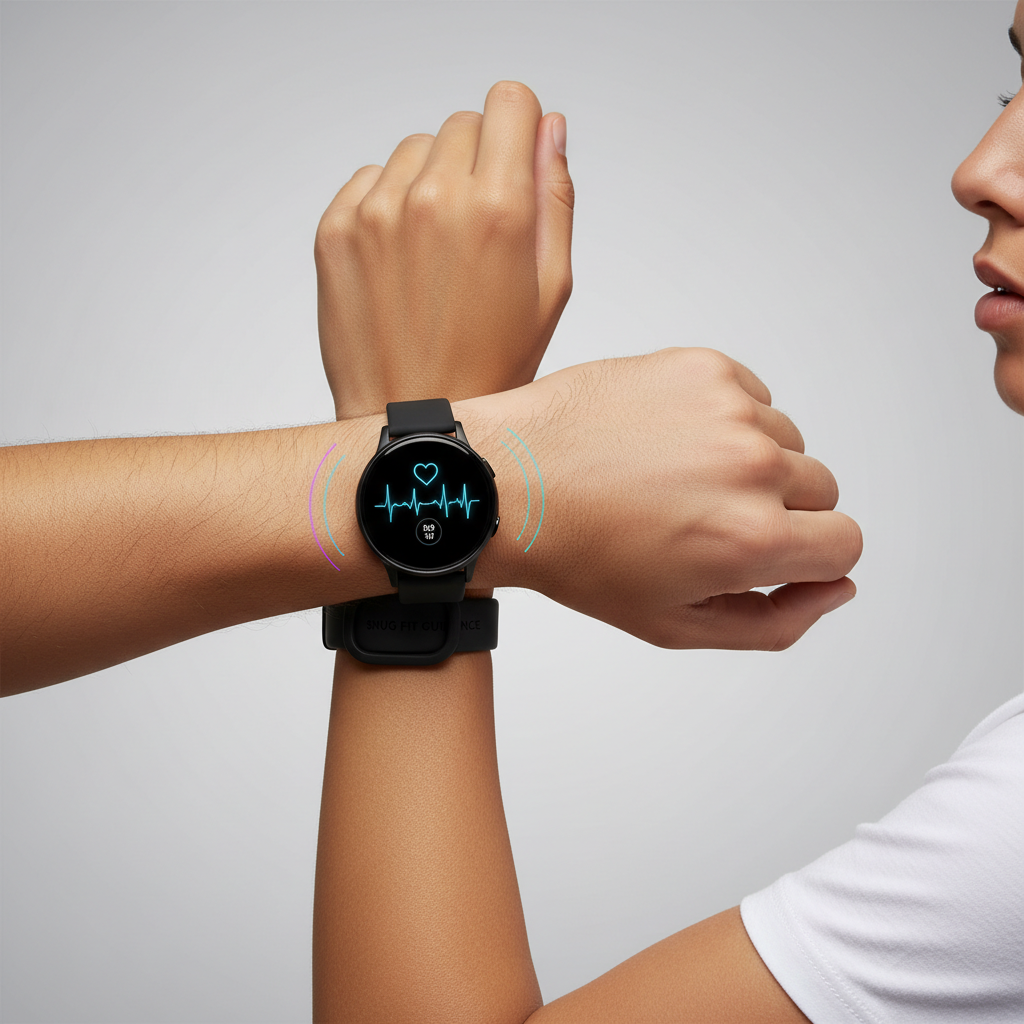
- Place the watch about one finger width above your wrist bone.
- Snug enough to avoid sliding, not so tight it leaves deep marks.
- For intervals or lifting, tightening one notch can help stabilize readings.
Calibrate the basics
- Set correct height, weight, age, and dominant wrist.
- If you run outdoors, do a few GPS runs in open sky to help route consistency.
- Turn on auto-detect workouts only if it matches your routine; false starts get annoying.
Use the right tool for the right workout
If heart rate accuracy during intense sessions matters a lot, pairing a chest strap or armband (when compatible) can be a better solution than swapping watches repeatedly. For some users, that combo becomes the “best Fitness Watch” setup because it balances convenience with better high-motion data.
Common mistakes that lead to buyer’s remorse
These show up constantly in returns and “help me choose” threads, and they’re surprisingly avoidable.
- Buying for the one marathon you might run instead of the 48 weeks you’ll mostly walk and lift.
- Ignoring comfort, then realizing sleep tracking feels impossible.
- Overvaluing feature count, undervaluing the quality of the app summaries.
- Assuming all GPS is equal; urban canyons and trails expose weak tracking fast.
- Chasing perfect metrics like VO2 max estimates, when trends matter more than single readings.
When you should get professional guidance
If you use activity tracking to manage a health condition, or you notice concerning symptoms during exercise, it’s safer to treat wearable data as a prompt for a real conversation. A Fitness Watch can support awareness, but it can’t replace a clinician’s judgment.
- Talk to a healthcare professional if you see persistent abnormal heart rate alerts, dizziness, chest pain, or fainting.
- If you’re returning to exercise after injury or a long break, a qualified coach or physical therapist can help build a plan that the watch can then reinforce.
Conclusion: picking the best Fitness Watch for you
The “best” option is usually the one you enjoy wearing, trust during your main workouts, and can keep charged without thinking too hard. Prioritize sensor consistency, comfort, and an app that makes the numbers actionable, then add GPS and advanced training tools only if your routine truly uses them.
If you do one thing today, make a short must-have list and compare watches against it, not against hype. Your future self will thank you when the watch still lives on your wrist three months from now.
FAQ
What should I look for in a Fitness Watch for activity tracking?
Start with comfort, battery habits, and the reliability of heart rate trends during your most common workouts. If you run or bike outdoors, add strong GPS to the must-have list.
Are fitness watch calorie burn estimates accurate?
They’re usually best treated as directional estimates. Many factors affect calorie calculations, so it’s smarter to watch week-to-week trends than to rely on single-session numbers.
Do I need built-in GPS, or is phone GPS enough?
Phone GPS can be fine for casual tracking, but built-in GPS is more convenient and often more consistent when you want pace, routes, and runs without carrying your phone.
Why does my heart rate spike or drop during certain workouts?
Wrist-based sensors can struggle with movement, grip tension, and sweat, especially during intervals and lifting. A tighter fit or an external heart rate strap may help if it keeps happening.
Is sleep tracking worth it?
For many people, yes, because it highlights patterns like short sleep windows or inconsistent schedules. Just remember sleep staging isn’t perfect, and the real value comes from noticing habits you can change.
How long should a Fitness Watch battery last for activity tracking?
It depends on GPS use, display settings, and whether you track sleep. Think in terms of your routine: if you’ll forget to charge daily, choose a model that comfortably lasts several days.
Can a fitness watch help me train safely?
It can help you pace sessions, spot overreaching patterns, and stay consistent, but it can’t judge pain, injury risk, or medical issues. If something feels off, it’s smart to consult a professional.
If you’re trying to narrow options and want a more “done-for-you” choice, list your top activities, phone type, and charging tolerance, then compare only the watches that match those constraints, it’s usually the quickest way to land on a Fitness Watch you’ll actually keep using.