
Best bike hook for wall mount shopping usually feels simple until you realize most complaints come from the same places: missed studs, inflated weight ratings, and hooks that quietly scuff rims or carbon frames.
If you want a wall setup you can trust day after day, the “best” hook is less about a brand name and more about matching your bike’s weight, tire width, wall type, and how you actually lift and park the bike.
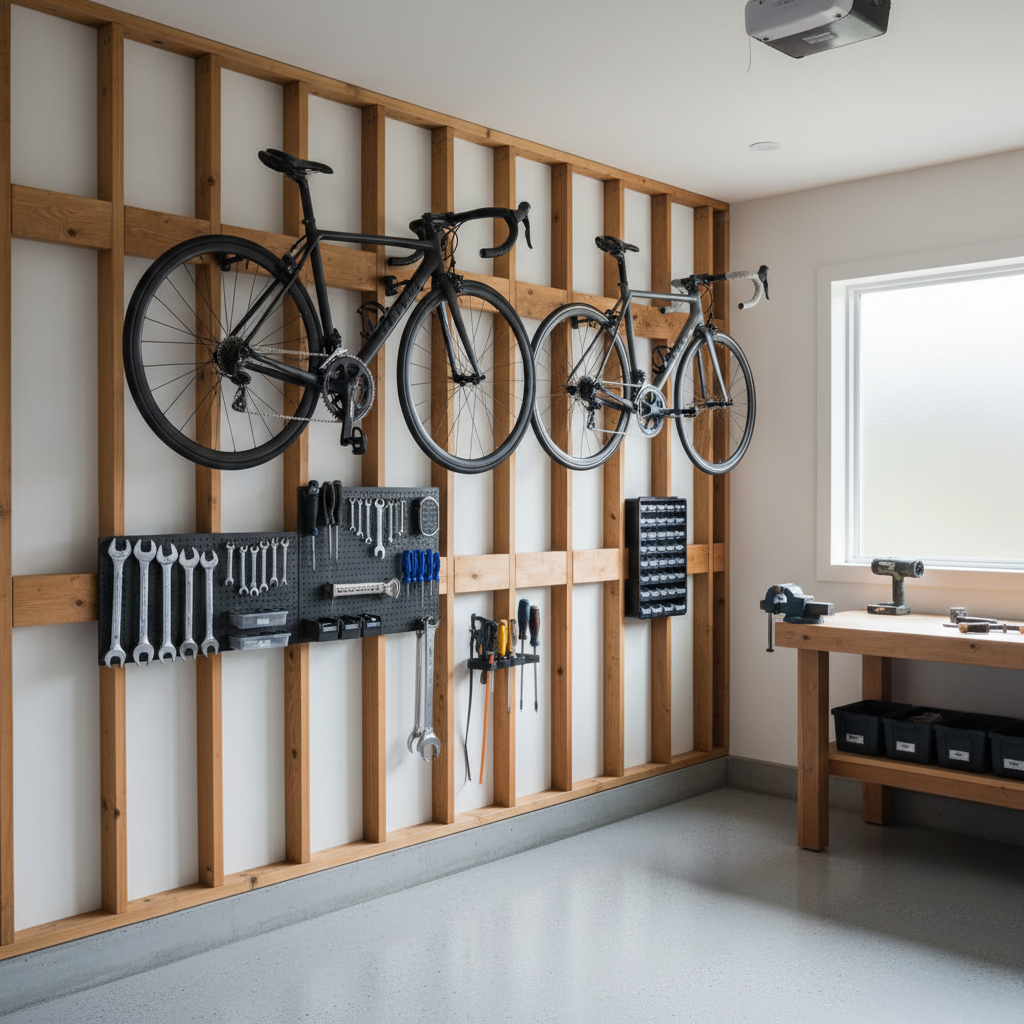
This guide breaks down hook styles that work well in many U.S. homes, a quick checklist to avoid the common mistakes, and practical install tips so your bike stays up and your drywall stays intact.
What “best” really means for a wall-mount bike hook
A wall hook can be “strong” and still be a bad fit for your situation. The goal is a stable hang, easy daily use, and low risk of frame or wheel damage.
- Bike type: road/gravel often hangs easily by the wheel, e-bikes and many MTBs often need higher-rated hardware or a different approach.
- Lift style: if you hate lifting, a hook that requires a high front-wheel raise might never get used.
- Wall structure: stud mounting behaves very differently from drywall anchors, masonry, or metal studs.
- Contact points: rubber-coated hooks help, but the shape matters too, especially with deep rims or fenders.
According to CPSC (U.S. Consumer Product Safety Commission) guidance on home product safety, secure installation and correct use reduce tip-over and falling-object hazards, which is the lens you should use here: “secure and appropriate,” not just “rated for 100 lb.”
Wall-mount bike hook types (and who they’re for)
Most wall storage options fall into a few patterns. Picking the right type is often the fastest path to the best bike hook for wall mount results.
Screw-in hooks (direct into stud or masonry)
- Good for: simple vertical wheel hang, lighter bikes, tight spaces.
- Watch for: cheap coatings that crack, narrow throats that pinch wide tires.
- Real-world note: many “garage hooks” are fine if they hit solid wood, but unreliable in drywall alone.
Plate-mounted hooks (hook + base plate)
- Good for: more stability, easier alignment across studs, cleaner load distribution.
- Watch for: thin plates that flex, tiny screws included in the box.
Rail/track systems (multiple bikes, flexible spacing)
- Good for: families, mixed bike sizes, changing layouts.
- Watch for: rails mounted only to drywall, hooks that slide too easily and collide bikes.
Pivoting/swivel hooks (bike sits angled)
- Good for: apartments or narrow garages where you need the bars to clear.
- Watch for: hinge play over time, bikes swinging into walls if not controlled.
Quick self-check: choose the right hook in 2 minutes
If you only do one thing before buying, do this checklist. It prevents the most common “this hook is terrible” scenarios.
- Your bike weight: estimate honestly, including racks, baskets, locks. E-bikes change the whole equation.
- Tire width: road 25–32mm, gravel 35–50mm, MTB 2.3–2.6 in, fat bike 4 in. Hooks vary a lot here.
- Rim depth and fenders: deep wheels and full fenders can sit awkwardly on narrow hooks.
- Wall type: drywall over wood studs, drywall over metal studs, concrete, brick, or block.
- Ceiling height and lift: can you comfortably raise the front wheel to hook height without twisting?
- Clearance: handlebar width, pedal strike, and whether the rear tire will rub the wall.
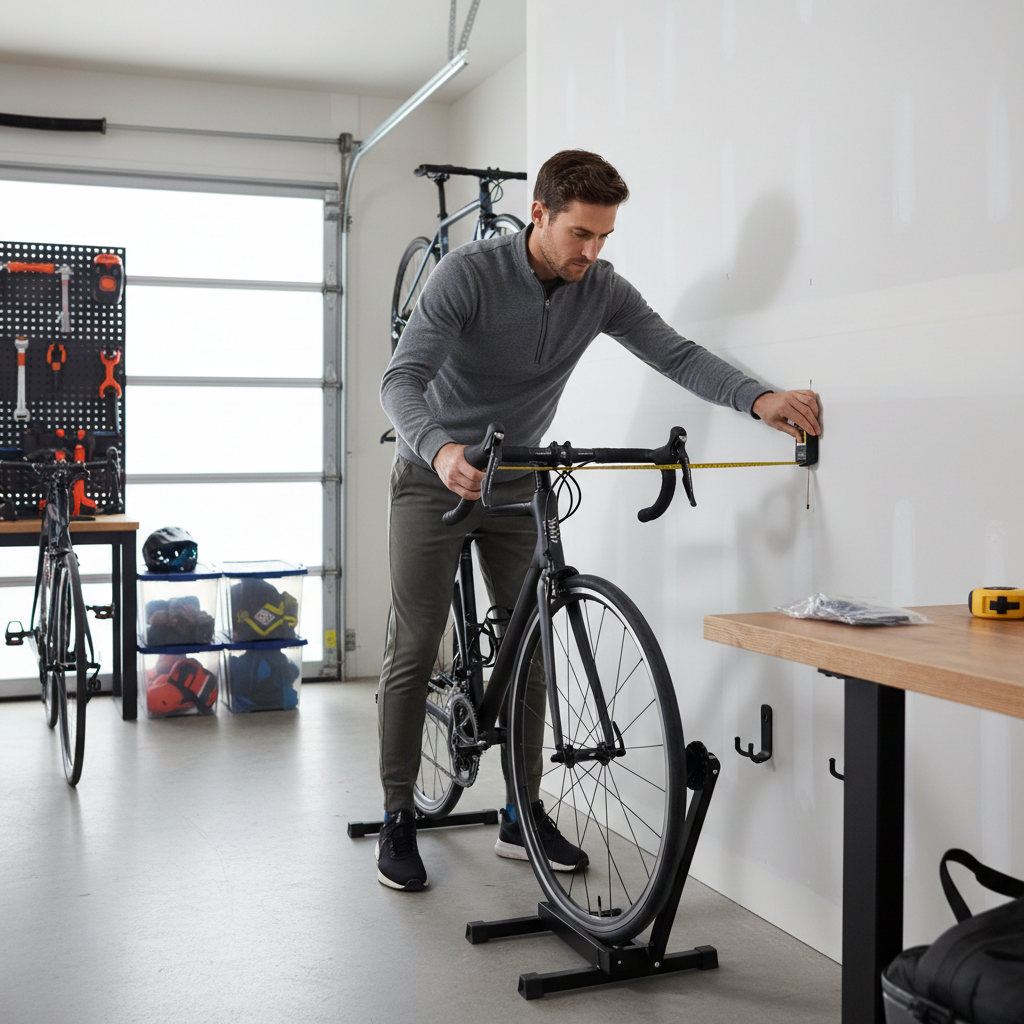
If this checklist flags two or more “complications” (heavy bike, wide tires, metal studs, limited lift), you may still use a hook, but you’ll want a higher-quality mount style, better fasteners, or even a small wall rack instead of a single screw-in hook.
Comparison table: what to buy for common U.S. scenarios
Here’s a practical way to narrow choices without over-optimizing. Consider it a short list of “works in many cases” setups.
| Scenario | Hook style that usually fits | What to look for | What to avoid |
|---|---|---|---|
| Single road/gravel bike, wood studs | Screw-in or plate-mounted | Thick steel, smooth rubber coating, wide throat | Small-diameter screw shank, sharp bends |
| 2–4 bikes, mixed sizes | Rail/track system | Rail hits multiple studs, adjustable hook spacing | Rail held mostly by drywall anchors |
| Apartment, narrow hallway/room | Pivoting/swivel hook | Controlled swing, padded contact points | Loose hinge, no tire stop |
| MTB with wide tires | Wide-cradle hook or plate-mounted | Wide opening, coating that won’t tear | Narrow hooks that pinch knobs |
| E-bike or very heavy commuter | Often not a simple hook | Wall rack rated for load, multiple points of support | Single small hook in one stud “because rating says so” |
Installation steps that make a hook feel “premium” (even if it’s not)
The best bike hook for wall mount performance often comes from the install, not the packaging. A solid hook installed poorly is still a bad setup.
1) Find structure first, then choose height
- Use a stud finder and verify with a small pilot hole if needed.
- Typical stud spacing in the U.S. is often 16 inches on center, but don’t assume.
- Set height so the rear tire clears the floor, but you’re not doing a deadlift every time.
2) Pre-drill correctly
- In wood studs, pre-drilling reduces splitting and helps the hook seat straight.
- In masonry, use the right bit and anchors rated for concrete/brick.
3) Upgrade the fasteners when it makes sense
- Many kits include “okay” screws, not great ones.
- If the mount uses a plate, consider quality lag screws sized to the holes and the stud depth.
4) Add wall protection where tires rub
- A small clear wall guard, a strip of PVC panel, or a simple mat can prevent black tire marks.
- If you rotate tires with sealant or road grime, this matters more than you think.
According to OSHA (Occupational Safety and Health Administration) guidance on safe storage and housekeeping, keeping items secured and walkways clear helps reduce trips and falling-object risks, which translates nicely to home garages packed with bikes and gear.
Common mistakes that cause most hook “failures”
This is the part people skip, then end up patching drywall on a Sunday night.
- Trusting drywall anchors for heavy loads: even when anchors hold briefly, repeated loading can loosen them. When in doubt, hit studs or use a system designed for your wall type.
- Mounting into the edge of a stud: the hook feels tight at first, then shifts. Center the stud whenever possible.
- Ignoring tire width: a narrow hook can deform a tire over time, and it’s annoying every single hang.
- Placing hooks too close: handlebars and pedals fight each other, paint gets scuffed, you stop using the storage.
- Hanging by a wheel without thinking about the bike: many bikes are fine, but if you’re worried about a specific carbon rim or an unusual wheel build, it’s reasonable to ask a shop what they recommend.
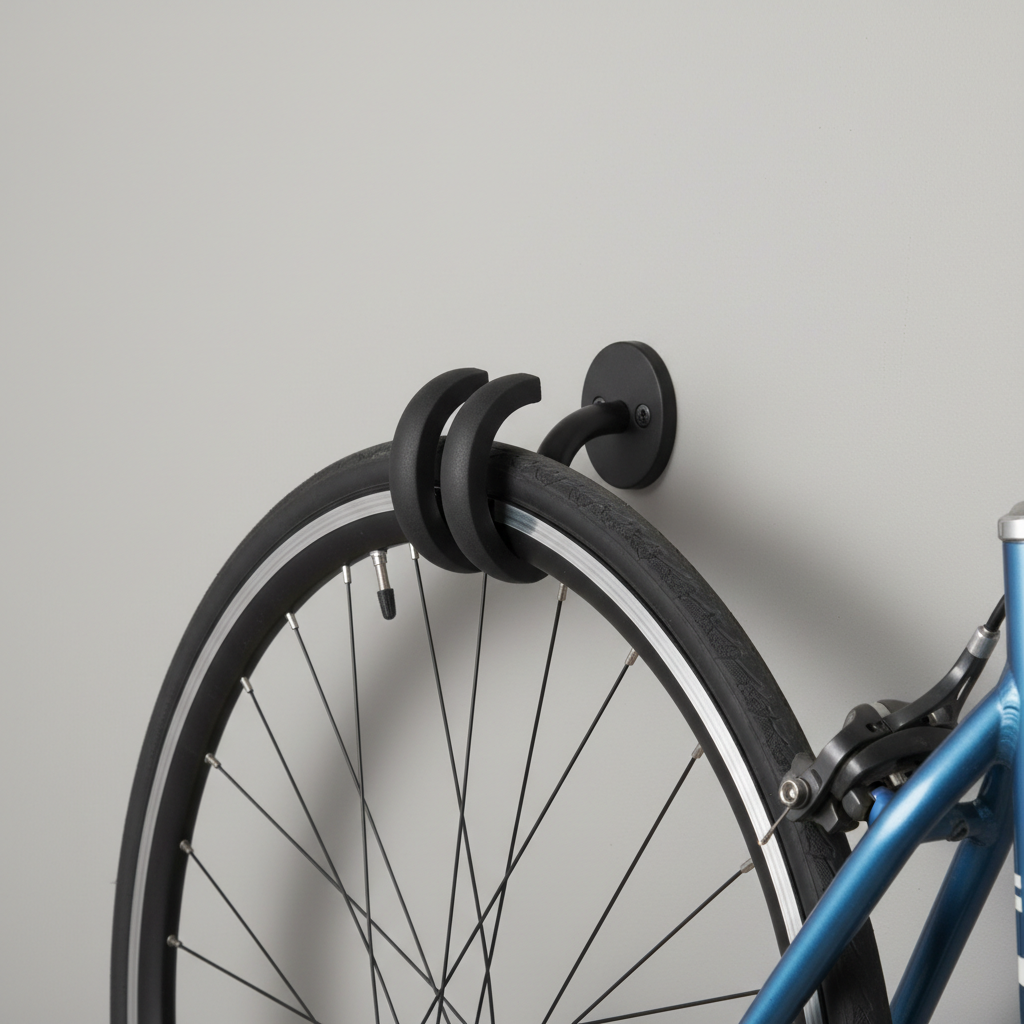
One more thing people underestimate: humidity and temperature swings in garages can age cheap rubber coatings faster, and once the coating cracks, rim scratches become much more likely.
Practical recommendations: how to pick your “best” hook in 2026
Instead of chasing a single winner, use these buying signals. They work across brands and price tiers.
- Prioritize mounting method over max rating: a realistic setup on studs beats a “200 lb” claim on drywall.
- Look for a wide, smooth cradle: it reduces pressure points on the tire and plays nicer with wider casings.
- Choose thick steel and a durable coating: thin wire hooks flex and can feel sketchy with heavier bikes.
- If storing multiple bikes, consider a rail: it’s easier to live with, and spacing changes as your garage changes.
- For heavy e-bikes, consider alternatives: a low-lift wall rack or floor stand may be safer and more realistic for daily use.
Key takeaway: the best bike hook for wall mount use is the one you can mount into real structure, at a height you’ll actually use, with a hook shape that matches your tire and rim.
When to get professional help (or at least a second opinion)
If any of these apply, asking a handyman, contractor, or local bike shop for quick guidance can save money and hassle. This is especially true if you rent and need to avoid wall damage.
- You have metal studs and you’re not sure what fasteners are appropriate.
- Your wall is old plaster, crumbly masonry, or a surface that doesn’t hold anchors well.
- You’re storing a heavy e-bike and the lift feels awkward or unsafe.
- You need storage in a high-traffic area where a falling bike could injure someone, in that case a more enclosed rack may be advisable.
When safety is a concern, it’s reasonable to be conservative, especially with higher loads over head height, and to consult a qualified professional if you’re unsure.
Conclusion: a wall hook should feel boringly secure
Once you match hook type to your wall and your bike, wall storage stops being a “project” and becomes a habit. Measure the tire, confirm structure, buy a hook with a shape that fits, then install it like it matters, because it does.
If you want a simple next step, pick one bike, mount one hook into a stud, live with it for a week, and only then scale to a multi-bike rail if the routine feels good.
FAQ
What is the best bike hook for wall mount storage in a garage?
For many garages with wood studs, a thick steel hook with a wide, rubber-coated cradle mounted directly into a stud works well. If you’re storing multiple bikes, a rail system anchored into several studs often feels more stable and easier to organize.
Can I mount a bike hook into drywall without a stud?
Sometimes, but it’s risky for heavier bikes and repeated use. Some anchors are rated for high loads, yet real life adds sideways forces and “yank” moments when you hang a bike; if you can’t hit a stud, consider a rack designed for your wall type or consult a pro.
Is it safe to hang a bike by the wheel?
Many bikes tolerate wheel hanging fine, but edge cases exist, like certain carbon rims, deep aero profiles, or unusual builds. If you have doubts about your specific wheels, a local bike shop can usually give a practical recommendation.
How high should a wall hook be for vertical bike storage?
High enough that the rear tire clears the floor, low enough that you can lift comfortably without twisting. A good rule is to test-lift the front wheel to a few heights with painter’s tape marks before drilling.
Why does my bike hook squeak or feel loose over time?
It’s often the fasteners settling, a hook not centered in the stud, or a coating that’s degrading. Re-check tightness, inspect the wall for cracking, and consider upgrading screws or moving the mount to a better stud location.
What hook works for wide MTB or fat bike tires?
Look for hooks explicitly shaped for wide tires, with a wider opening and deeper cradle. Narrow hooks can pinch knobs, making the hang annoying and sometimes unstable.
Do I need a rail system, or are individual hooks fine?
Individual hooks are simple and cheap for one or two bikes. Rails shine when you have multiple bikes, changing spacing needs, or you want the wall to look tidy without handlebars colliding.
If you’re trying to choose between a simple hook and a rail setup, it often helps to map your wall studs and your bike lineup on paper first, then buy for the layout you’ll actually maintain, not the one that looks perfect on day one.