
Best cycling knee pads for protection isn’t about buying the bulkiest pad, it’s about matching impact coverage, comfort, and stability to how you actually ride, because a pad that slides down or pinches behind the knee won’t get worn on real rides.
If you’re shopping for 2026, you’ll notice most “top lists” blur together, and the tricky part is you can’t judge protection from a product photo, especially when foam thickness, sleeve tension, and cap design change how a pad behaves in a crash.
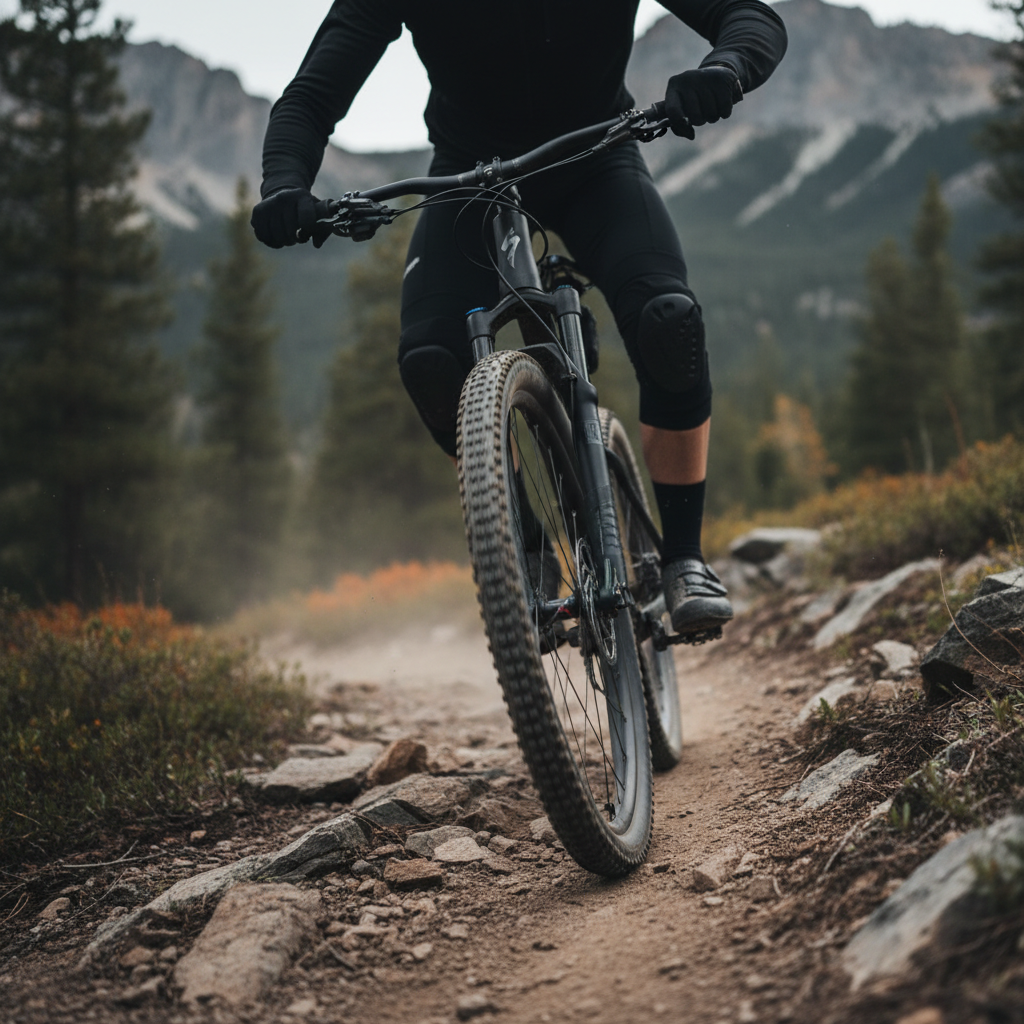
This guide helps you make a clean decision: what to prioritize for commuting, gravel, XC, trail, enduro, or e-bike speeds, how to check fit at home, and when it’s worth stepping up to higher-certified protection.
What “protection” really means for cycling knee pads
Knee pads protect in two common ways: they reduce impact force when you hit the ground, and they reduce abrasion when you slide. Many pads do one well and the other “okay,” so you’re choosing tradeoffs.
- Impact absorption: Foam (often viscoelastic) disperses force. Some pads add a hard or semi-hard cap that helps with sharp hits.
- Abrasion resistance: Face fabrics, caps, and overlays resist tearing when you slide on dirt or asphalt.
- Coverage and stability: Protection only counts where you land, and only if the pad stays centered on the kneecap.
According to EN 1621-1 (a widely used European protective gear standard), certified limb protection is tested for impact performance. Not every cycling pad is certified, and that’s not always “bad,” it just means you’re relying on design claims rather than a standardized test.
Quick picks: best options by riding style (without brand hype)
Instead of pretending one product fits everyone, use this as a shortlist of “pad archetypes” that usually work best in each scenario. Then you can compare actual models that match the same idea.
| Riding style | What to prioritize | Pad type that usually fits |
|---|---|---|
| Road / commuting | Low bulk, pedaling comfort, packability | Light sleeve, thin foam, minimal side coverage |
| Gravel / bikepacking | All-day comfort, breathability, easy on/off | Medium sleeve, moderate foam, durable face fabric |
| XC MTB | Ventilation, freedom of movement | Ultralight trail sleeve, flexible pad insert |
| Trail MTB | Balanced protection + pedaling, stable fit | Midweight sleeve, decent side coverage, grippy cuffs |
| Enduro / park | Impact performance, coverage, anti-slip security | Certified pad, thicker foam, optional cap or reinforced face |
| E-bike (higher avg speeds) | Impact + abrasion, secure retention | Mid-to-heavy pad, tougher outer, strong cuff grip |
If your goal is the best cycling knee pads for protection in the strict sense, you usually land in the trail-to-enduro categories, because that’s where coverage, stability, and tougher materials show up.
Why knee pads fail in real life (the stuff reviews skip)
Most disappointments come from fit and use, not from the foam “being bad.” Here’s what tends to go wrong.
- They slide down: Thigh-to-calf taper varies a lot, and sleeve tension that feels fine standing can drift while pedaling.
- They rotate: Not enough pre-curving, weak grippers, or the pad sits too low and spins off-center.
- Hot spots behind the knee: Thick neoprene panels or poorly placed seams cause rubbing, especially on long climbs.
- Wrong protection zone: Some pads protect the front well but ignore side impacts, which are common in low-speed tip-overs.
- “Armor you won’t wear”: If it feels like a chore to put on, you’ll “just skip it” on quick rides, which defeats the point.
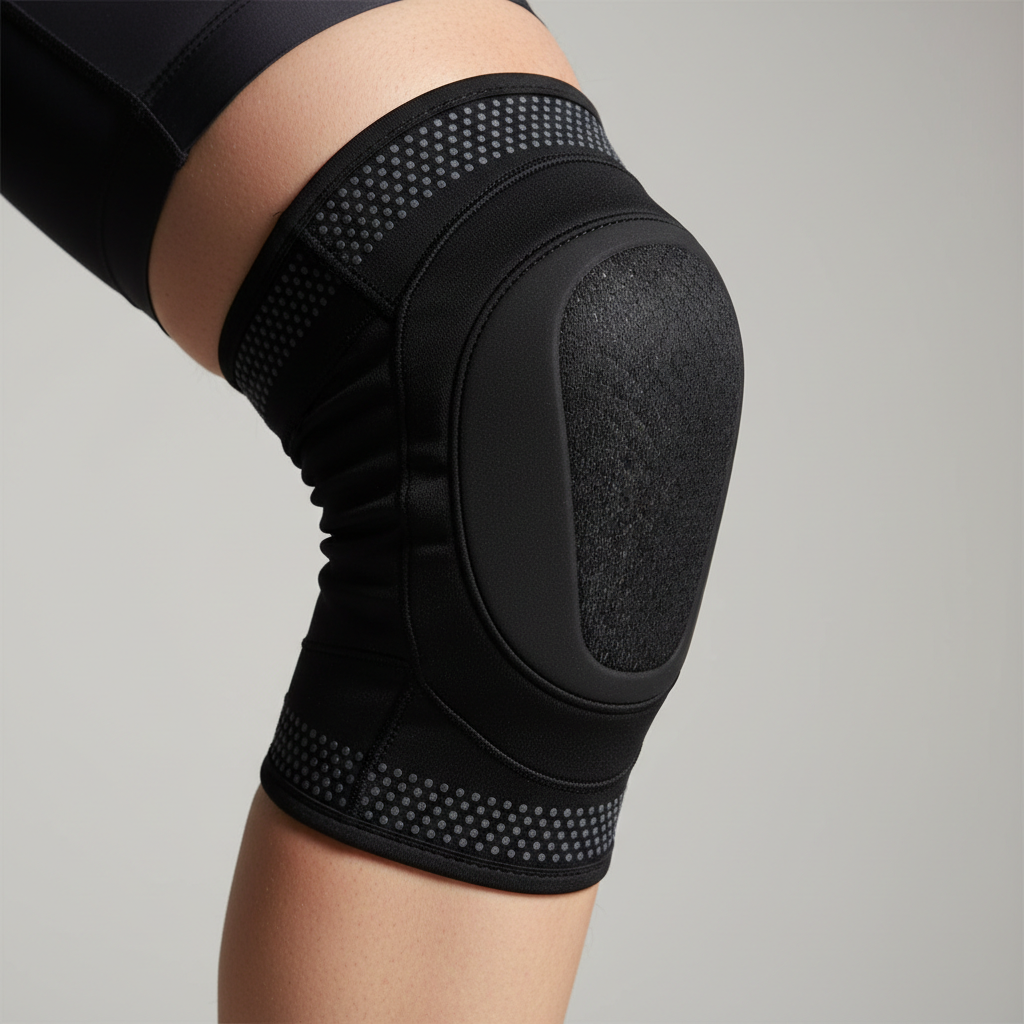
One more reality check: crash type matters. A mellow dirt slide asks for abrasion resistance, while a sharp rock strike asks for impact management and coverage over the sides.
Self-check: choose the right protection level in 3 minutes
If you’re torn between lightweight sleeves and burlier pads, answer these honestly. Your “ideal pad” becomes obvious fast.
Your riding and terrain
- Do you regularly ride loose-over-hard, rocks, roots, or concrete paths?
- Do you ride fast descents where a knee strike is plausible?
- Do you ride solo where a small injury becomes a bigger problem?
Your tolerance for bulk
- Will you actually pedal in them for 60–120 minutes, or do you want to stash them?
- Do you hate heat build-up behind the knee?
Fit “risk factors”
- Do sleeves usually slide on your legs (common with narrow calves or larger quads)?
- Do you sit between sizes often?
If you answer “yes” to speed/rocks and also have fit risk factors, it’s usually worth prioritizing stability and coverage over shaving a few ounces, that’s where many “best cycling knee pads for protection” purchases succeed or fail.
How to shop smarter in 2026: features that actually matter
Marketing terms vary, but the functional checklist stays consistent. This is what I’d look for on product pages and in photos.
- Protection material: Viscoelastic foams often feel softer at rest and firm up on impact. Hard caps can help with sharp objects but may feel bulky for long pedals.
- Side coverage: Look for wraparound padding or shaped foam that protects the knee’s outer edge.
- Pre-curved shape: A pad shaped for a bent knee usually stays put and reduces bunching.
- Retention design: Wide grippers, supportive cuffs, or strap-assist designs help prevent sagging. If you’ve had slipping issues, this matters more than foam branding.
- Breathability where it counts: A vented back-of-knee panel often beats “more holes in the front.”
- Durable face fabric: If you ride on mixed surfaces, tougher outer fabrics help pads survive slides.
- Certification (optional but useful): If a model lists EN 1621-1 Level 1 or Level 2, you at least know it met a test method. Choose based on comfort and fit too.
According to NHTSA, protective gear works best when it fits properly and is worn consistently; while their focus is motor vehicles, that principle maps well to cycling pads in the real world.
Fit and setup: the at-home test that saves returns
Before you commit, do a quick check at home. It’s boring, but it prevents the classic “felt great standing up, awful riding” problem.
Step-by-step fit test
- Center the pad: Kneecap should sit in the middle of the impact zone, not near the top edge.
- Pedal simulation: Sit on a chair, bend your knee like you’re at the top of a pedal stroke, then hold for 60 seconds. Watch for circulation pinch or numbness.
- Slide test: Stand, do 10 air squats, then jog in place for 30 seconds. If it drifts or rotates now, it will drift outside.
- Chafe check: Feel behind the knee for seam pressure. A small rub indoors can turn into a raw spot outdoors.
If you’re between sizes, many riders do better sizing down for stability, but only if you don’t get tingling, numbness, or obvious pressure lines. When in doubt, a local shop fitting helps, and if you have circulation issues, it’s smart to ask a medical professional.
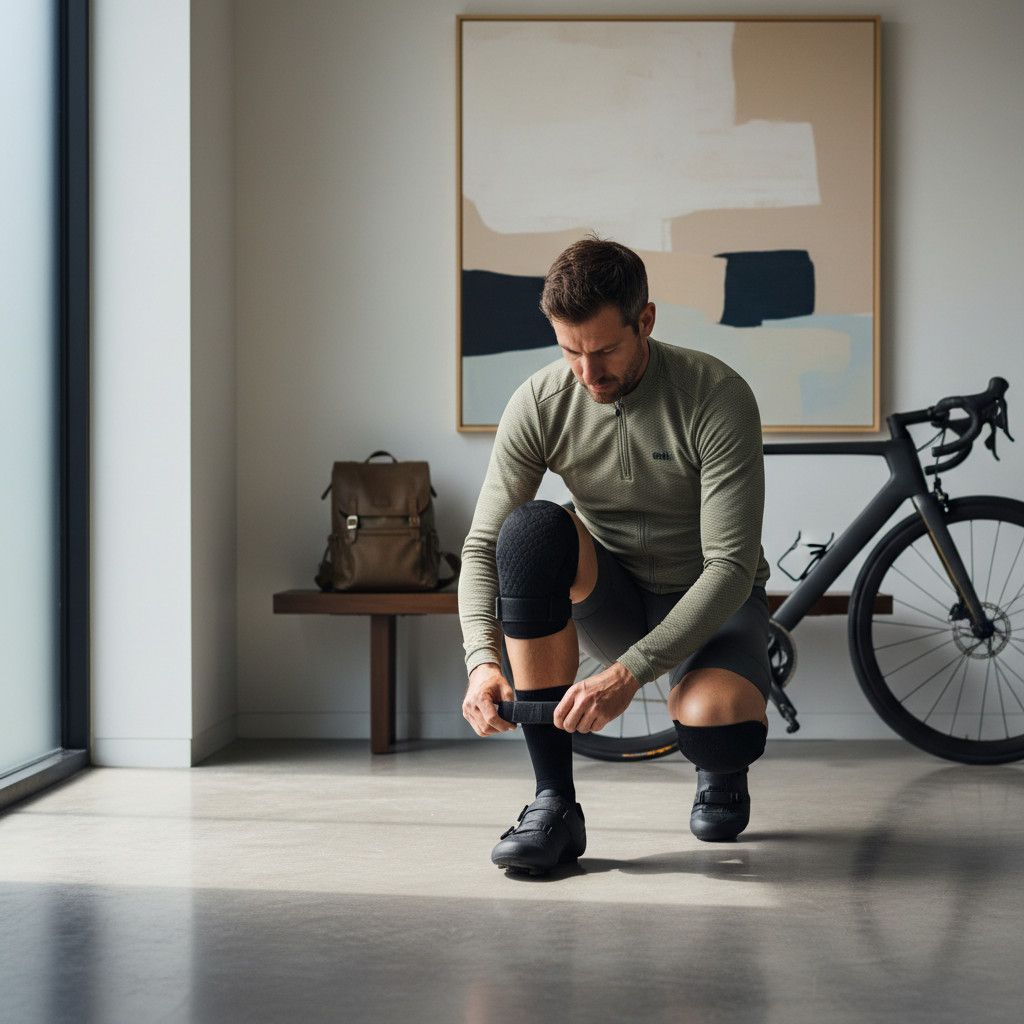
Key point: if the pad only feels “okay” indoors, it often feels worse on a hot climb. Comfort isn’t a luxury feature, it’s what makes you wear protection consistently.
Real-world recommendations: matching solutions to common scenarios
Here are practical setups that tend to work, depending on what you’re trying to solve. Use these as patterns, then compare products within that pattern.
If you want protection but hate bulky gear
- Choose a light-to-mid sleeve with a flexible pad insert
- Prioritize a smooth inner fabric and a vented back panel
- Accept that hard-cap impact protection may be limited
If pads keep sliding down on climbs
- Look for stronger upper grippers or a design with strap assistance
- Try a model with more pronounced pre-curve
- Wear them directly on skin; fabric-on-fabric often slips
If you ride rocky trails or bike parks
- Consider EN 1621-1 certified pads, especially for repeated impacts
- Choose more side coverage and a tougher outer face fabric
- Be honest about heat management, bring them and put on for descents if needed
If your rides mix pavement and dirt
- Pick a durable face fabric with a moderate foam thickness
- Make sure the pad doesn’t squeak or bind while pedaling, small annoyances get big on long rides
When people ask for the best cycling knee pads for protection, they often mean “the ones I’ll actually keep wearing,” and that’s usually a stable midweight trail pad or a certified enduro pad you can tolerate for at least part of the ride.
Mistakes to avoid (they cost money and skin)
- Buying by thickness alone: Foam feel doesn’t automatically equal crash performance, and thick pads that migrate can expose the kneecap at impact.
- Ignoring side hits: A lot of tip-overs land on the outer knee edge, not the center.
- Over-tightening: Chasing “no slip” can create numbness; if that happens, stop using the pad and reassess sizing.
- Skipping maintenance: Dirty grippers lose bite, and stretched sleeves stop holding position.
- Assuming certification solves everything: It’s helpful, but fit, coverage, and real comfort still decide the outcome.
According to CPSC, protective equipment is part of a broader safety approach, and riders should select gear appropriate to the activity and conditions. Knee pads can reduce injury severity in many situations, but they can’t remove risk, especially at higher speeds.
Conclusion: how to pick your “best” knee pads for 2026
If you want a decision you won’t regret, start with your most common crash risk, rock strikes, slides, or higher-speed impacts, then pick a pad type that matches it and passes the at-home fit test. After that, fabrics and small design details decide whether you love the pad or quietly stop wearing it.
Action steps: pick a protection tier (light, mid, certified), measure and test fit for slip and pinch, then commit to wearing the pad on the rides where you know you push it. That’s the simplest path to best cycling knee pads for protection in real-world terms.
FAQ
What are the best cycling knee pads for protection on rocky trails?
Many riders do well with midweight trail pads that include side coverage, and for sharper impacts, EN 1621-1 certified options can be worth considering if you can tolerate the bulk and heat.
Are hard-cap knee pads better than soft pads for biking?
Hard caps can help with sharp impacts and abrasion, but they often feel bulkier and may shift if the sleeve fit isn’t right. Soft pads usually pedal more comfortably, so they get worn more often.
How tight should cycling knee pads fit?
Snug enough that they don’t drift after a few squats, but not so tight you get tingling, numbness, or deep pressure marks. If you feel circulation issues, stop and reassess sizing or ask a professional.
Do I need EN 1621-1 certified knee pads for mountain biking?
Not always. Certification can add confidence for higher-risk riding like park days or enduro speeds, but a well-fitting non-certified trail pad may still be the practical choice for long pedaling days.
How do I stop knee pads from sliding down while pedaling?
Look for stronger grippers and better pre-curving, and wear them on skin rather than over tights when possible. If you’re between sizes, the smaller size can help, as long as you avoid numbness.
Can I use volleyball or skate knee pads for cycling?
You can, but they often lack the pedaling-friendly shape and breathability that cycling designs prioritize, and some have bulky caps that feel awkward on long rides.
How do I wash cycling knee pads without ruining them?
Most do best with gentle washing and air drying, because heat can damage elastic and grippers. Check the label, and avoid high-heat dryers if you want the fit to last.
If you’re trying to narrow down the best cycling knee pads for protection for your exact riding mix, it usually helps to list your terrain, typical ride length, and your biggest comfort complaint, then compare only the pad styles that solve that specific problem instead of shopping every model on the wall.