
Workout recovery tips matter most on the days you want to train again but your body feels heavy, sore, or strangely “off.” If you ignore that signal, progress often slows, and little aches can stick around longer than they should.
Recovery is not just “rest.” It is the mix of sleep, nutrition, hydration, smart movement, and load management that helps muscles repair and your nervous system reset. Do it well and workouts feel more consistent; skip it and you may feel like you’re always catching up.

One misconception I see a lot is people chasing one “magic” tool, like an ice bath or massage gun, while sleep and food stay chaotic. This guide keeps it practical, what tends to move the needle quickly, what is optional, and how to tell which recovery lever you actually need.
What your body is trying to do after a workout
Training creates stress on purpose, tiny muscle damage, depleted glycogen (stored carbs), fluid loss, and a nervous system that has to downshift. Recovery is the window where your body adapts, rebuilding tissue and restoring energy so you come back stronger.
According to the American College of Sports Medicine (ACSM), recovery includes both replenishing fuel and allowing time for repair between training sessions. That sounds obvious, but in real life it means your “next workout” starts right after the current one ends.
Practically, most people feel the after-effects in three places:
- Muscles: soreness, tightness, reduced range of motion
- Energy systems: heavy legs, low pop, slower pace at the same effort
- Brain and mood: irritability, poor sleep, low motivation
Quick self-check: which recovery problem do you have?
Not all “I feel wrecked” is the same. Use this quick check to match the fix to the issue, because random recovery habits waste time.
Fast checklist
- Mostly sore (DOMS): pain peaks 24–72 hours after, movement feels stiff but improves once warm
- Mostly drained: low energy, unusually high heart rate on easy work, cravings, sleep feels shallow
- Mostly tight/irritated: one spot feels “pinchy,” sharp, or gets worse as you train
- Mostly under-fueled: you trained hard, then forgot to eat, or you “ate clean” but too little
- Mostly under-slept: you wake up unrefreshed, caffeine climbs, workouts feel harder than normal
If you identify with more than one, that’s normal. Pick the top two and focus there for a week instead of adding five new routines at once.
Non-negotiables: sleep, hydration, and post-workout fuel
If you want reliable workout recovery tips, start here, because these basics usually outperform the flashy stuff. People often do them “kind of,” then wonder why soreness sticks around.
Sleep: the closest thing to a recovery multiplier
According to the National Sleep Foundation, adults generally need 7–9 hours of sleep, and athletes often benefit from the upper end depending on training load. If you can’t add hours tonight, you can still improve quality.
- Keep it boring: similar bedtime and wake time most days
- Protect the last hour: dim lights, lower stimulation, lighter meals if reflux is an issue
- Room setup: cooler temperature, darker space, phone out of arm’s reach if possible
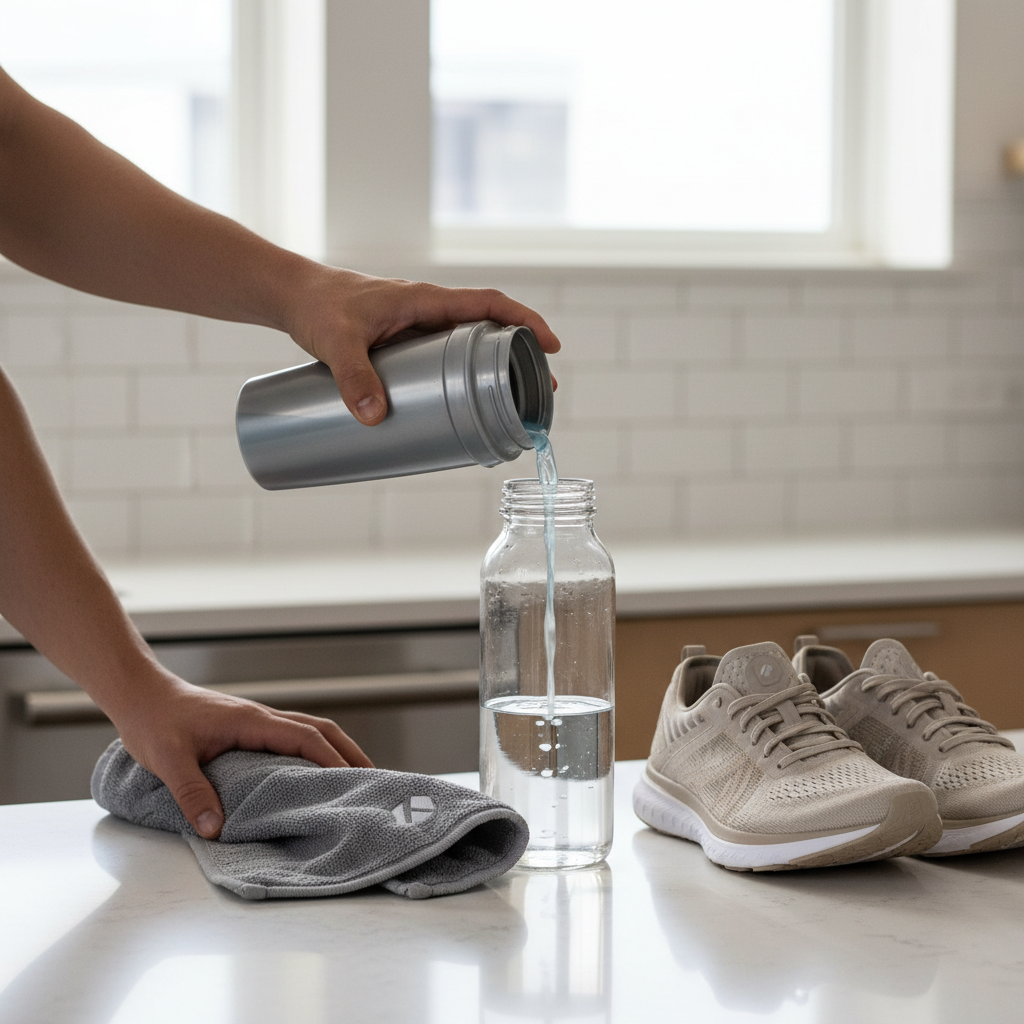
Hydration: more than “drink water”
After sweaty sessions, plain water helps, but some people do better adding sodium, especially after long runs, hot yoga, or outdoor summer training. According to the Centers for Disease Control and Prevention (CDC), electrolytes help balance fluids in the body, which matters when you lose a lot through sweat.
- Check urine color as a rough cue, very dark often suggests you need more fluids
- If your shirt has salt stains or you cramp often, consider an electrolyte drink or salty foods
- Spread fluids across the day, chugging late can disrupt sleep
Post-workout fuel: protein plus carbs, adjusted to your goal
According to the International Society of Sports Nutrition (ISSN), consuming adequate protein supports muscle protein synthesis, the process behind repair and adaptation. In real life, you do not need a perfect “anabolic window,” but waiting many hours to eat after hard training often backfires.
- Strength training: a protein-forward meal within a couple hours works well for many people
- Endurance or intervals: add carbs to restore glycogen, especially if training again within 24 hours
- Trying to lose fat: keep protein consistent, reduce calories carefully so recovery does not collapse
Simple options that usually travel well: chocolate milk, yogurt with fruit, rice and eggs, turkey sandwich, protein smoothie plus a banana.
Active recovery that actually helps (without turning into another workout)
When soreness hits, the instinct is to do nothing, or to do too much. Active recovery sits in the middle, light movement that increases blood flow and reduces stiffness without adding meaningful fatigue.
Good active recovery ideas:
- 20–40 minutes easy walk, bike, or relaxed swim where you can talk comfortably
- Gentle mobility for hips, ankles, thoracic spine, focused on range not intensity
- Easy technique work, for example light rowing drills or form-focused lifting with very low load
What to avoid on “recovery days”: turning the session into a hard HIIT workout because you felt better after warming up. Feeling better is the point, but chasing that feeling too hard often delays recovery again.
Soreness and tightness: stretching, foam rolling, heat, and cold
This is where people collect gadgets. Some tools can help you feel better quickly, but the effect is often short-term. That still has value if it gets you moving and sleeping normally.
Stretching: keep it gentle and specific
- Hold light stretches 20–60 seconds, avoid forcing end range when tissue feels angry
- Prioritize areas that limit movement, not every muscle you “think you should” stretch
- If stretching increases pain, switch to mobility drills or stop and reassess
Foam rolling and massage tools: good for “permission to move”
Many people feel immediate relief, likely through changes in sensation and tolerance rather than “breaking up” tissue. Use it as a warm-up to restore comfortable motion, not as punishment.
- 30–90 seconds per area, slow and controlled
- Stay at a tolerable pressure, sharp pain usually means you went too far

Heat vs. cold: pick based on what you feel
- Heat: often helps general tightness, stiffness, and relaxation before light movement
- Cold: may help acute flare-ups and soreness perception, but it’s not mandatory
If you have cardiovascular conditions, neuropathy, or altered sensation, heat and cold can carry extra risk, checking with a clinician is the safer move.
A simple recovery plan (with a table you can follow)
If your schedule is busy, you need workout recovery tips that fit into a normal day. This is a straightforward template you can repeat after most sessions.
Recovery-by-timeline
| Time | What to do | Why it helps |
|---|---|---|
| 0–30 min | Cool down 5–10 min, light walking, easy breathing | Gradually lowers heart rate, reduces stiffness |
| 0–2 hours | Eat a real meal with protein; add carbs for hard/long sessions | Supports repair and refuels glycogen |
| All day | Hydrate steadily; include sodium if you sweat heavily | Restores fluid balance and performance readiness |
| Evening | 10–15 min mobility or easy stretching, screen-light downshift | Improves comfort and sleep quality |
| Night | Prioritize 7–9 hours sleep, consistent bedtime when possible | Hormonal and nervous system recovery |
Key points to keep you honest
- If you only pick one thing: protect sleep for a week and watch what changes
- If soreness is high: active recovery usually beats total rest
- If performance drops: check food and total weekly training load before buying new tools
Common mistakes that quietly slow recovery
Most recovery problems come from a few repeat patterns, not from a missing supplement.
- Stacking hard days: lifting heavy legs, then sprinting, then a “quick” HIIT class, your body reads that as one long stress block
- Under-eating protein: especially common when meals turn into snack plates
- Weekend sleep swings: late nights can undo weekday consistency
- Chasing soreness: feeling sore does not automatically mean the workout worked
- Ignoring pain signals: sharp pain, swelling, or joint instability is not normal DOMS
If you want to be strategic, treat recovery like training volume: you can “overdo” it with constant intense mobility, aggressive rolling, or endless cold plunges, and still miss the fundamentals.
When to get professional help (and not just “push through”)
Some situations are beyond DIY recovery habits. If anything below matches your situation, it may be worth consulting a licensed healthcare professional, physical therapist, or sports medicine clinician.
- Pain that feels sharp, burning, numb, or radiates down an arm or leg
- Swelling, bruising, or a clear loss of strength after an incident
- Soreness that does not improve at all after several days, or keeps getting worse
- Repeated sleep disruption, fatigue, or mood changes tied to training load
- History of medical conditions where heat, cold, or supplements could be risky
Conclusion: make recovery boring, consistent, and personal
The most effective workout recovery tips usually look simple: sleep you can repeat, food you actually eat, hydration you do not forget, and light movement that keeps you loose. The “right” plan is the one you can execute on your busiest week, not just when life is calm.
If you want an easy next step, pick two habits to lock in for seven days, one sleep-related and one nutrition or hydration-related, then reassess soreness and performance. Your body gives feedback fast when the basics finally line up.
FAQ
How long should I rest after a hard workout?
It depends on training age, intensity, and the muscle groups involved, but many people do well with 24–48 hours before hitting the same muscles hard again. If performance drops and soreness stays high, adding an extra easy day often helps.
Do I need a protein shake for recovery?
No. A shake is convenient, not mandatory. What matters more is total daily protein and consistent meals, especially after strength sessions.
What are good workout recovery tips for runners training multiple days in a row?
Prioritize carbs plus protein after harder runs, keep easy runs truly easy, and consider electrolytes in hot weather. Many runners get stuck because every run becomes moderate-hard, which limits recovery.
Is stretching after exercise required?
Not required, but it can help if you feel tight or your range of motion feels limited. Gentle stretching or mobility tends to be more useful than aggressive, painful stretching.
Does an ice bath speed up muscle recovery?
It may reduce soreness perception for some people, but results vary and it is not a universal fix. If it stresses you out or disrupts sleep, the tradeoff may not be worth it.
Why am I still sore 3 days after working out?
Delayed-onset muscle soreness can peak around that time, especially after new exercises, heavier eccentrics, or higher volume. If soreness is extreme or paired with swelling, weakness, dark urine, or unusual symptoms, consider medical advice.
What should I eat after lifting weights at night?
A normal meal with protein and some carbs works for many people, for example rice and chicken, eggs and toast, or yogurt with fruit. Keep portions comfortable so sleep stays intact.
If you’re trying to train consistently but recovery keeps derailing your week, it can help to track a few basics for 10–14 days, sleep hours, protein servings, and how hard sessions really feel, then adjust one lever at a time instead of guessing.