
To learn how to adjust bike seat height correctly, you need two things: a repeatable method and a quick way to sanity-check comfort on real rides, because “looks about right” often turns into sore knees or wasted power.
Seat height sounds simple, but it sits at the center of pedaling mechanics, joint comfort, and even handling, and small changes can feel huge. Many riders chase the “perfect number” when what they actually need is a stable baseline, then small, intentional adjustments.
This guide gives you practical ways to set height at home, a checklist to diagnose common mistakes, and a few rider-tested rules for different bikes like road, gravel, and mountain.
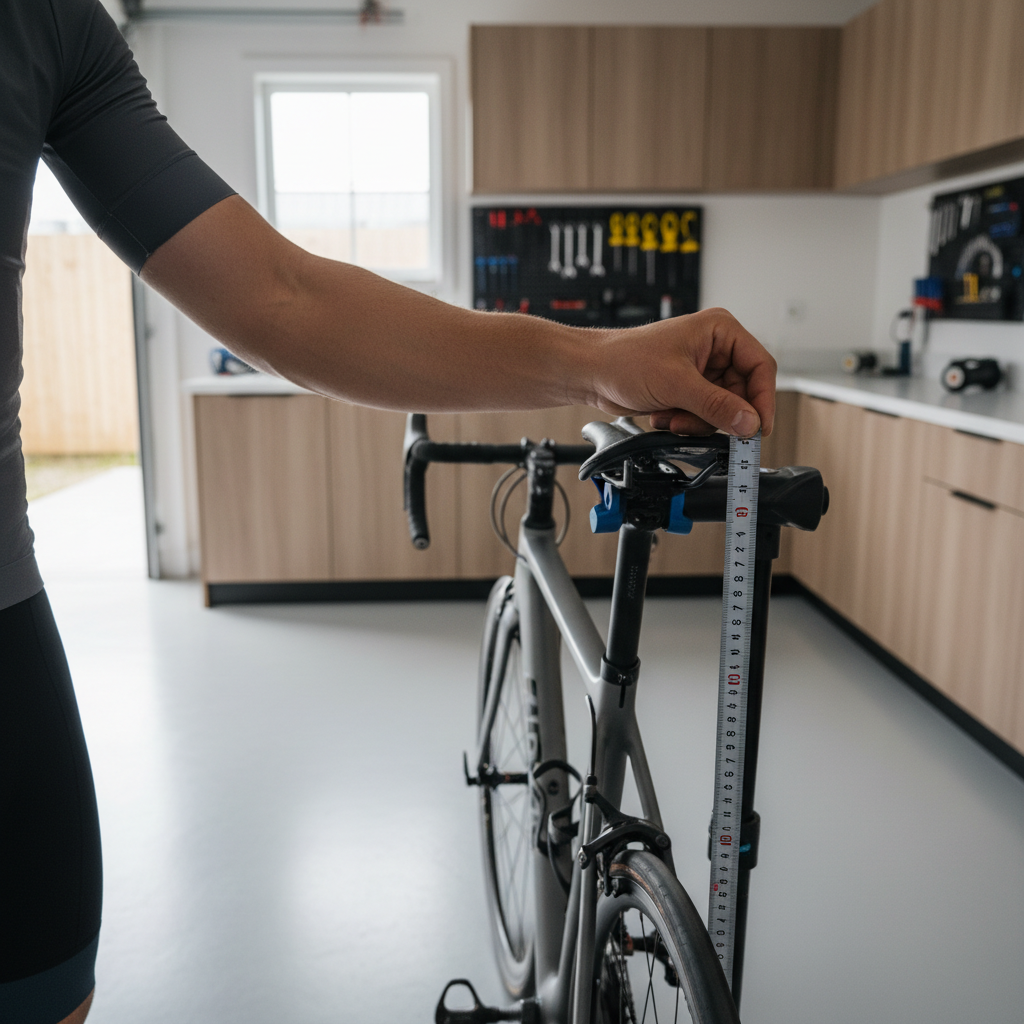
What “correct” seat height actually means
“Correct” seat height usually means you can pedal smoothly through the bottom of the stroke without your hips rocking, while your knees feel loaded but not strained. You’re aiming for efficient leg extension, not a locked-out leg.
A helpful mental model: at the bottom of the pedal stroke, your knee should still have a noticeable bend. If you look perfectly straight-legged, you’re often too high, even if it feels fast for five minutes.
Why it matters more than most fit tweaks
- Knee comfort: too low often stresses the front of the knee, too high often irritates the back of the knee or hamstring insertion.
- Power and endurance: a stable hip and smooth circle beat “mashing” with a cramped angle.
- Control: if you’re reaching, you may unload the saddle and get twitchy on descents.
According to USA Cycling..., saddle height is a foundational part of a basic bike fit, because it affects how your body aligns throughout every pedal stroke.
Common reasons your seat height feels wrong
If you keep changing the saddle and nothing sticks, it’s often because height gets mixed up with a few other fit variables. Here are the usual culprits I see people chase in circles.
- Shoes and pedals changed: different cleats, different stack height, even a new insole can change effective leg length.
- Saddle shape changed: a longer-nose saddle, different padding, or a different “sweet spot” shifts where you actually sit.
- Seat angle is off: a nose-up saddle can make you scoot back and feel “too high,” a nose-down saddle can make you slide forward and feel “too low.”
- Crank length differences: moving from 175 mm to 170 mm cranks can change how height feels at both top and bottom of the stroke.
Also, if you’re new to cycling or returning after time off, tight hips and hamstrings can make a perfectly reasonable height feel “too tall” for a few rides.
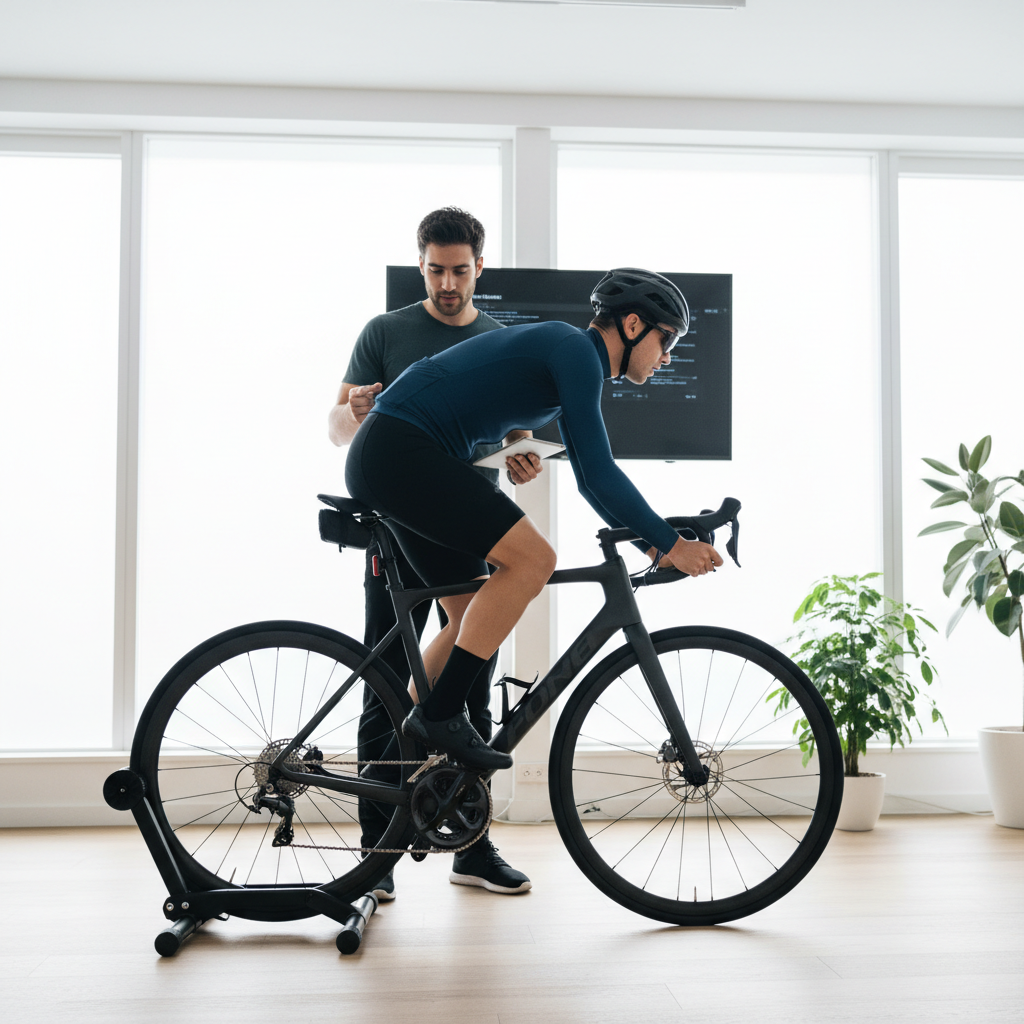
Quick self-check: are you too high or too low?
Before grabbing tools, do this fast diagnostic. It won’t replace a full fit, but it usually points you in the right direction in under two minutes.
Signs the saddle may be too high
- Hips rock side-to-side to reach the bottom of the stroke
- Toes point down aggressively at the bottom
- Soreness behind the knee or tight hamstrings after rides
- You feel like you’re “reaching” and losing control on rough terrain
Signs the saddle may be too low
- Quads burn early, especially on moderate climbs
- Front-of-knee discomfort, particularly around the kneecap
- Pedaling feels choppy, like you can’t spin smoothly
- You feel cramped at the top of the stroke
If you’re unsure, many riders do better starting slightly low, then creeping up in small increments, because “too high” often hides until you ride longer or harder.
3 reliable ways to set seat height (pick one)
You can get close with a few different methods. What matters is consistency, then testing with short rides. If you want the simplest path, start with heel-on-pedal, then refine with a measured approach.
Method A: Heel-on-pedal baseline (fast, no tools)
- Lean the bike against a wall or use a trainer.
- Put your heel on the pedal.
- Rotate the crank to the bottom position (6 o’clock).
- Adjust seat height so your leg becomes straight with the heel on the pedal, without hip rocking.
When you switch from heel to the ball of your foot, you’ll get a slight knee bend, which is usually a workable starting point.
Method B: Measure inseam-based starting point (more repeatable)
If you like numbers, you can estimate saddle height from inseam and then fine-tune. The key is measuring the same way every time.
- Measure inseam (barefoot, back to wall, book between legs, measure to floor).
- Use a conservative estimate to start, then adjust by feel in small steps.
Because formulas vary by bike type, shoe stack, and flexibility, treat this as a starting line, not a promise.
Method C: Video check on a trainer (best DIY refinement)
- Set up your phone for a side-on view at crank height.
- Pedal at an easy cadence for 30–60 seconds.
- Look for hip rock and the “toe point” habit that often signals you’re too high.
According to Bike Fit..., video analysis can help identify obvious movement compensations, though a qualified fitter usually sees details you’ll miss on your own.
Step-by-step: how to adjust bike seat height correctly (and keep it consistent)
This is the part that saves frustration later. Small slippage, inconsistent measuring points, or skipping torque can make a good setting feel “random” from ride to ride.
1) Mark your current position before changing anything
- Put painter’s tape on the seatpost at the frame clamp line, or mark with a non-permanent marker.
- Measure saddle height in a repeatable way, for example: center of bottom bracket to top of saddle along the seat tube line.
2) Make small moves, then test
- Change height in 2–4 mm steps.
- Ride 10–20 minutes, ideally with some steady pedaling and a few minutes seated climbing.
If you’re learning how to adjust bike seat height correctly, this “small move + short test” loop matters more than any single trick, because your body adapts and your perception can lag behind reality.
3) Tighten safely, avoid seatpost slip
- Use a torque wrench if you have one, especially on carbon components.
- Carbon seatposts often need carbon assembly paste to prevent slipping at lower torque.
According to Park Tool..., following manufacturer torque specs helps prevent component damage and reduces the chance of slippage, which can undo your adjustments mid-ride.
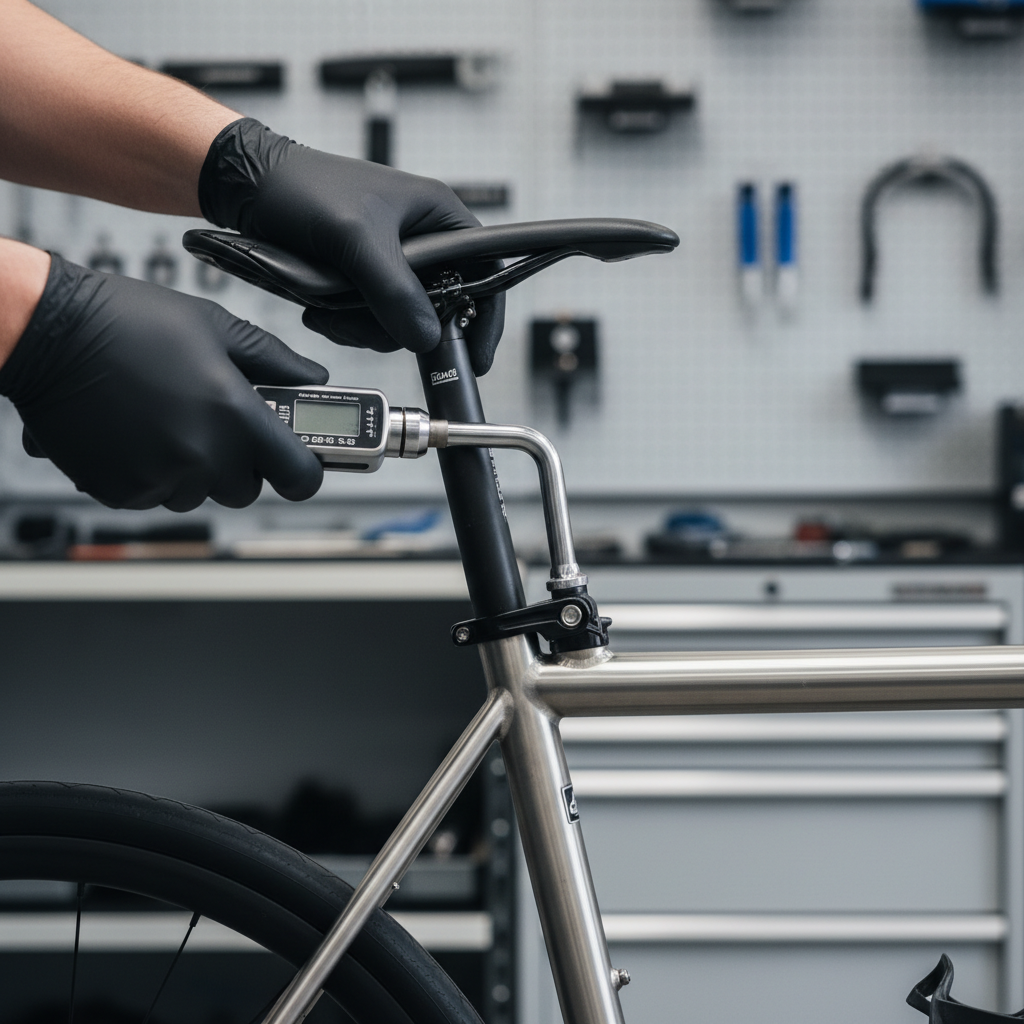
Seat height vs. saddle fore-aft and tilt: don’t mix them up
Plenty of “seat height problems” are actually fore-aft or tilt problems. If you correct height but still feel off, check these two before you keep raising or lowering.
Saddle fore-aft (forward/back on rails)
- Too far forward can overload quads and front knee, and it can feel like the seat is too high because you’re perched.
- Too far back can feel like you can’t get over the pedals, and it may stress hamstrings.
Saddle tilt (nose angle)
- Nose-up often causes pressure and makes you scoot back, changing your effective height.
- Nose-down can cause sliding forward, making you feel cramped and low.
A common practical approach: set tilt close to level, set height, then revisit fore-aft in small moves if needed.
What to aim for by riding style (road, MTB, commuting)
“Perfect” depends on what you ride and how. Here’s a simple reference table to keep expectations realistic.
| Riding type | Typical seat height feel | What to prioritize | Common mistake |
|---|---|---|---|
| Road | Higher, steady pedaling | Smooth cadence, minimal hip rock | Chasing maximum leg extension |
| Gravel | Similar to road, slightly conservative | Stability on rough surfaces | Setting too high for long seated climbs |
| MTB (trail) | Conservative if no dropper post | Control and maneuverability | Leaving it road-high for technical descents |
| Commuting | Comfort-forward, easy starts/stops | Knee comfort, confidence at stops | Too low to “feel safe,” causing knee strain |
If you use a dropper post, your “pedaling height” can be fairly efficient, because you can drop the saddle for descents instead of compromising height all the time.
Key takeaways, plus a simple action plan
If you only remember a few things, remember these.
- Set a baseline you can repeat (mark it, measure it), then adjust in 2–4 mm steps.
- Watch your hips; rocking usually means you went too high, even if it feels powerful briefly.
- Don’t blame height for everything; saddle tilt and fore-aft can mimic the same discomfort.
Action plan: set a heel-on-pedal baseline today, ride 15 minutes, then change height by a few millimeters based on the self-check signs. If pain persists or worsens, back off the change and consider professional help.
When you’re dialing in how to adjust bike seat height correctly, patience pays, because comfort over a week matters more than a “great” five-minute test.
When to get a professional bike fit (and when to talk to a clinician)
If you keep tinkering and discomfort keeps returning, a pro fit can save time and prevent you from compensating in ways that show up later. It’s also the right move if you’ve had past injuries or significant asymmetry.
- Persistent knee pain, numbness, or sharp pain during or after rides
- One-sided discomfort that doesn’t respond to small changes
- Major equipment changes: new saddle model, new shoes, new crank length
- Questions about cleat position, leg length discrepancy, or hip mobility limits
This article can’t diagnose medical issues. If you suspect an injury or symptoms feel severe, it’s usually smart to consult a qualified healthcare professional.