
how to prevent elbow pain cycling usually comes down to two things you can actually control: how your bike supports your upper body, and how your arms react to bumps, braking, and fatigue on real rides.
If your elbows start aching after 30–60 minutes, or you feel a sharp pinch when you hit rough pavement, it rarely means “weak arms.” More often, your hands carry too much weight, your cockpit forces a reach, or your elbows stay locked when they should act like suspension.
This guide walks through the common causes, a quick self-check you can do at home, and practical fixes you can try in order, from no-cost changes to bike-fit adjustments. I’ll also flag the symptoms that deserve a clinician or fitter, because sometimes it’s not just cycling mechanics.
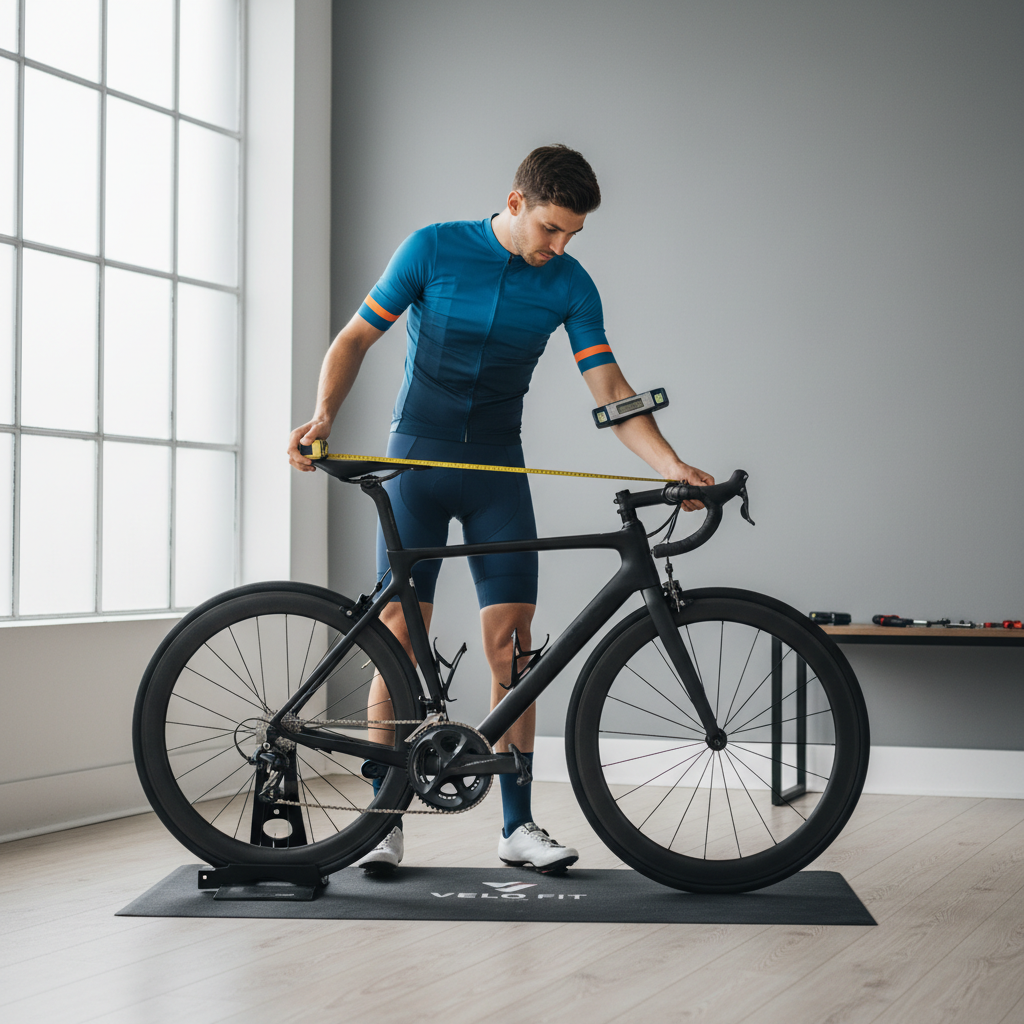
Why your elbows hurt on a bike (what’s usually really happening)
Elbow pain while cycling tends to show up when your upper body takes more load than it can comfortably manage for the time you ride. The elbow itself may be the “loud” joint, but the trigger often starts at your hands, shoulders, and core support.
- Too much weight on the hands, often from a low front end, long reach, or a saddle set too high or too far back.
- Locked elbows, which transmit vibration straight into the joint instead of letting your arms absorb it.
- Over-gripping the bars, commonly from anxiety in traffic, poor gloves/tape, or bars that feel too thick or too slippery.
- Poor wrist alignment, which can load the forearm tendons that attach near the elbow.
- Repetitive braking or rough terrain, especially on long descents or gravel where micro-impacts add up.
- Training load jumps, where longer rides increase time-in-position faster than your tissues adapt.
According to the American Academy of Orthopaedic Surgeons (AAOS), overuse and tendon irritation around the elbow are common drivers of elbow pain, and modifying the aggravating activity is often part of management. Cycling can be that aggravating activity if position and load aren’t friendly to your body.
Fast self-check: figure out which pattern fits you
Before you buy anything, pin down when the pain shows up and what changes it. This helps you choose the right fix instead of randomly adjusting bolts.
Quick questions (take 2 minutes)
- When does it start? Early in the ride suggests setup or technique, late suggests fatigue and support issues.
- Where is it? Outside of elbow, inside of elbow, or more in forearm/wrist.
- One side or both? One side often points to asymmetry, past injury, or hand dominance.
- Does it ease when you sit up? If yes, you’re likely dumping too much weight forward.
- Does it worsen on bumps or descents? That often means locked elbows, tire pressure, or braking habits.
At-home position check (no tools required)
- On flat ground, place hands on your usual position, look for a soft elbow bend, not fully straight.
- Check if your wrists feel “kinked” or forced upward; neutral wrists usually feel calmer over time.
- Try lifting your hands lightly for one second while pedaling easy on a trainer or safe area: if you instantly collapse forward, your core/hip support may not be carrying enough.
If you can’t hold a relaxed bend without sliding forward, don’t blame your arms. Your setup is probably asking your elbows to do the job of your hips and trunk.
Bike fit fixes that prevent elbow pain (most impact first)
When people search how to prevent elbow pain cycling, they often start by changing gloves or doing curls. Those can help, but fit usually moves the needle more, because it changes the load at the source.
1) Reduce reach and front-end drop (small changes matter)
- Shorten reach with a slightly shorter stem, a bar with less reach, or moving the hoods a touch upward (road bikes). Tiny changes can feel big.
- Add stack by moving spacers under the stem (if available) or using a higher-rise stem to bring the bars up.
A “sporty” position is fine if your body tolerates it, but if pain starts early, your elbows may be paying for aggressive geometry.
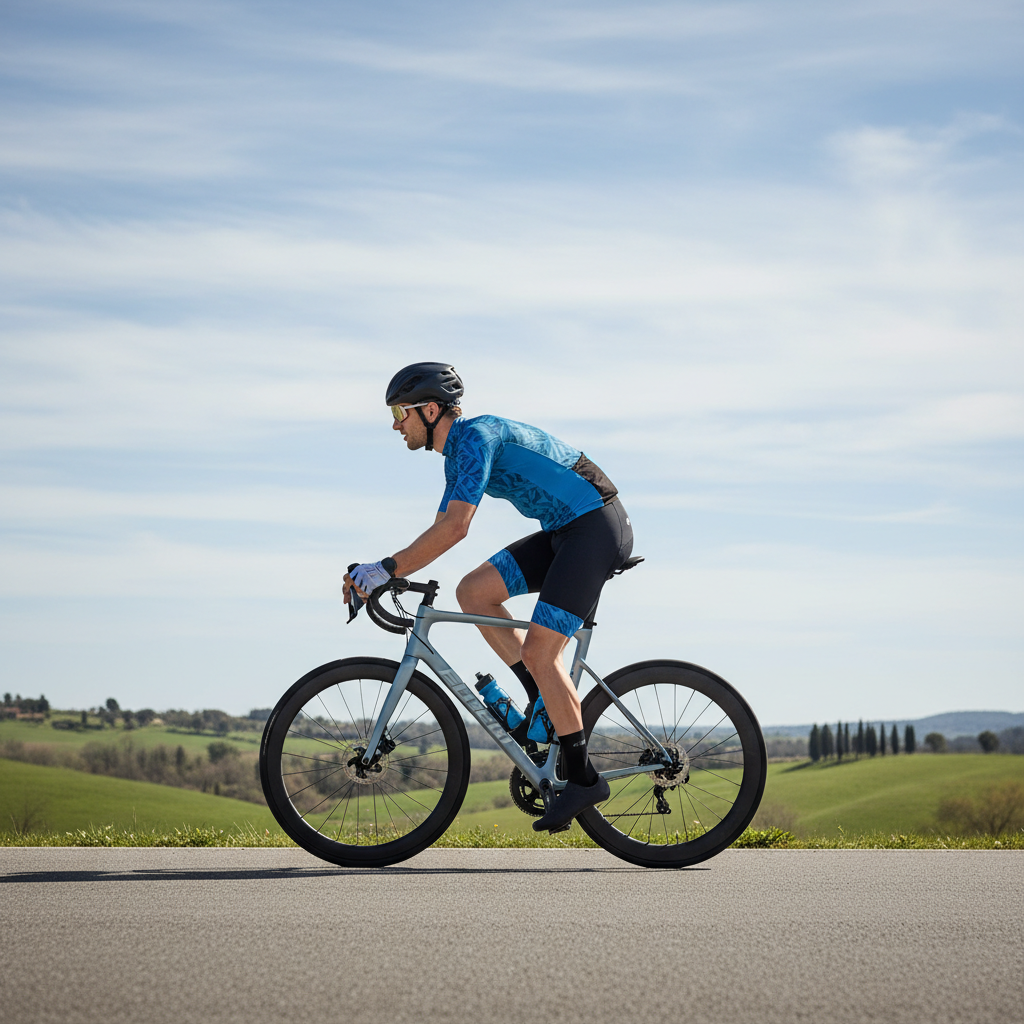
2) Re-check saddle height and fore-aft (yes, it affects elbows)
If the saddle sits too high, riders often rock their hips and brace with the arms. If it sits too far back, you may reach and lean more to “find” the bars.
- If you feel like you’re constantly pushing yourself backward from the bars, consider slightly lowering the saddle (a few millimeters) and reassessing.
- If you feel stretched, try moving the saddle slightly forward within safe limits for your bike and knee comfort.
These changes can affect knee comfort, so make them gradually and test on short rides.
3) Handlebar width, rotation, and hood placement
- Too-wide bars can flare elbows outward and load the joint; too narrow can crowd shoulders and tense forearms.
- Bar rotation that tips the drops/hoods too far down can force wrists into extension and shift pressure into hands.
- On modern road levers, hood angle that supports a flat “platform” for the palm often reduces grip tension.
If you’re unsure, take photos from the side and front, small rotations can change wrist comfort fast.
Technique tweaks on the road: cheap, fast, and underrated
Even with a good fit, elbows can flare up when technique gets sloppy under fatigue. The goal is simple: let your arms absorb, not brace.
- Keep “micro-bend” elbows on rough surfaces, think of your arms as a shock absorber.
- Light hands, heavy feet: put more support through pedals and saddle, less through palms.
- Change hand positions every 5–10 minutes on longer rides to spread stress across tissues.
- Exhale and relax your grip before descents or traffic sections, many riders unknowingly clamp down.
- Brake earlier and smoother when possible, death-gripping on steep descents is a common trigger.
According to the National Highway Traffic Safety Administration (NHTSA), safe riding involves maintaining control and awareness; for cyclists that often means choosing speeds and braking points that don’t force panic-grip moments. Comfort and safety overlap more than people think.
Gear adjustments that reduce vibration and hand pressure
If your position is reasonable but pain spikes on chipseal, gravel, or long descents, a bit of comfort-focused setup can make the difference. This is also where many “mystery” elbow aches get solved.
Comfort levers to try (in sensible order)
- Lower tire pressure within your tire and rim limits, many riders run higher than needed. This often reduces buzz that travels into elbows.
- Better bar tape or grips with more cushioning, especially if your hands go numb too.
- Padded gloves can help, but thick padding sometimes encourages harder gripping, so pay attention to how you hold the bar.
- Consider a suspension stem/seatpost if you ride consistently rough surfaces, it’s not mandatory but can be a meaningful comfort upgrade.
Quick comparison table: what to change based on your symptom
| What you feel | Most likely driver | Try this first |
|---|---|---|
| Pain starts early, improves when sitting up | Too much forward weight / long reach | Raise bars slightly, shorten reach, check saddle height |
| Pain worse on bumps, gravel, chipseal | Locked elbows + vibration | Micro-bend elbows, lower tire pressure, add tape/grips |
| Outside elbow ache after longer rides | Overuse of forearm extensors, grip tension | Relax grip, adjust wrist angle, vary hand positions |
| One-sided pain | Asymmetry, bar/hood misalignment, old injury | Check lever symmetry, cleat alignment, consider fit consult |
Strength and mobility: keep it simple, make it consistent
If you want how to prevent elbow pain cycling to stick long-term, you usually need just enough strength and mobility to hold posture without “hanging” on the bars. This is not about bodybuilding, it’s about endurance in the right muscles.
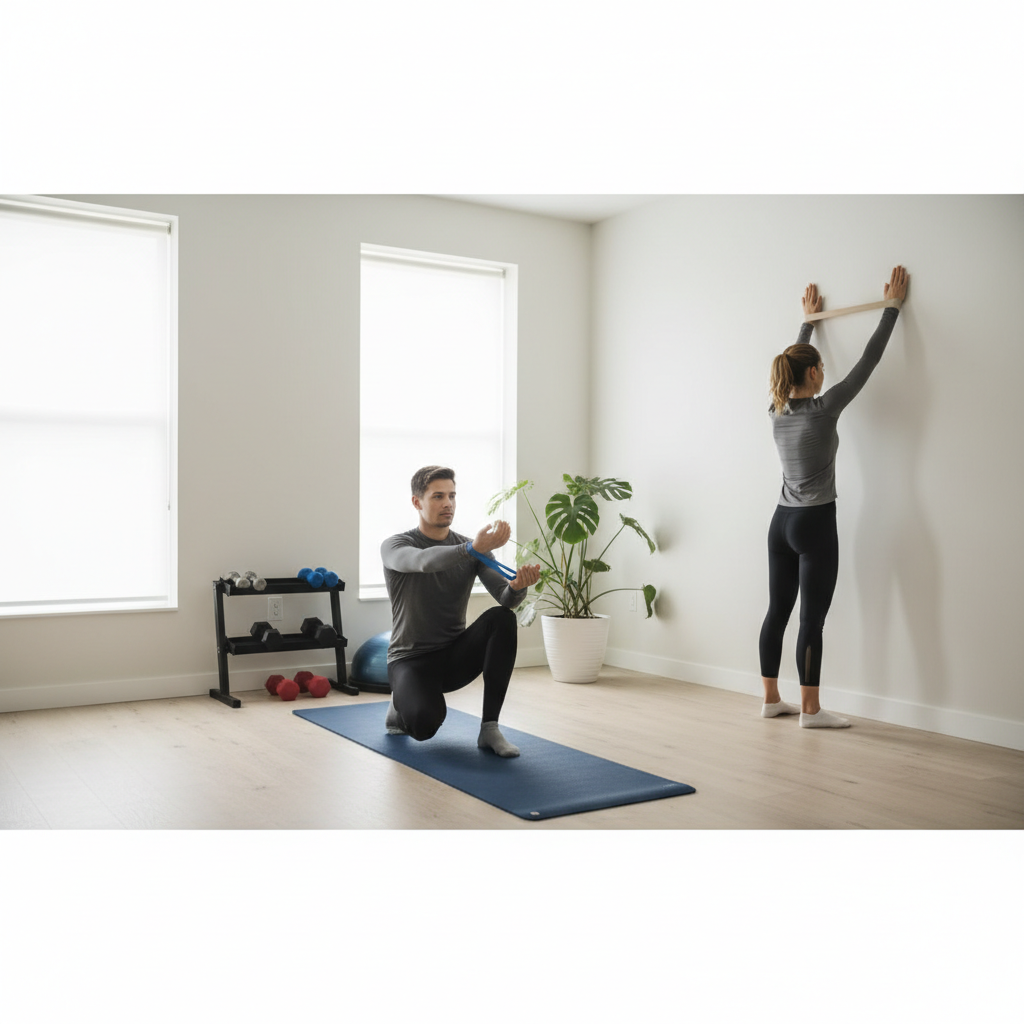
Two small routines (10–15 minutes, 2–3x/week)
- Scapular support (shoulder blade control): band rows, face pulls, wall slides, push-up plus.
- Forearm capacity: light wrist extensor/flexor eccentrics, gentle pronation/supination with a light dumbbell.
Keep effort moderate, pain should not spike. If you already have tendon irritation, heavy gripping work can make things worse before it gets better.
Common mistakes that keep elbow pain coming back
- Only treating symptoms: pain creams and braces may calm things, but if the reach stays too long, the problem returns.
- Making huge fit changes: drastic saddle moves can shift pain from elbow to knee. Small steps, one variable at a time.
- Assuming numb hands are “normal”: hand numbness often pairs with elbow overload from pressure and wrist angle.
- Ignoring rest and load management: adding weekly miles fast, or stacking hard rides, can outpace tissue recovery.
- Over-tightening your upper body in traffic: it’s understandable, but it also ramps up grip and elbow strain.
When to get professional help (and what to ask for)
Some cases are DIY-friendly, others benefit from a quicker, more precise evaluation. Consider professional help if you notice any of the following.
- Sharp pain, swelling, warmth, or pain that persists off the bike for days
- Numbness, tingling into the hand, or weakness when gripping
- Night pain or pain with daily tasks like lifting a mug
- Symptoms that don’t improve after 2–4 weeks of reasonable changes
A reputable bike fitter can check reach, hood angle, saddle position, and weight distribution, while a physical therapist or sports medicine clinician can assess tendon irritation, nerve involvement, and shoulder/neck contributions. If you’re unsure which to pick, start with the symptom severity: neurological signs and daily-life pain lean medical.
Key takeaways and a practical next step
Elbow discomfort on the bike is often a load-management problem more than a mystery injury, and how to prevent elbow pain cycling usually becomes much clearer once you reduce hand pressure, keep a soft elbow bend, and make the cockpit match your flexibility and riding goals.
- Do one fit change at a time, test it on a short ride, then decide.
- Prioritize weight distribution over gadgets, bars and saddle position often matter more than gloves.
- Watch for red flags like numbness or night pain, and consider a clinician if they show up.
If you want a simple action plan, start with a 20-minute check this week: raise the bars slightly if possible, rotate the hoods to support neutral wrists, lower tire pressure within safe limits, then ride easy and focus on relaxed grip and soft elbows. That sequence solves a surprising number of cases.
FAQ
- Why do my elbows hurt only on long rides?
Many riders can “get away with” a slightly aggressive position for 30 minutes, but fatigue reduces core support and you gradually lean more into your hands, so the elbows take more vibration and sustained load. - Can elbow pain come from my saddle position?
Yes, in a roundabout way. A saddle that is too high or set far back often makes you brace with your arms to stay stable, which increases hand pressure and elbow strain over time. - What’s the best hand position to reduce elbow pain?
It varies by bike, but a position that lets you keep a light grip, neutral wrists, and a small elbow bend usually works well. Rotating through multiple positions during the ride matters as much as picking one “perfect” spot. - Should I use a brace for cycling elbow pain?
A strap or sleeve may reduce symptoms for some people, especially with tendon irritation, but it won’t fix the underlying load issue. If you try one, treat it as temporary support while you address fit and technique. - Does lowering tire pressure really help elbow pain?
Often, yes, because less vibration reaches your hands and arms. You still need to stay within manufacturer guidance for your tires, rims, and riding conditions to avoid pinch flats or rim strikes. - Is it tennis elbow even if I only feel it when cycling?
It could be, but not always. Lateral elbow tendon irritation can flare with gripping and wrist extension on the bars, though neck or nerve issues can mimic it, so persistent pain deserves a professional look. - How long should I rest if my elbow hurts after a ride?
If pain is mild, many people do better with reducing intensity and time-on-bars for a week while making fit changes, rather than total rest. If pain is sharp, worsening, or affects daily tasks, it’s safer to pause and consult a clinician.
If you’re currently chasing how to prevent elbow pain cycling and you’d rather not guess, a short session with a qualified bike fitter or a PT who understands cycling can be a time-saver, you’ll usually leave with 2–3 specific adjustments to test instead of ten random tweaks.