
how to wash padded cycling shorts is mostly about protecting the chamois, controlling odor, and avoiding small “laundry choices” that quietly break down stretch fabric over time.
If you ride often, your shorts see sweat, salt, body oils, and bacteria in a tight, warm area, so washing isn’t just about looks, it’s about comfort on the next ride and how long the padding stays supportive.
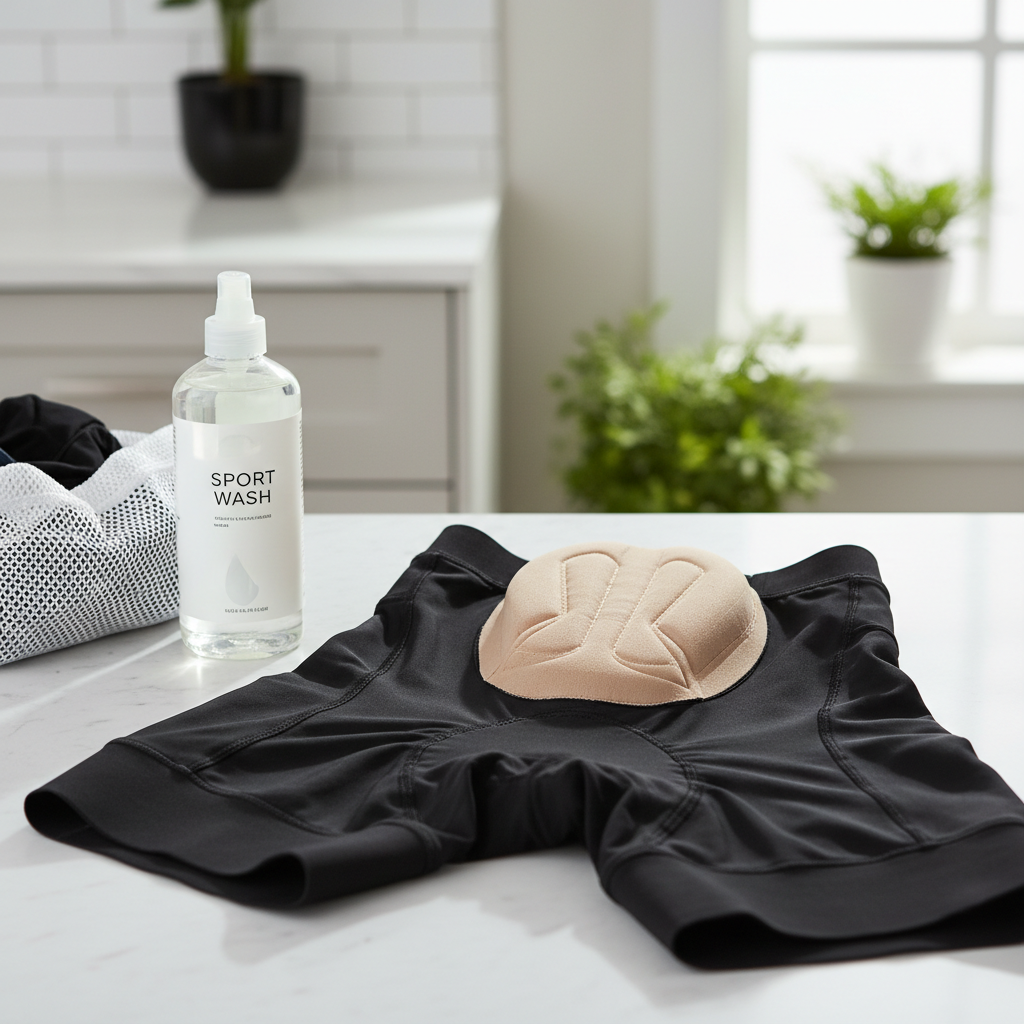
A common misconception is that “more soap” or “hotter water” equals cleaner. With cycling bibs and liners, that often backfires by trapping residue, amplifying stink, or making the pad feel stiff. Below is a routine you can actually stick to, plus a few decision rules for tricky cases.
What makes padded cycling shorts tricky to wash
Padded cycling shorts combine compressive fabric, elastic grippers, and a multi-layer chamois. Each part hates something different, and laundry mistakes usually show up as itchiness, lingering odor, or early fabric breakdown.
- Chamois foam and microfiber can hold detergent residue, which may irritate skin.
- Elastane/spandex weakens with heat, harsh detergents, and some additives.
- Silicone leg grippers can lose grip if repeatedly exposed to high heat.
- Bacteria + sweat salts can cling when shorts sit damp in a bag too long.
According to CDC guidance on laundry hygiene, washing with the warmest water safe for the fabric and drying items completely helps reduce germs. With cycling shorts, “warmest safe” often still means cool-to-warm, not hot.
Quick checklist: choose the right wash method for your situation
Before you throw everything in, this quick check keeps you from overcorrecting and damaging the shorts.
- Just finished a normal ride: standard machine wash, gentle cycle, mild detergent.
- Shorts sat sweaty for hours: quick rinse first, then wash.
- Strong odor persists after washing: do a soak or add an odor-focused step (no fabric softener).
- Sensitive skin or chafing issues: reduce detergent, add extra rinse, avoid fragrance-heavy products.
- Premium shorts with taped seams: follow care label strictly, usually cold wash, no dryer.
Step-by-step: how to wash padded cycling shorts in a washing machine
This is the “default” approach for most riders, and it works well when you keep it simple.
1) Rinse quickly (optional, but smart)
If the chamois is heavily saturated with sweat, a 15–30 second cool rinse in the sink can reduce salt and bacteria load, which helps with odor later.
2) Turn inside out, close closures, use a mesh bag
Turn shorts inside out so the chamois gets the direct wash. If you’re washing with jerseys or items with zippers, a mesh laundry bag reduces abrasion and pilling.
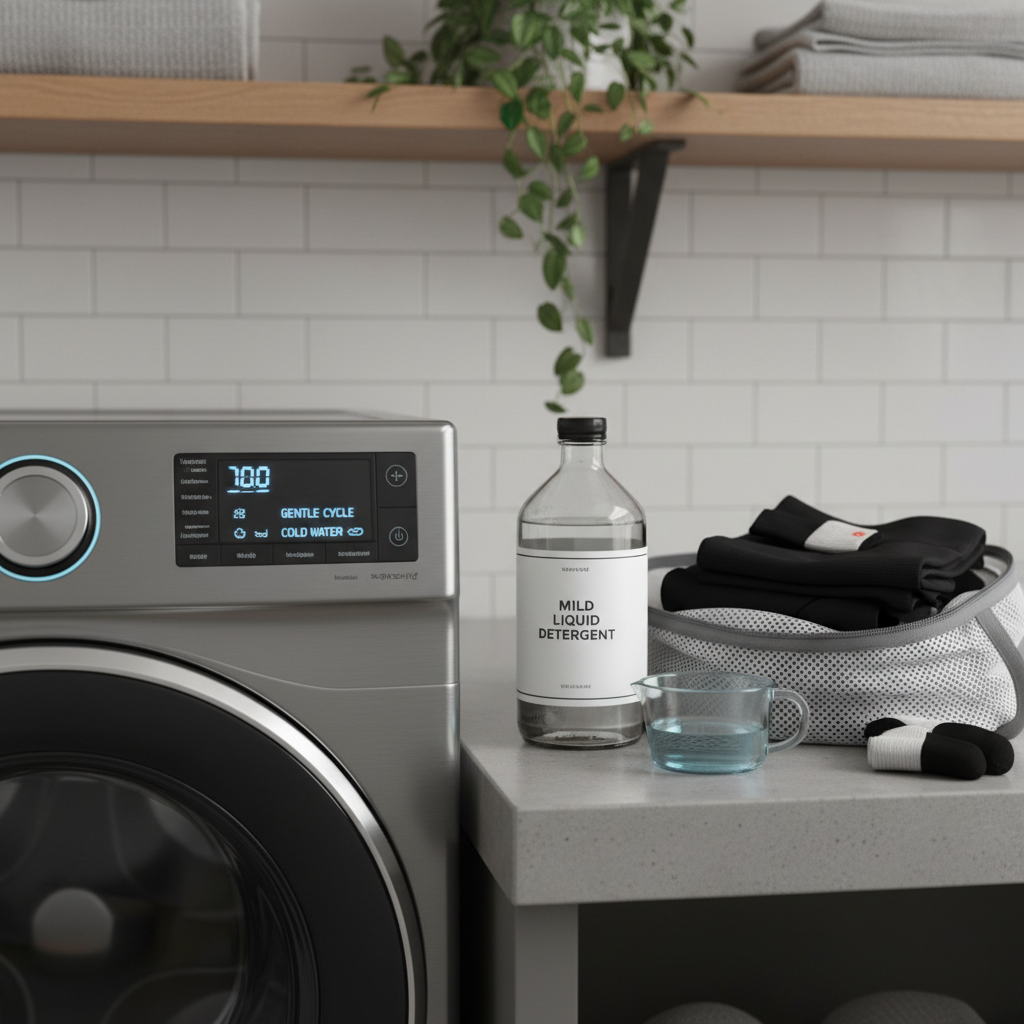
3) Choose cycle, water temp, and detergent
- Cycle: gentle/delicate.
- Water: cold to warm (check the label). Avoid hot for most shorts.
- Detergent: mild liquid detergent, measured small. In many households, “half the cap” is already plenty.
Avoid chlorine bleach on most technical fabrics unless the care label explicitly allows it. Also skip powder detergents if you often notice residue in the pad, powders can be harder to rinse out in some machines.
4) Add an extra rinse if you’re prone to irritation
If you’ve ever finished a ride with itchy skin or the chamois feels slick, add an extra rinse. Detergent left in the pad is a quiet troublemaker.
5) Wash with similar items
Keep it with other activewear, not towels or cotton-heavy loads. Cotton lint can cling to the chamois face fabric and make it feel rough.
Hand-washing: when it’s worth doing (and how to do it fast)
Hand-washing isn’t mandatory, but it’s useful for travel, delicate shorts, or when you need a same-night turnaround.
- Fill a sink with cool water and a small amount of mild detergent.
- Soak 10–15 minutes, then gently rub the chamois surface with your fingers, no twisting.
- Rinse until water runs clear and the pad doesn’t feel “soapy.”
- Press water out with a towel, don’t wring.
If you’re trying to figure out how to wash padded cycling shorts while traveling, this routine plus overnight air-dry usually covers it, assuming decent airflow.
Drying rules that keep the chamois comfortable (and the shorts lasting longer)
Drying is where many shorts quietly die early. Heat is convenient, but it’s the fastest way to age elastic and mess with grippers.
- Best default: air-dry, inside out at first, then right-side out once the chamois surface feels mostly dry.
- Avoid: high heat tumble drying, radiators, and direct scorching sun for long periods.
- If you must use a dryer: use low or air-fluff only, and treat it as an exception, not the routine.
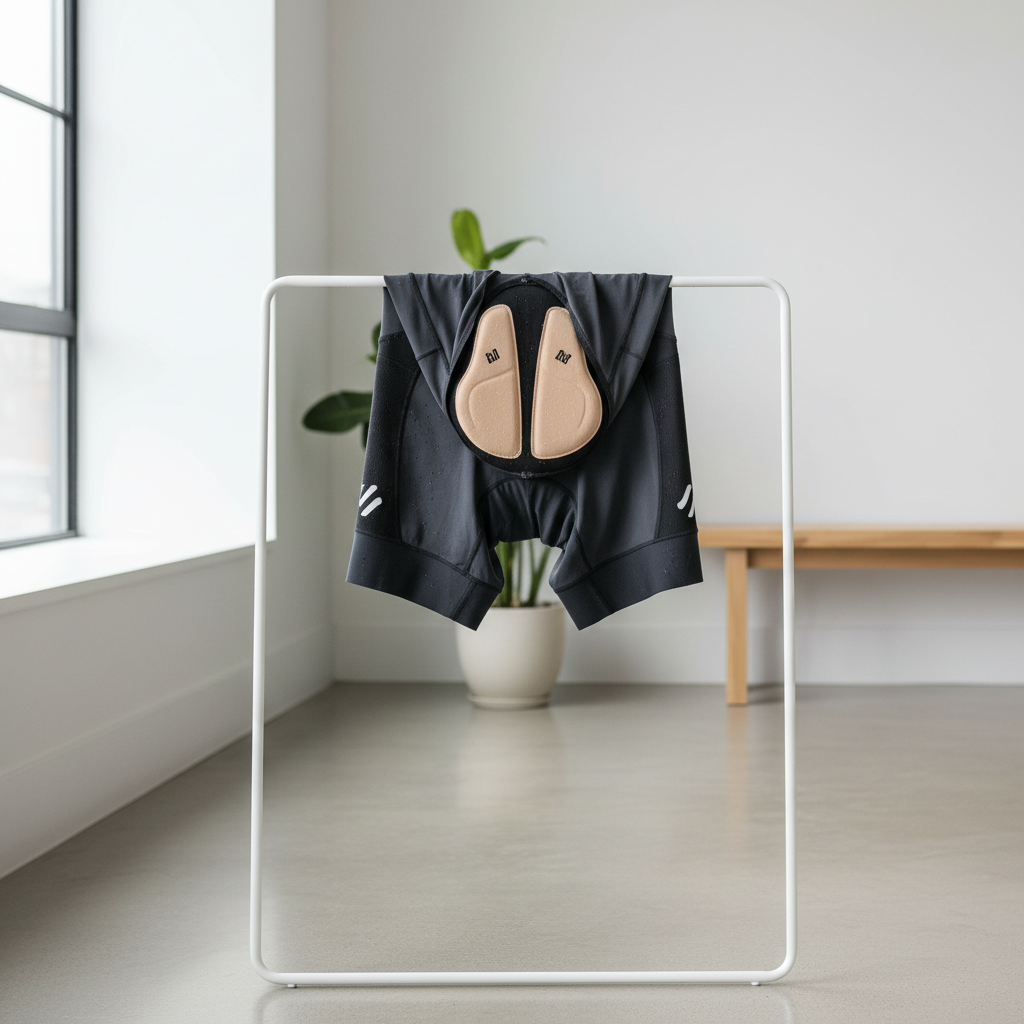
One more practical note, if your shorts take forever to dry, odor tends to return faster. A fan in the room can help without adding heat.
Detergent, additives, and what to avoid (simple table)
Most issues come from additives meant for cotton laundry, not technical sports fabrics.
| Product | Use? | Why |
|---|---|---|
| Mild liquid detergent | Yes | Cleans oils/sweat, usually rinses well when dosed lightly |
| Fabric softener | No | Can coat fibers, reduce wicking, trap odor, irritate skin |
| Bleach (chlorine) | Usually no | May damage elastane and color; only if label allows and used carefully |
| Vinegar (small amount) | Sometimes | May help with odor or residue in some cases, but test and don’t overuse |
| Oxygen bleach (color-safe) | Sometimes | Can help odor, but follow garment label and rinse thoroughly |
If you’re troubleshooting smell, the goal is usually better rinse + faster dry, not stronger chemicals.
Odor and chafing troubleshooting (what actually works)
If you feel like you already know how to wash padded cycling shorts but they still smell, you’re not alone. The fix is usually one of these, not all of them at once.
When odor persists after washing
- Don’t let shorts sit damp: rinse and hang, even if you can’t wash immediately.
- Use less detergent: too much can trap funk by leaving residue.
- Add an extra rinse: especially in high-efficiency machines.
- Occasional soak: 20–30 minutes in cool water with a sports-safe cleaner can help.
When the chamois feels stiff or “crunchy”
- It’s often detergent buildup, run a rinse-only cycle.
- Skip dryer sheets and softener, they can change the chamois hand-feel.
When you’re getting irritation or chafing
Hygiene is one piece, fit and saddle time matter too. If irritation keeps happening, consider fragrance-free detergent, a double rinse, and consult a medical professional for persistent rashes or broken skin.
According to the American Academy of Dermatology, fragrance and harsh cleansers can aggravate sensitive skin. Laundry products can be part of that picture for some riders.
Key takeaways (save these)
- Wash soon, or at least rinse and air out right after the ride.
- Inside out + gentle cycle covers most needs.
- Use less detergent than you think, then rinse well.
- Air-dry whenever possible, heat is the long-term enemy.
- No fabric softener, even if it “smells clean.”
Conclusion: a simple routine you can repeat
Once you stop overcomplicating how to wash padded cycling shorts, the process becomes pretty automatic: rinse if needed, gentle wash with mild detergent, rinse well, then air-dry with airflow.
Pick one improvement you’ll actually do every ride, most people get the biggest payoff from not leaving shorts sweaty in a bag and from skipping softener. If odor still hangs on after a couple washes, it’s a sign to adjust rinse/dry habits or retire a chamois that’s simply worn out.