
Ab core strength is less about doing endless crunches and more about training your torso to resist motion, transfer force, and stay stable when you move in real life.
If your goal is a flatter look, less back crankiness, better lifting form, or just feeling “solid” when you run and carry things, you want the same foundation: a core that can brace, breathe, and control your pelvis and ribcage under load.
A lot of people get stuck because their training hits the “burn” but misses the job. Your abs can light up while your hips, low back, and breathing mechanics keep compensating, so you feel worked but not stronger.

This guide focuses on what tends to work in practice: how to tell what your weak link is, which exercises build real capacity, and how to put it into a plan you can repeat. If you have pain, postpartum concerns, or a hernia history, consider checking in with a qualified clinician or coach before pushing intensity.
What “real” core strength actually means (and why crunches fall short)
Think of your core as a 360-degree system: abs in front, obliques on the sides, deep stabilizers, and your back muscles, plus the diaphragm and pelvic floor. When it works well, you can create stiffness when you need it, then relax and breathe when you don’t.
Most daily and athletic tasks demand anti-movement: resisting extension (arching), rotation (twisting), and side-bending. Crunches train spinal flexion repeatedly, which can be fine in moderation, but it often skips the stability demands that show up in squats, deadlifts, running, and even standing posture.
According to the American Council on Exercise (ACE), effective core training should target multiple muscle groups and movement patterns, not a single ab exercise done for high reps.
Why your core still feels weak: common bottlenecks
If progress feels slow, it’s usually not because you need “more ab days.” It’s because one of these pieces keeps leaking strength.
- You can’t keep ribs stacked over pelvis under effort. You arch, flare your ribs, or tuck hard, and your low back takes the work.
- Breathing and bracing conflict. You hold your breath randomly or breathe shallow into your chest, so your brace collapses mid-rep.
- Hip flexors dominate. Many “ab” moves become a hip-flexor workout, especially leg raises done without pelvic control.
- You train only one direction. Lots of planks, no rotation control, no loaded carries, no unilateral work.
- Load never progresses. You repeat the same 3 sets forever, so your body gets efficient but not stronger.
Also, worth saying out loud: if sleep, stress, and nutrition are chaotic, your workouts can feel harder and recovery slower. That doesn’t mean “perfect lifestyle,” just don’t ignore the basics.
Quick self-check: which core problem do you actually have?
Use this as a fast screen. None of these are medical tests, but they can point your training in a smarter direction.
1) Brace-and-breathe check (30 seconds)
- Lie on your back, knees bent, feet on floor.
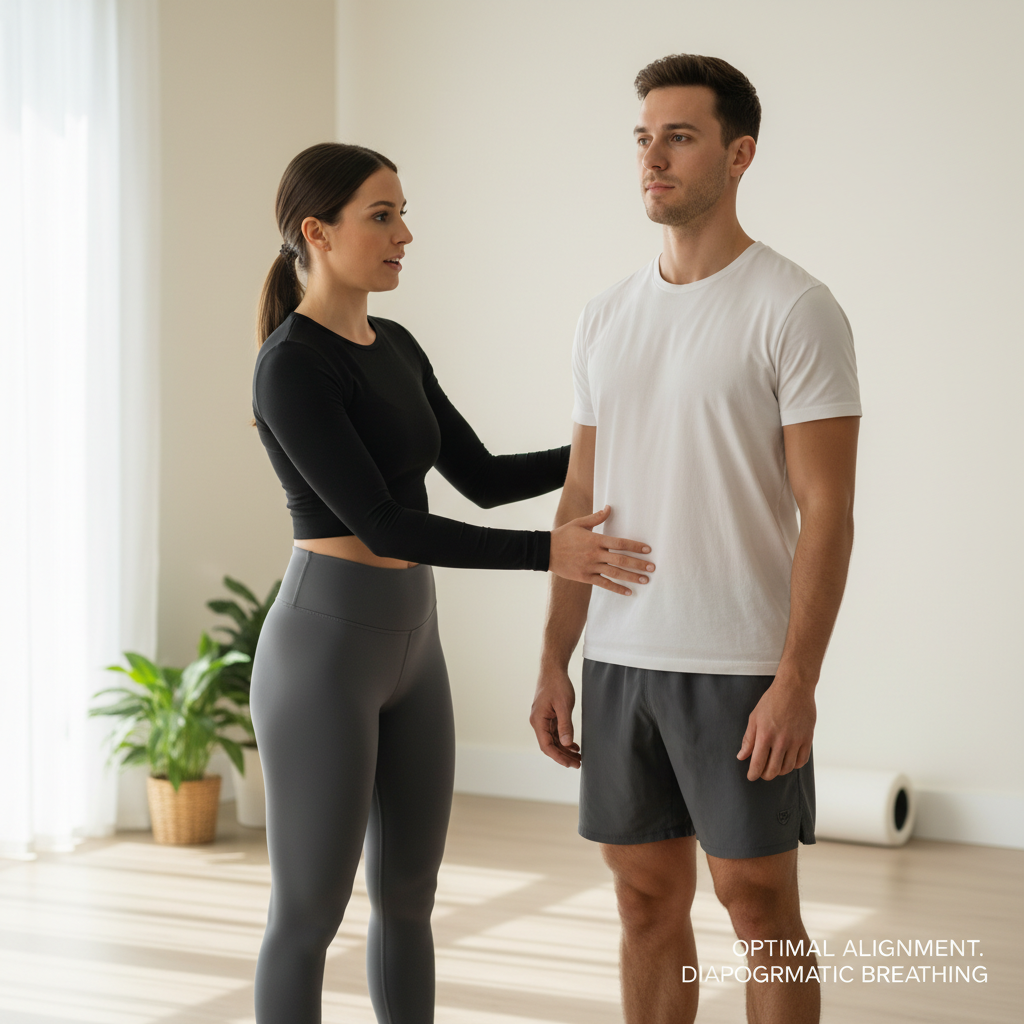
- Exhale fully, feel ribs drop slightly, then inhale through your nose into your sides and back.
- Lightly brace like you’re about to cough, then keep breathing quietly.
If you can’t breathe while bracing, your training should start with low-intensity anti-extension and breathing control.
2) Front plank quality (10–20 seconds)
- Elbows under shoulders, squeeze glutes lightly, long neck.
- Stop when you feel low-back tension or ribs flaring.
If you fail by arching, focus on anti-extension and glute support before adding harder variations.
3) Side plank or carry tolerance (10–30 seconds)
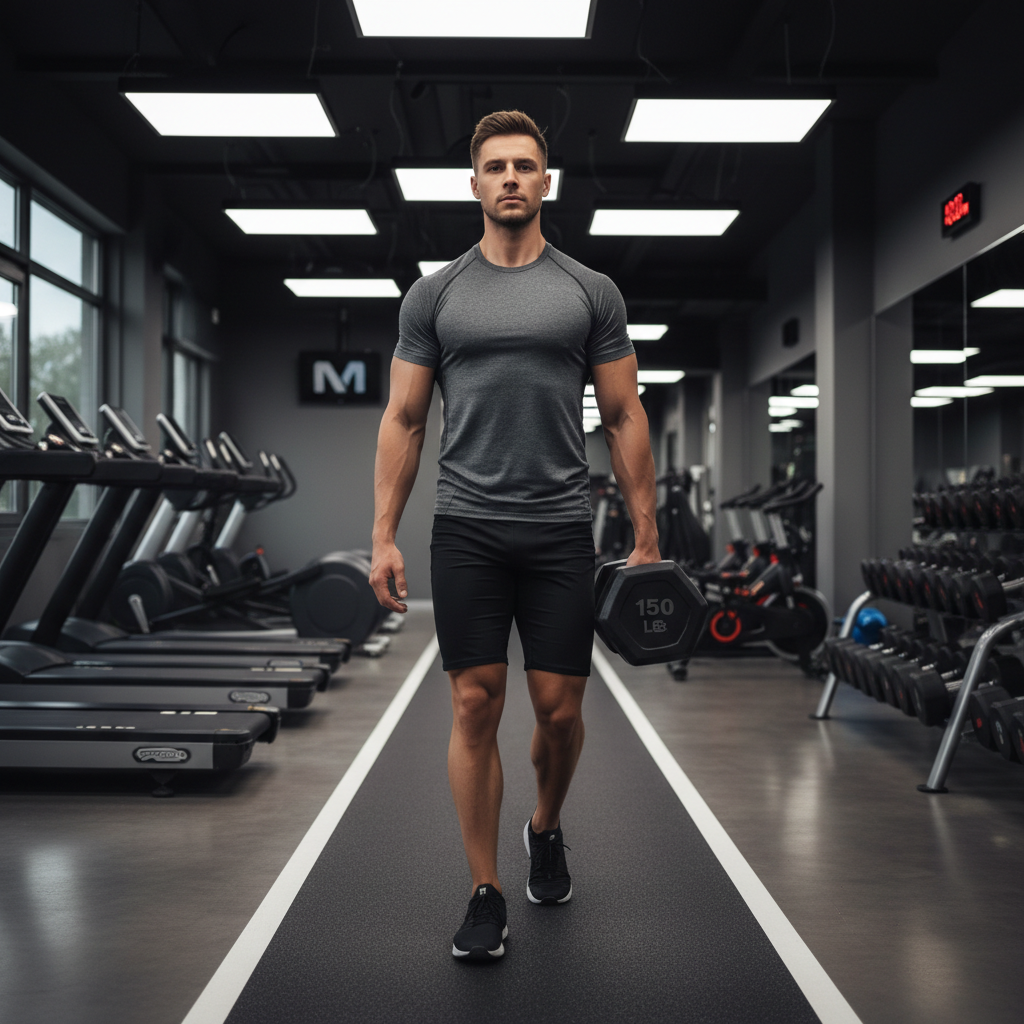
- Side plank with hips stacked, or hold one heavy dumbbell and walk slowly.
If you collapse sideways, add side-bending resistance work (side planks, suitcase carries).
4) Rotation control (dead bug or Pallof press)
- Dead bug: keep low back heavy and ribs down while moving opposite arm/leg.
- Pallof press: resist a band pulling you into rotation.
If the torso twists, you need anti-rotation strength more than more sit-ups.
The exercises that build ab and core strength (by pattern)
Instead of chasing “the best” move, build a menu across patterns. Rotate 1–2 exercises from each category across the week.
- Anti-extension: dead bug, plank, body saw, ab wheel (advanced)
- Anti-rotation: Pallof press, cable/band holds, bird dog rows
- Anti-lateral flexion: side plank, suitcase carry, offset rack carry
- Hip-to-rib control: reverse crunch with posterior pelvic tilt, hollow hold progressions
- Integrated strength: front squat, deadlift variations, overhead press, farmer carries
According to the National Strength and Conditioning Association (NSCA), core training works best when it supports sport and lifting demands through stability, force transfer, and progressive overload, not only high-rep isolation.
A practical 4-week plan (2–3 sessions/week) with progression
This setup fits most schedules and pairs well with regular lifting or cardio. Keep the reps clean, stop 1–2 reps before form breaks, and progress one variable at a time.
Core session template (15–25 minutes)
- 1 anti-extension exercise
- 1 anti-rotation exercise
- 1 carry or side-bending resistance exercise
- Optional: 1 “finisher” that feels athletic (sled, med ball, controlled leg raise)
Progression table
| Week | Goal | How it should feel | Progression rule |
|---|---|---|---|
| 1 | Learn positions | Stable, no back pinch | Add 1 set when you own the form |
| 2 | Build volume | Hard work, controlled breathing | Add 5–10 seconds per set or 2–3 reps |
| 3 | Add load | Heavier brace, same alignment | Increase resistance 5–10% where possible |
| 4 | Make it more “real” | Stable under movement | Harder variation (longer lever, unilateral) |
Example session (equipment-light)
- Dead bug: 3 x 6–10/side (slow exhale on the reach)
- Pallof press hold: 3 x 15–30 seconds/side
- Suitcase carry: 4 x 20–40 yards/side
- Side plank (optional): 2 x 10–25 seconds/side
If you already lift, plug this in after your main workout 2–3 times per week. If you do it before lifting, keep it low-fatigue so your big lifts stay sharp.
Technique cues that usually make core training “click”
Small form changes often create a big jump in ab core strength because you finally put the tension in the right place.
- Exhale to set your ribs, then inhale into your sides and back, not just your chest.
- Brace like you expect contact, firm but not a max breath-hold for every rep.
- Glutes on, not clenched, especially in planks and carries.
- Move slow when learning, speed hides compensation.
- Stop at first form leak, not at the point of total failure.
According to the American College of Sports Medicine (ACSM), proper technique and gradual progression matter for reducing injury risk during strength training, especially when increasing load or complexity.
Common mistakes (the ones that waste the most time)
- Chasing soreness and ignoring quality. You can get sore from junk reps.
- Doing advanced moves too soon like long lever leg raises or ab wheel with an arched back.
- Training core only with flexion and never practicing rotation control or carries.
- Holding your breath randomly until your neck and low back take over.
- Confusing “visible abs” with strength. Leanness, genetics, and lighting play a role.
If you’re unsure whether an exercise is helping, ask one question: does your trunk feel more stable in the lifts or activities you care about over the next 3–6 weeks? That’s the signal that matters.
When to get professional help
Some situations deserve more than internet programming. Consider a physical therapist, sports medicine clinician, or experienced coach if you notice any of the following.
- Pain that radiates down a leg, numbness, or weakness
- Persistent low-back pain during basic bracing drills
- Postpartum symptoms like doming/coning at the midline, pelvic heaviness, or leaking
- A known hernia, recent abdominal surgery, or uncontrolled high blood pressure
It’s not about being “fragile,” it’s about matching the plan to your body and current constraints.
Key takeaways and a simple next step
Real strength comes from training the core to resist motion, coordinate breathing with bracing, and progress load or leverage without losing alignment. If you only remember one thing, remember this: quality reps beat high reps when the goal is usable strength.
Pick three moves today, one anti-extension, one anti-rotation, one carry, run them twice this week, and track whether your form stays cleaner at the same effort. That feedback loop builds momentum fast.
FAQ
How often should I train ab core strength?
For most people, 2–3 focused sessions per week works well, especially if you already lift. Daily light work can be fine, but heavy or high-fatigue core training every day often backfires.
Are planks enough to build a strong core?
Planks help, but they’re one pattern. Many people need carries and anti-rotation work to feel “solid” during real movement, plus progression beyond longer holds.
What’s better: weighted ab exercises or high reps?
Usually a mix, but if you want strength, you’ll eventually need more challenge through load, leverage, or stability demands. High reps can build endurance, just don’t let speed and form collapse.
Why do my hip flexors take over during ab work?
Often the pelvis tips forward and the ribcage flares, so the abs lose leverage and the hip flexors dominate. Scaling the movement, shortening the lever, and adding an exhale cue tends to help.
Can I train core if I have back pain?
Sometimes yes, but it depends on the cause and irritability. If basic drills increase symptoms or pain travels, it’s smart to consult a qualified clinician before pushing intensity.
Do I need equipment to improve ab core strength?
No. You can go far with dead bugs, planks, and side planks. A band and one dumbbell or kettlebell expands options a lot, especially for anti-rotation and carries.
How long until I notice a difference?
Many people feel better control within a few weeks, especially in lifts and posture, assuming consistency and progression. Visible changes depend heavily on nutrition and overall training.
If you’re trying to improve ab core strength and want a more plug-and-play routine, it often helps to have a short plan tailored to your equipment, schedule, and any limitations, so you stop guessing and start progressing week to week.