
how to adjust bike shifting cables is usually the fix when your bike hesitates to shift, skips under load, or makes that annoying click-click sound that never quite goes away.
The good news, cable adjustment is one of the few drivetrain jobs that feels “mysterious” until you do it once, then it becomes a 10-minute tune-up you can repeat anytime your shifting drifts.
This guide focuses on real-world symptoms, the fastest checks, and a practical adjustment flow for both rear and front shifting. I’ll also call out when the issue isn’t cable tension at all, because that’s where people waste time.
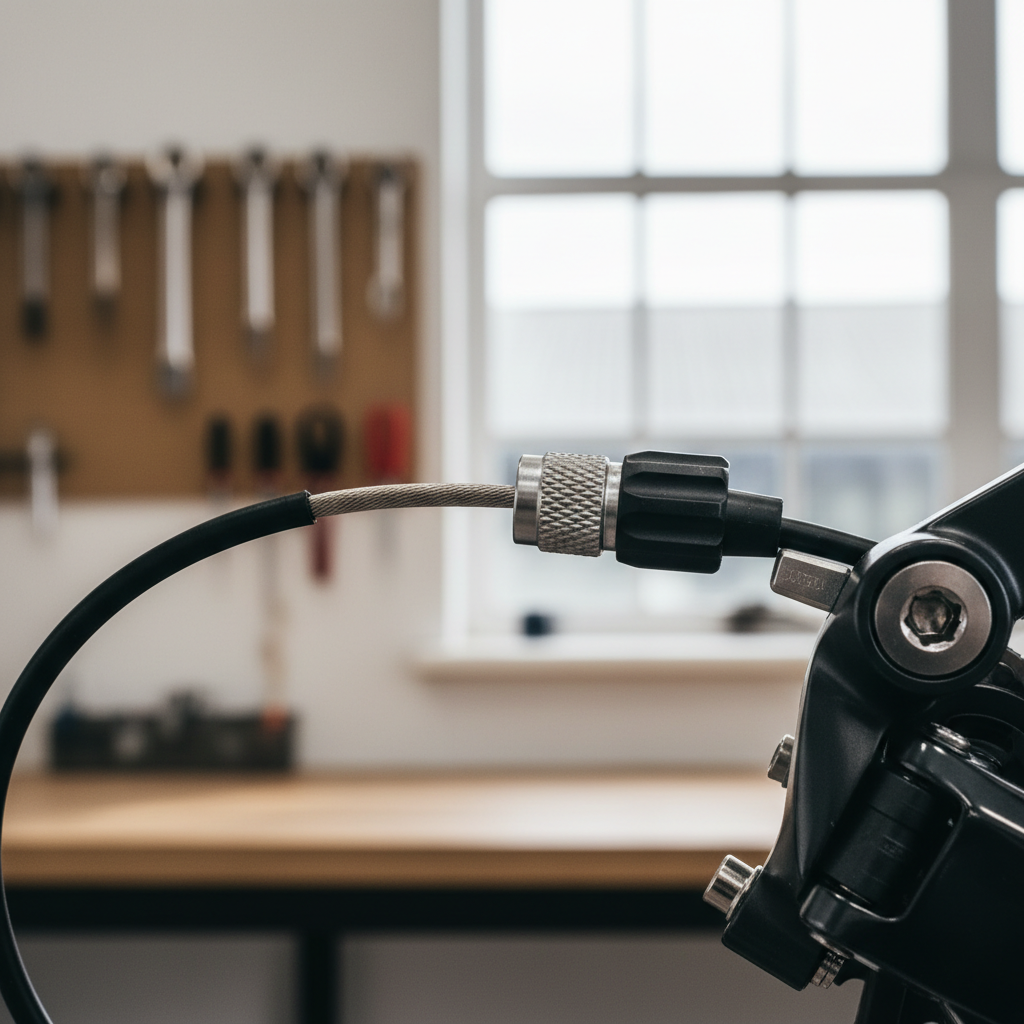
What “off” shifting usually means (and why it happens)
Most shifting problems come from cable tension drifting, housing contamination, or limit screws indexing confusion. The tricky part is they can feel similar from the saddle.
- Hesitation to shift to an easier gear (bigger cog in back): often not enough cable tension on the rear derailleur.
- Hesitation to shift to a harder gear (smaller cog): often too much tension, or sticky housing that won’t release tension cleanly.
- Skipping under load: can be indexing, but also worn chain/cassette, freehub issues, or a bent derailleur hanger.
- Front shifting rub: can be trim/tension, but chainline and cage alignment matter more than people expect.
According to Park Tool..., cable stretch is less about the cable itself elongating and more about housing seating and ferrules settling in after installation, which is why shifting can drift after a new cable job.
Quick self-check: are you adjusting the right thing?
Before you touch anything, do a 60-second diagnosis. It saves you from “fixing” tension when the real problem is elsewhere.
- Bike shifts fine on the stand but fails on the road: look for worn drivetrain parts, a bent hanger, or a clutch derailleur that needs service.
- One gear is consistently noisy: could be indexing, but also a slightly bent tooth, dirty pulley wheels, or chain wear.
- Shifts get worse in rain: often contaminated housing or frayed cable strands.
- Shifter feels “mushy”: sticky cable/housing, or the cable is fraying near the shifter.
If you see broken strands, cracked housing, or a kinked loop near the handlebar, stop and consider replacing cables/housing instead of endlessly adjusting.

Tools and setup (keep it simple)
You can adjust indexing with almost nothing, but having the right basics makes the result more repeatable.
- Clean rag and a little degreaser (optional but helpful)
- Bike stand (nice to have, not required)
- 4/5mm hex key (for cable pinch bolt on many derailleurs)
- Phillips or JIS screwdriver (for limit screws on many models)
Safety note: If you test-shift while pedaling on a stand, keep fingers, hair, and loose clothing away from the chain and cassette. If anything looks damaged, a shop check is safer than forcing it.
Rear shifting: how to adjust indexing with the barrel adjuster
This is the adjustment most people mean when they search how to adjust bike shifting cables. You’re tuning cable tension so each click lines up with a cog.
Step 1: Start from a known baseline
Shift to the smallest rear cog (hardest gear) and the small chainring or middle (to reduce cross-chaining noise while you test).
Find your barrel adjuster, typically on the rear derailleur or at the shifter. Turn it clockwise 1–2 turns to reduce tension, so you know you’re not starting “over-tight.”
Step 2: Add tension until the next shift is clean
Pedal lightly and click once to shift toward the second-smallest cog.
- If the chain hesitates to climb to the bigger cog, turn the barrel adjuster counterclockwise 1/4 turn, try again.
- If it jumps too far or sounds like it wants to climb without a click, turn the barrel adjuster clockwise 1/4 turn.
Keep changes small. Quarter turns feel slow, but they prevent you from chasing the problem back and forth.
Step 3: Confirm across the cassette
Shift one click at a time up and down the cassette. You’re looking for consistent behavior: each click equals one gear, no chatter between cogs.
- Noise only in the middle gears often points to a slightly bent hanger or cable friction, not “more tension.”
- Noise at the extremes can be limit screws, not indexing.
Front shifting: cable tension and trim without overcorrecting
Front derailleurs vary a lot by brand and generation, so go in with modest expectations: you’re aiming for reliable shifts, not silence in every cross-chain combo.
What to adjust first
- Cage height and angle: if the derailleur cage sits too high or angled, tension tweaks won’t fix sluggish shifts.
- Limit screws: they set travel boundaries. If limits are wrong, adding tension just creates rub.
Once alignment looks reasonable, use the barrel adjuster (at the shifter on many bikes) to fine-tune.
Practical tension cues
- Won’t shift up to the big ring: often needs a bit more tension, or the high limit is too tight.
- Rubs in the big ring even with trim: often too much tension, or the cage angle is off.
On modern shifters with trim positions, use trim as intended. Trying to “tune out” all rub by tension alone usually makes shifting worse.
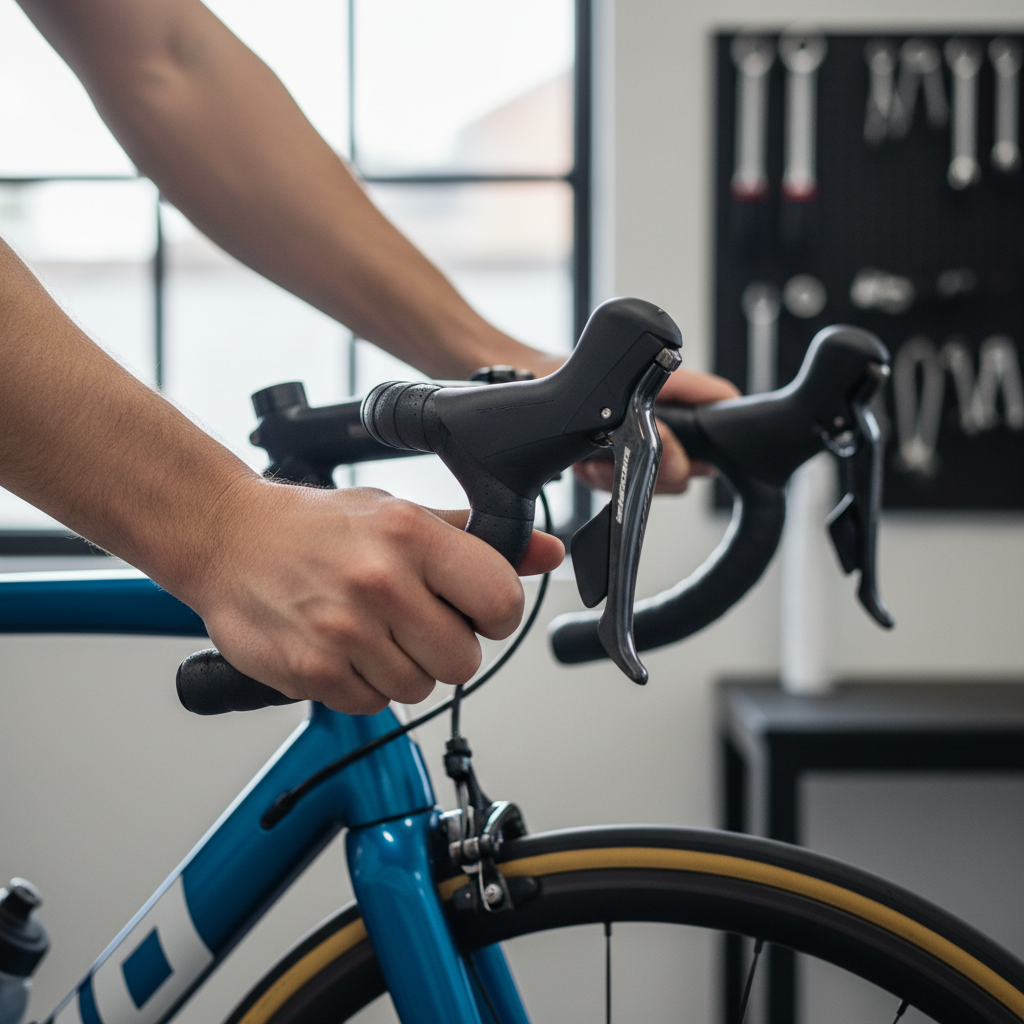
Symptom-to-fix table (so you don’t guess)
If you’re in a hurry, use this as a quick map. It won’t cover every edge case, but it catches the common ones.
| What you feel/hear | Most likely cause | What to try |
|---|---|---|
| Rear won’t go to bigger cogs easily | Not enough cable tension | Barrel adjuster CCW in 1/4 turns |
| Rear reluctant to go to smaller cogs | Too much tension or sticky housing | Barrel adjuster CW, check cable drag |
| One click shifts two gears | Way too much tension or misrouted cable | Reduce tension, inspect routing/housing |
| Chain rubs at cassette ends only | Limit screws or hanger alignment | Check limits, consider hanger check |
| Front won’t shift to big ring | Low tension or high-limit too tight | Add small tension, verify high limit |
Real-world issues that mimic “bad cable adjustment”
A lot of riders keep turning the barrel adjuster because it’s the only knob they can see. But these problems commonly sit underneath.
- Dirty or corroded cable/housing: friction makes shifts slow in one direction, especially downshifts.
- Bent derailleur hanger: indexing may look close, but it never becomes consistent across all cogs.
- Worn chain/cassette: skipping under power, especially on favorite gears.
- B-limit/tension pulley gap (rear derailleur): on wide-range cassettes, poor gap can feel like bad indexing.
According to Shimano..., correct adjustment depends on the derailleur sitting square to the cassette and having the specified pulley-to-cog clearance, so if your setup is out of alignment, cable tweaks only mask the issue.
Key takeaways and a simple “do this next” flow
If you want the fastest path, use this order. It’s boring, but it works.
- Clean and inspect: no frays, no crushed housing, derailleur moves freely.
- Rear indexing: small cog baseline, then 1/4-turn barrel changes while testing one-click shifts.
- Front shifting: confirm cage alignment and limits, then tiny tension tweaks.
- Road test: shifting under light and moderate load, because stands can lie.
If you’re still stuck after two rounds, stop turning knobs and look for friction, hanger alignment, or drivetrain wear. That’s usually where the “mystery” lives.
When it’s worth getting professional help
If your bike drops the chain, shifts into the spokes, or makes grinding noises that change with pedaling force, consider a shop inspection. A bent hanger, damaged derailleur, or incorrect limit setting can cause expensive damage fast.
Also, if you’re working with internal routing, electronic shifting with error codes, or a crash-damaged drivetrain, a professional mechanic can diagnose it quicker and more safely than trial-and-error.
Conclusion: crisp shifts come from small, calm adjustments
Once you understand what the barrel adjuster really does, how to adjust bike shifting cables becomes less like black magic and more like tuning a dial. Small turns, test often, and don’t ignore friction or alignment when the pattern doesn’t make sense.
If you want an easy next step, pick one symptom, do two or three 1/4-turn changes, then stop and reassess. You’ll learn your bike faster that way, and your shifting will usually come back to clean, predictable clicks.
FAQ
- How do I know if my bike needs cable adjustment or a new cable?
If the shifter feels sticky, the cable looks frayed, or shifting changes dramatically with weather, replacement is often more effective than adjustment. - Which way do I turn the barrel adjuster to tighten cable tension?
In most cases, turning it counterclockwise adds tension. If your adjuster is in an unusual location, confirm by watching the cable housing lengthen slightly. - Why does my shifting feel fine in the bike stand but not while riding?
Load exposes worn teeth, chain wear, and hanger misalignment. A stand test is useful, but it doesn’t replicate pedaling force. - Can I fix skipping gears with cable tension?
Sometimes, but skipping under power often involves chain/cassette wear. If it only skips on a couple cogs you use a lot, inspect wear before chasing tension. - Do I need to adjust limit screws when indexing?
Usually no. Limits set the derailleur’s maximum travel; indexing tunes alignment between clicks. Touch limits only if the chain wants to go past the largest or smallest cog. - How often should I adjust bike shift cables?
Many riders do small tweaks a few times a season, especially after new cables, housing, or big temperature swings. If you need constant adjustment, friction or wear is likely. - Does adjusting front shifting cables work the same as rear?
The idea is similar, but front shifting depends more on derailleur alignment and trim positions. Over-tightening can create rub that feels worse than the original problem.
Looking for a more hands-off option? If you’re already doing repeated adjustments and the feel never stays consistent, it may be time to replace cables and housing or have a shop check hanger alignment, that combo often restores crisp shifting faster than more tweaking.