
The best cycling jersey for moisture wicking is the one that pulls sweat off your skin fast, spreads it across the fabric, and dries before you start feeling clammy, all without riding up or trapping heat.
If that sounds basic, it is, but the frustrating part is how many jerseys “feel” breathable in the store and then turn into a wet towel 40 minutes into a summer ride, especially on climbs, in humidity, or under a pack.
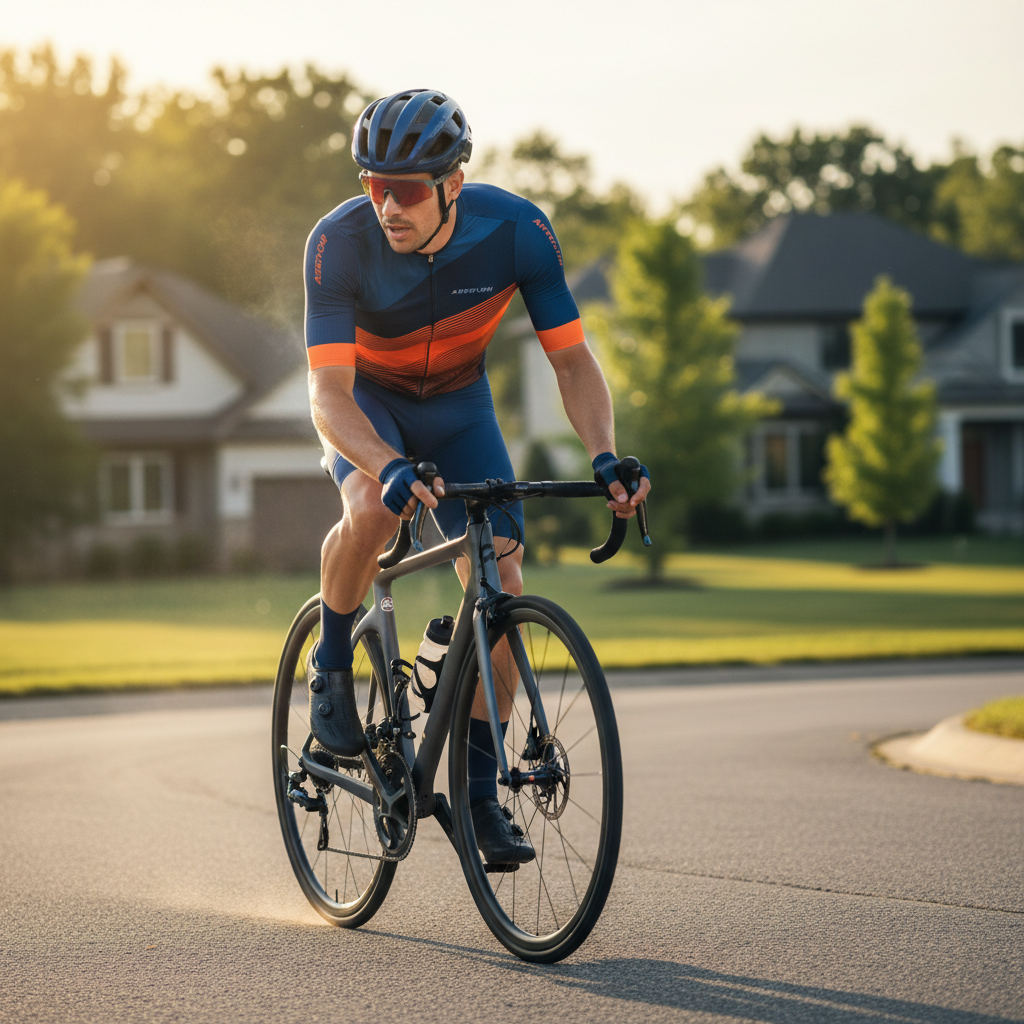
This guide focuses on what actually drives moisture control, how to tell marketing from performance, and how to choose a jersey that matches your typical rides, from short commutes to long weekend miles.
What “moisture wicking” really means on the bike
Wicking is fabric behavior, not a magic coating. A good jersey moves sweat from your skin to the outer surface, so airflow can evaporate it. When that works, you feel less sticky and temperature swings feel more manageable.
According to NOAA, humidity reduces evaporation, which is why a jersey that feels fine in dry heat can struggle in muggy conditions. So the same rider can need different features for Phoenix versus Florida.
On a bike, moisture management is also about ventilation and fit. A jersey can wick well, but if it’s too tight in the chest or too loose at the waist, airflow patterns change and sweat can pool.
Key features to look for (and what to ignore)
When people ask for the best moisture wicking option, they usually mean “I want to feel dry,” but dryness comes from a few separate design choices working together.
Fabric: polyester blends, mesh mapping, and why cotton is a trap
- Polyester or polyamide (nylon) performance knits: common for a reason, they move moisture well and dry quickly.
- Targeted mesh panels: underarms, side panels, and mid-back often matter more than an all-mesh front.
- Elastane/spandex: helps fit, but too much can reduce air permeability in some knits.
- Avoid cotton: it absorbs and holds water, then chills you on descents.
Construction details that change comfort on real rides
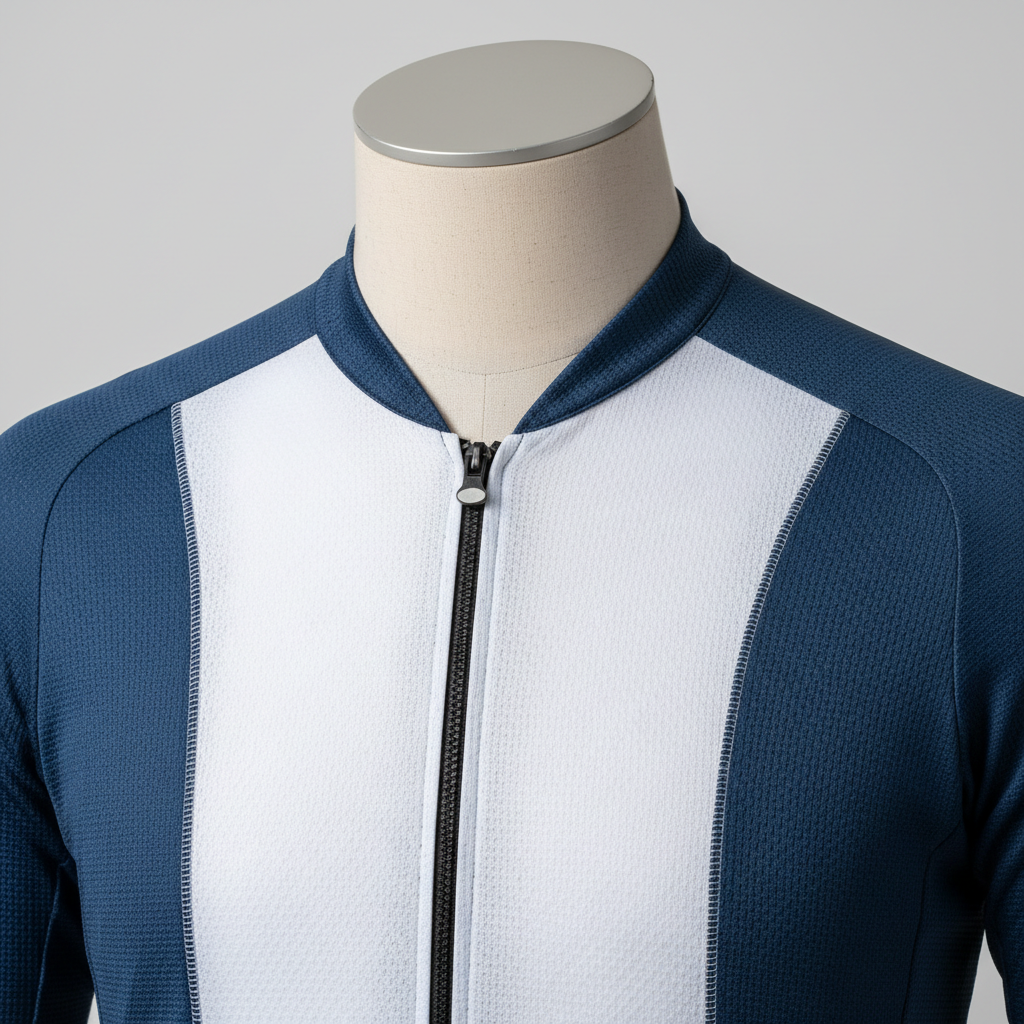
- Full-length zipper: gives you a “vent switch” on climbs.
- Collar shape: low-profile collars tend to feel cooler; tall collars can trap heat for some riders.
- Gripper and hem stability: riding-up creates bunching and blocks airflow across your core.
- Seams and paneling: fewer bulky seams can reduce hot spots where sweat collects.
Claims to treat carefully
Words like “cooling,” “ice,” and “temperature control” can be real, but they’re often vague. I treat them as a bonus, not the reason to buy. Look for specifics: knit type, mesh placement, and intended temperature range.
Quick self-check: what kind of sweater are you?
Before you shop, identify your sweat pattern and ride conditions. Two riders can wear the same jersey and have totally different experiences.
- You get soaked on the chest and stomach: prioritize front-panel breathability and a full zip you actually use.
- Your back gets drenched: look for strong back ventilation and consider how pockets sit when loaded.
- You ride in high humidity: favor lighter fabrics and bigger mesh zones; expect “dry” to mean “less clammy,” not bone-dry.
- You overheat on climbs, chill on descents: choose a jersey that vents easily and pair it with a packable vest.
- You wear a hydration pack: pick abrasion-resistant fabric on the shoulders and a back panel that still breathes under pressure.
If you’re unsure, think about the moment you feel most uncomfortable. That moment usually reveals whether your issue is evaporation, airflow, or fabric saturation.
Comparison table: how common jersey types handle sweat
Not every “cycling jersey” aims at maximum wicking. Some are built for aero efficiency, some for pockets and durability, some for casual comfort.
| Jersey type | Moisture wicking | Best for | Trade-offs |
|---|---|---|---|
| Lightweight mesh summer jersey | High | Hot weather, hard efforts | Less sun protection, can feel see-through |
| All-round “club fit” jersey | Medium-High | Most riders, mixed temps | Not as airy at peak heat |
| Aero race jersey | Medium | Fast group rides, racing | Tighter fit can feel warmer, fabric varies |
| Gravel/adventure jersey | Medium | Long rides, pockets, durability | Often heavier, slower drying |
| Merino blend jersey | Medium | Wide temp range, odor control | Dries slower than many synthetics |
How to choose the best cycling jersey for moisture wicking (by scenario)
Here’s the practical part: match the jersey to how you ride, not how the product page wants you to ride.
Hot, sunny road rides
- Choose lightweight knit + large mesh zones, especially underarms and upper back.
- Pick a full-length zipper and use it early, before you feel cooked.
- Consider lighter colors for sun exposure, but don’t sacrifice fabric quality for color alone.
Humid climates and sweat-heavy riders
- Favor jerseys that dry fast over those that feel “soft” in the hand, soft sometimes means thicker.
- Look for a fit that leaves a touch of air space at the torso while staying stable at the waist.
- If your back is the problem, keep pocket loads minimal so the fabric can breathe.
Long endurance rides
- Prioritize comfort and stability, a jersey that shifts around can feel wetter even if the fabric is good.
- Check pocket design, sagging pockets press wet fabric against skin.
- Consider a slightly heavier “all-round” jersey if your pace is steady and you want less flapping.
Commuting or casual riding
- Look for “relaxed fit” jerseys with genuine performance fabric, not fashion polyester.
- Odor control finishes can help, but washing habits still matter more.
Make almost any jersey feel drier: a simple 10-minute setup
Even the best cycling jersey for moisture wicking can disappoint if the rest of your kit works against it. These tweaks usually pay off fast.
- Start slightly cool: if you leave home already overheated, fabric has to “catch up” to a lot of sweat.
- Use a thin base layer in some conditions: a modern mesh base layer can improve capillary action, especially for heavy sweaters.
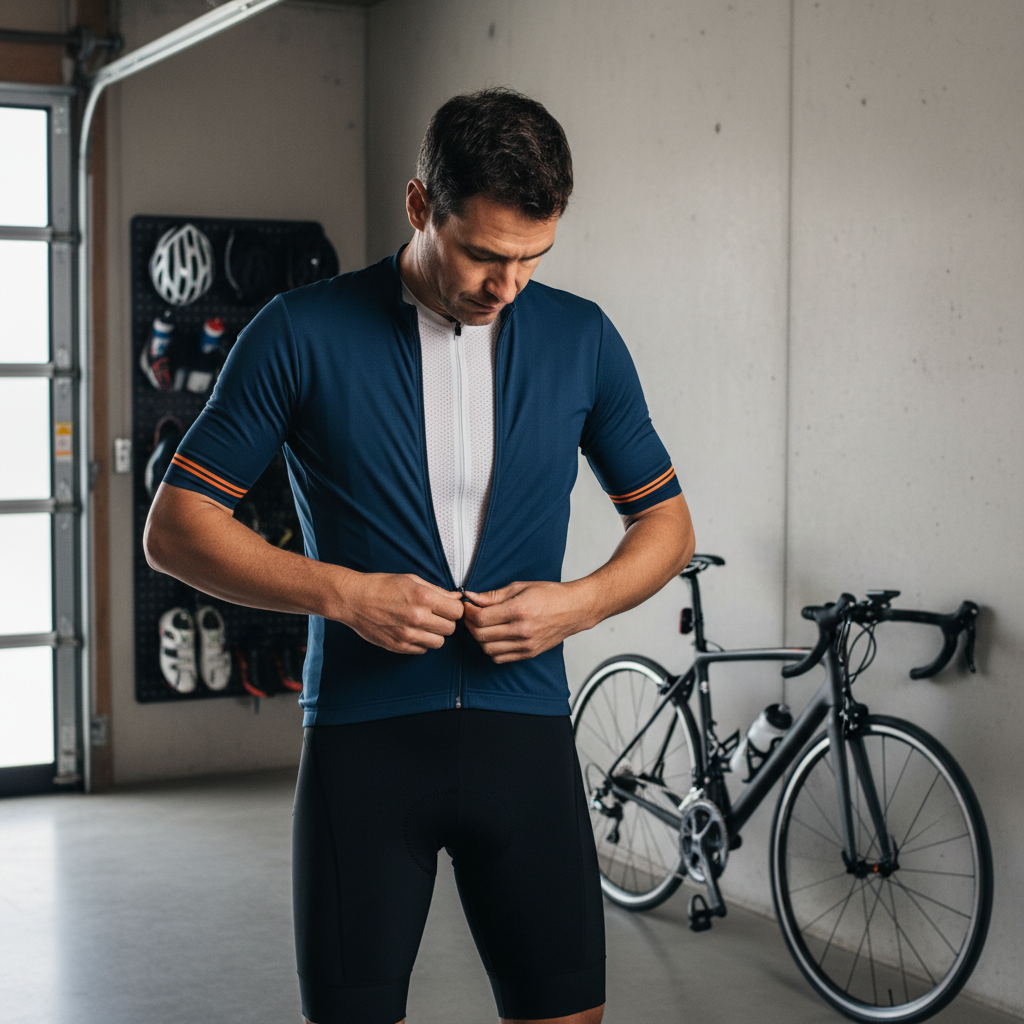
- Zip management: open the zip on climbs, close partway on descents to avoid chilling.
- Re-think sunscreen: thick lotions can reduce wicking where you apply them heavily; consider sport formulas and let them set before dressing.
One more thing people miss: if you wear a vest or windbreaker over a jersey in warm weather, you’re changing the evaporation equation. Sometimes the fix is as simple as swapping to a more breathable shell.
Common mistakes that sabotage moisture wicking
- Buying too tight: compression can feel “fast,” but it can also reduce airflow and increase that sticky feeling for some riders.
- Overloading pockets: a heavy phone, pump, and snacks can pull the back panel down and keep sweat pressed against you.
- Fabric softener: it can coat fibers and reduce moisture transport. Many apparel care labels recommend avoiding it.
- Expecting dryness in high humidity: in muggy air, your goal is usually “less saturated” and “less chafe,” not perfectly dry.
According to CDC guidance on heat stress, hydration and pacing matter when you exercise in heat. Clothing helps, but if you feel dizzy, unusually weak, or confused, it’s smart to stop and cool down, and consider seeking medical advice.
So what is the “best” moisture-wicking cycling jersey?
The best pick tends to be a summer-weight jersey with smart mesh placement, a full-length zipper, and a fit that stays put without sealing you in. If you mainly ride in humid conditions or you sweat heavily, lean toward lighter fabrics and better ventilation instead of thicker “premium feel” materials.
If you want one actionable next step, do this: list your top two ride conditions, hot and dry, hot and humid, long endurance, or mixed temps, then choose a jersey designed for that, not a generic “all-season” promise.
If you’re building a small kit, it’s often more practical to own two jerseys that cover your extremes, a very breathable summer option and a more all-round piece for shoulder seasons.
FAQ
What fabric is best for moisture wicking in a cycling jersey?
Most riders do well with polyester or nylon performance knits, often with elastane for fit. The exact knit and panel mapping usually matter more than the fiber name alone.
Is a mesh cycling jersey always cooler?
Often, but not always. Full mesh can feel cooler at speed, yet sun exposure and airflow changes on slow climbs can make it feel less comfortable for some people.
Do base layers help a moisture-wicking jersey work better?
They can, especially a thin mesh base layer that moves sweat away from skin and reduces cling. In very hot weather, some riders prefer no base layer, it depends on sweat rate and comfort.
How should a jersey fit for the best sweat management?
Snug enough that fabric stays in contact and doesn’t flap, but not so tight that it feels like plastic wrap. If the front zipper buckles or the hem rides up, sizing or cut may be off.
Why does my jersey smell even if it wicks well?
Wicking and odor are separate issues. Some synthetics hold bacteria odor more than others, and washing promptly, skipping fabric softener, and using sport detergents often helps.
Can I use my running shirt instead of a cycling jersey?
For short rides, sure, but cycling jerseys place seams and ventilation differently and include pockets. If your main issue is sweat pooling on the back, pockets and fit stability can make a noticeable difference.
When should I consider professional help for heat issues on rides?
If you repeatedly get symptoms that could indicate heat illness, such as fainting, chest pain, severe headache, or confusion, it’s wise to stop riding and consult a medical professional. Gear choices help, but they don’t replace health guidance.
If you’re trying to narrow down options and you can share your typical temperature range, humidity level, ride length, and whether you use a hydration pack, I can help you shortlist jersey features that fit your reality without overbuying.